

In the clinic I often hear people say that their face flushes hot several times a day, and that their cheeks and nose look especially red in photos. Most of them brush it off as "just my constitution," but recurring facial redness is quite often not simple flushing but a condition in its own right called rosacea. Today, before starting this series in earnest, I would like to take the time to unpack this unfamiliar name.
A frequently flushing face is more common than you might think
Even among people who appear in public, it is not hard to spot faces that flush red. It shows up regardless of occupation or age, from members of royal families to athletes and actors.


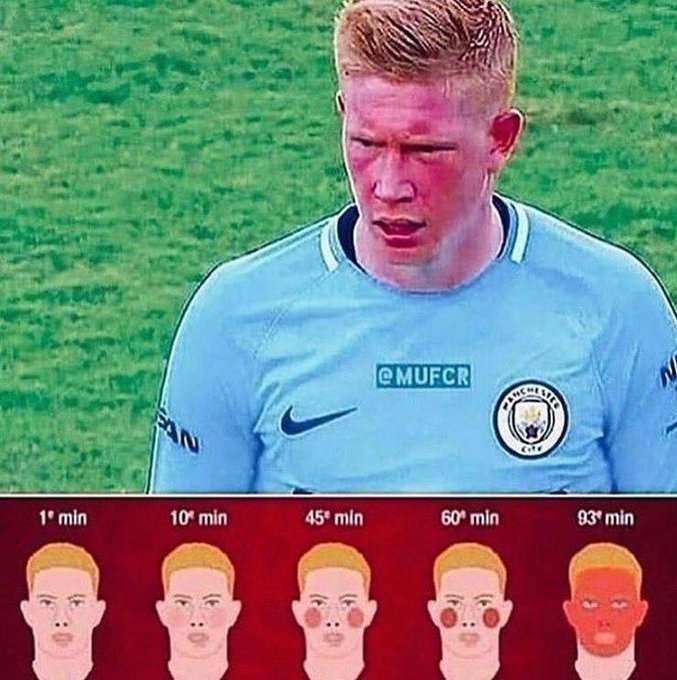
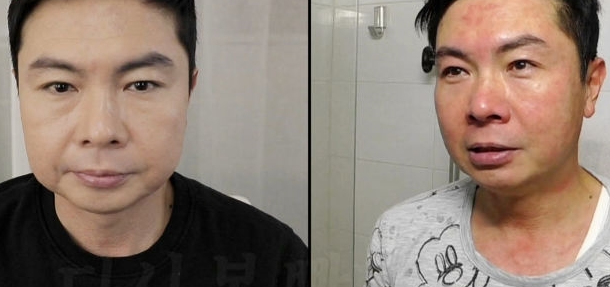
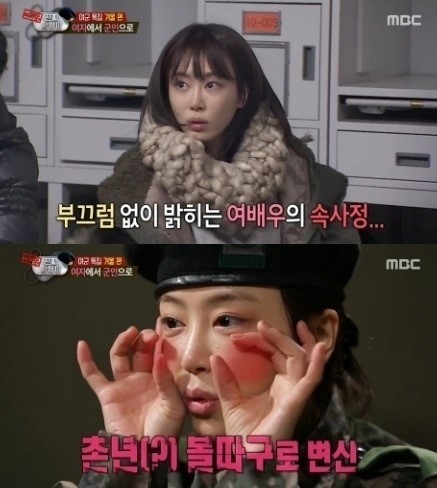
What is commonly observed in people whose faces redden easily like this is rosacea. When people hear the word for the first time, almost every one of them tilts their head in puzzlement.
Everyone is a little surprised by the name
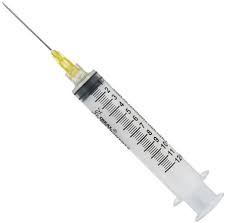
In Korean, the word for rosacea sounds the same as the words for an injection you get at a hospital and for drinking habits, so it is easy to think of those, but neither has anything to do with this condition.

Rosacea is a relatively common chronic skin condition seen in about 3 to 5% of the Korean population, and it is reported to be observed mainly in women in their 30s to 50s. Honestly, I find it hard to say clearly why it was given such a name. What is clear, though, is that this is not simply redness but a condition with a name of its own.
Why rosacea is hard to diagnose early
If you look up the literature, the definition of rosacea itself is fairly well established. However, it can feel rather dry to read if you are not a medical professional, so in the clinic I try to explain it in plainer terms.

The problem is that knowing the definition does not make the diagnosis any easier. Rosacea, a leading cause of facial flushing, is not easy to recognize in its early stage.

The biggest reason is that there is no decisive finding seen only in rosacea, that is, no characteristic marker that does not appear in other conditions (a pathognomonic sign). The absence of such a marker also means it is difficult to conclude right away that it is rosacea based on visible redness alone.
When it overlaps with other conditions on the face
Another reason rosacea is tricky is that its symptoms appear in such varied forms, and many of its findings overlap with those of other facial conditions.
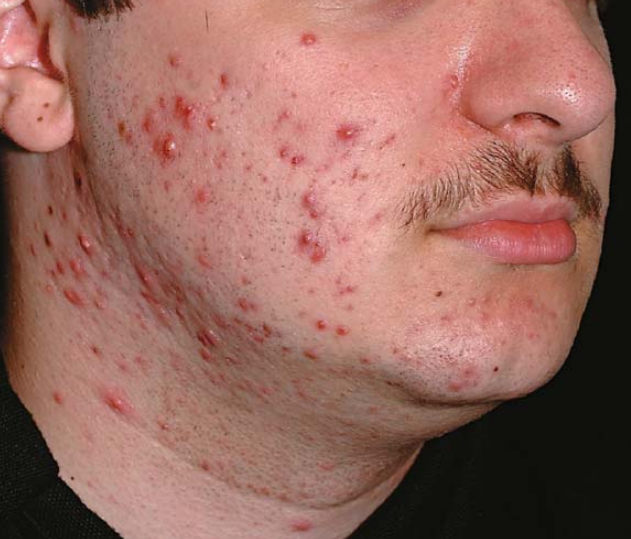
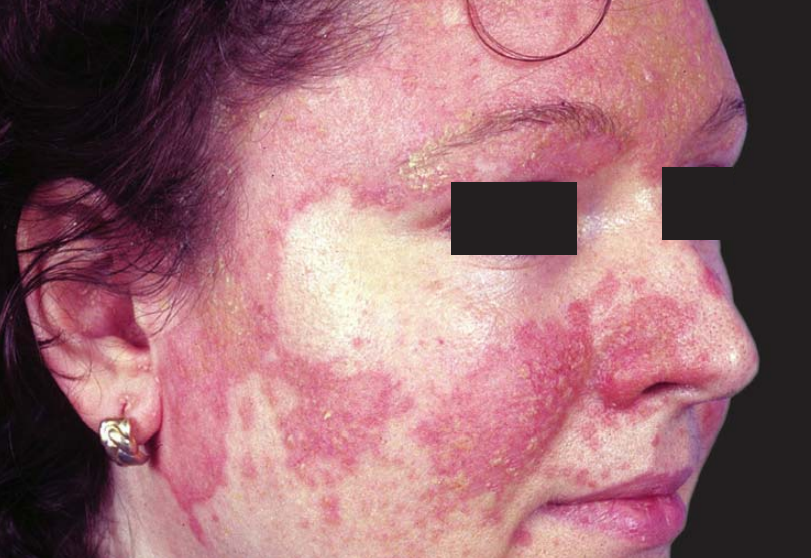
The representative conditions I weigh against it in the clinic are as follows.
| Overlapping condition | Findings that appear together |
|---|---|
| Seborrheic dermatitis | Redness and scaling in the central face |
| Contact dermatitis | Redness and stinging after irritation |
| Acne | Red papules and pustules |
Because the findings overlap in this way, the history matters just as much as the appearance in identifying what the redness really is. That is why I take the time to ask things like when it started, in what situations it flares, what you apply, and how you wash. Sometimes looking at cleansing habits alone changes the direction, so I have also written separately about why I ask about cleansing habits first in rosacea care and why I recommend cutting back on cosmetics rather than adding more.
People who come in worse after visiting several clinics
Perhaps because of this, people with rosacea sometimes come to me after going through several dermatology clinics, with their symptoms having actually grown worse along the way. When I carefully retrace their history during the consultation and tell them the diagnosis is rosacea, many are quite taken aback.
I would like to explain everything fully in the clinic, but for various reasons there are times when I have to send people home without doing so. That regret is the biggest reason I started this series.
What to look for when facial redness keeps recurring over a long time branches out in more directions than you might expect. You can read more about how I approach cases where pores or acne overlap with redness in Why I think of microneedle radiofrequency when acne, pores and redness overlap, and about the device used to address the red blood vessels themselves in the introduction to V-Beam Perfecta.
Why I am explaining this as a series
Rosacea has far too many facets to cover in a single post. So I plan to continue in six parts, as follows.
- Symptoms of rosacea
- Causes of rosacea
- Rosacea and food
- Rosacea and cosmetics
- Treatment of rosacea
- Rosacea and functional medicine
You may also read the parts already published in order. How it presents is covered in Rosacea Part 1: Symptoms, why it develops in Part 2: Causes, its relationship with diet in Part 3: Food, and the actual treatment direction in Part 5: Treatment.
I hope these posts help, even a little, those who have lived with facial redness for a long time to find their direction. If you are wondering whether your redness is simple flushing or rosacea, rather than judging it on your own, I recommend looking at your history together with me in the clinic first.
Consult via chatAuthor: Dr. Cho Mingyeol, Medical Director (board-certified dermatologist; Master Certification in Pigmentation, Acne, Rosacea and Hair from the Korean Dermatologists Association). You can find the full profile on the Medical Team page. First published 2023-02-20 / Last reviewed 2026-07-09
This article is intended for general information only; the appropriate treatment and outcomes may vary depending on each individual's condition.