

When people come to the clinic because their face is red, most of them first tell me, "I think my cosmetics don't agree with me," or "It's because my skin is sensitive." But as I go through, one by one, where the redness appears and which symptoms accompany it, I find myself facing the early signs of rosacea more often than you might expect. Today I would like to walk through how I distinguish and read those signs, focusing on the symptoms.
What I think of first when the center of the face turns red
Rosacea is divided into several types depending on the symptoms, but its most representative feature comes down to one thing.
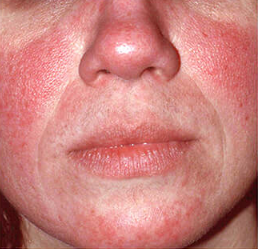
Temporary, unusually pronounced redness in the central part of the face, centered on the nose and cheeks.
If this redness is particularly strong even though you are not a menopausal woman, and it starts to bother you more as time goes on, rosacea is the first thing to suspect. Before dismissing it as simply "a constitution that flushes easily," it is worth first checking whether the redness sits in the very middle of your face.
What, combined with redness, raises the likelihood
Redness alone does not make a diagnosis. The likelihood rises noticeably when several other findings appear alongside it.
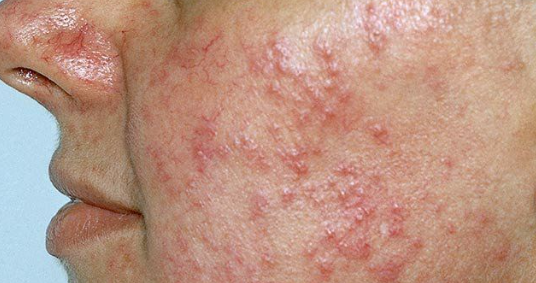
- Dilated capillaries (telangiectasia), where fine blood vessels show through the skin
- Bumpy papules you can feel with your fingers
- Small pustules sitting on top of the redness
When these findings appear together with redness in the center of the face, I consider rosacea more likely.
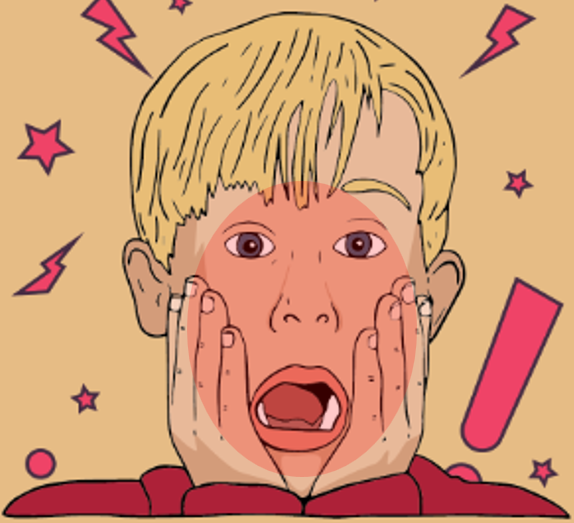
If a burning or stinging sensation comes along as well, the likelihood rises further still. In fact, many people describe this feeling as being "dry on the inside" or having "dehydrated oily skin," that is, oily skin lacking moisture. If it feels like "my skin is tight underneath no matter how much moisturizer I apply," it may be a sign of rosacea or sensitive skin rather than simple dryness. This point also connects with the cleansing habits I discussed in Why I recommend a mildly acidic cleanser instead of soap for sensitive skin.
What criteria are used for diagnosis
Rosacea actually has established diagnostic criteria.
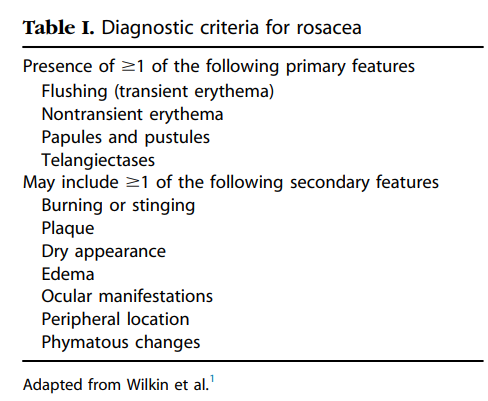
They are broadly divided into major and minor symptoms.
- Major symptoms: transient facial redness, persistent redness, papules and pustules, telangiectasia
- Minor symptoms: stinging sensation on the face, plaques, dry skin, facial swelling, ocular symptoms, lesions spreading to the periphery, rhinophyma
According to academic society materials, rosacea is diagnosed when at least one major symptom and at least one minor symptom are present together. The list may look simple, but picking out this combination on an actual face is not as straightforward as it seems.
You are also welcome to first ask, through Start a chat consultation now, which pattern the redness on your face is closer to.
How the symptoms change with each stage
Rosacea looks different depending on the stage of progression.
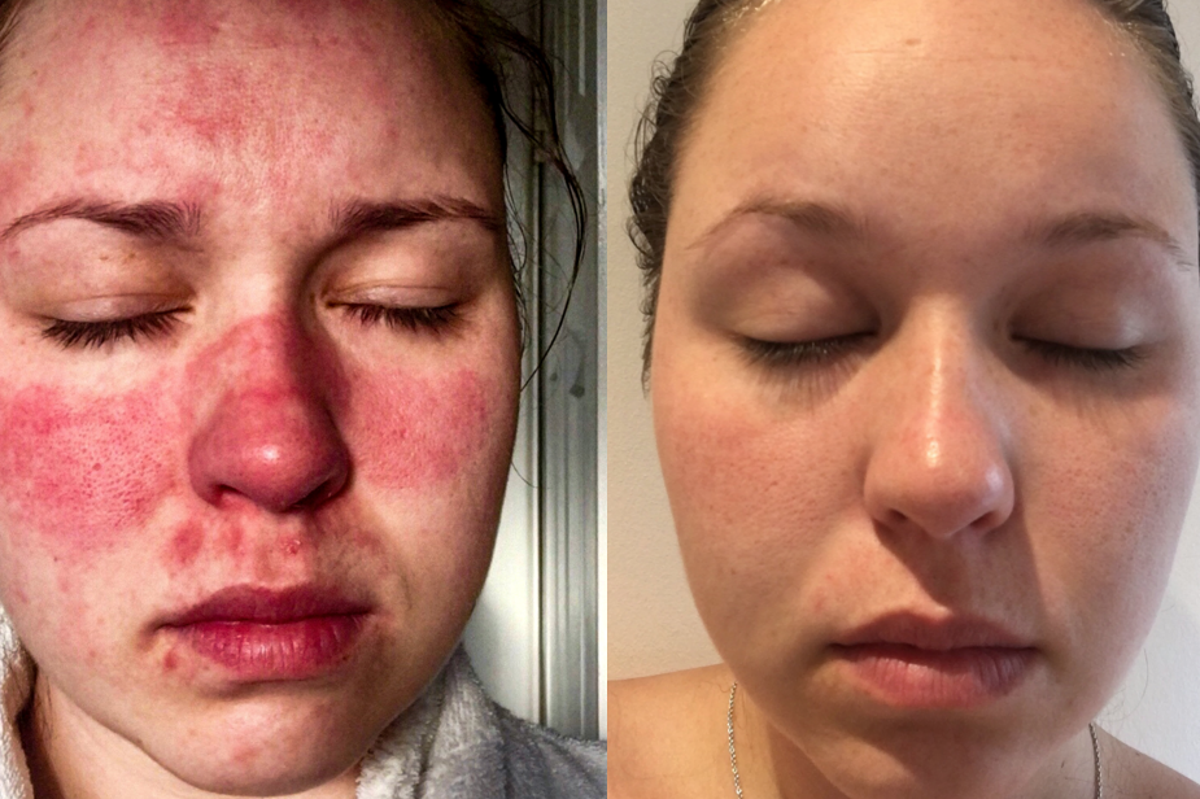
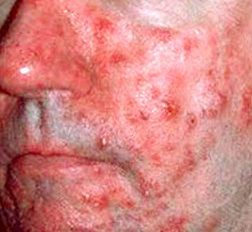
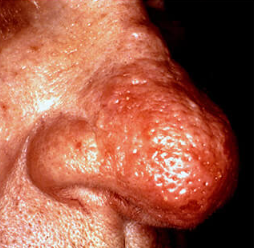
In the early stage, the skin turns red only briefly when stimulated and then settles down, but over time the redness tends to linger longer and longer, and visible fine blood vessels, papules, and pustules are gradually added. That is why setting a direction while it is still at the level of "occasional redness" helps the later course. I have also gone through similar concerns in detail in My face turns red from time to time.
The four textbook types, and the real clinic
Textbooks describe rosacea by dividing it into the four types below.
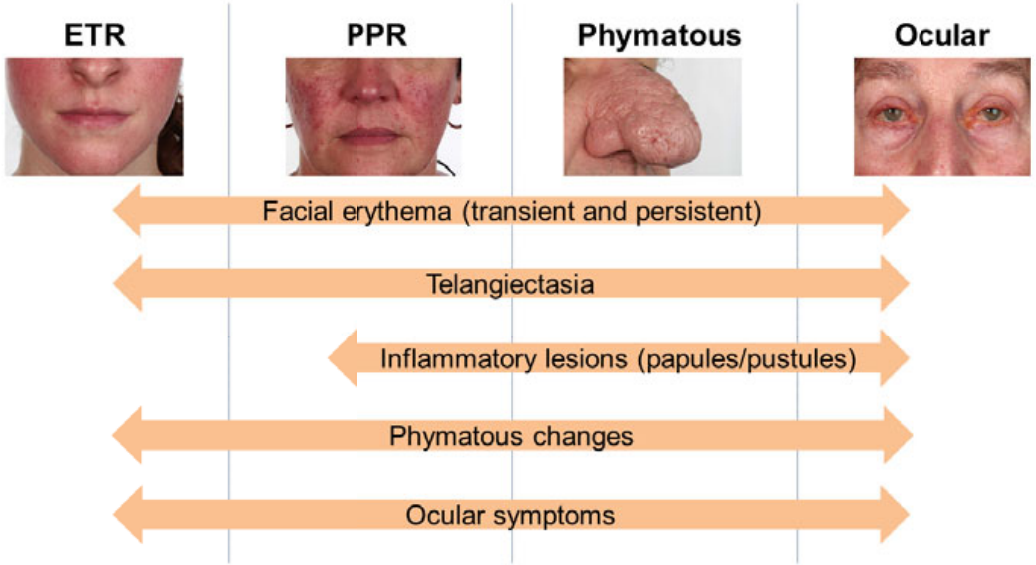
| Type | Abbreviation | Key findings |
|---|---|---|
| Erythematotelangiectatic | ETR | Persistent redness and visible fine blood vessels |
| Papulopustular | PPR | Bumpy papules and pustules |
| Phymatous | Phymatous | Thickening of the skin |
| Ocular | Ocular | Symptoms around the eyes and in the eyes |
In the actual clinic, however, things are rarely this clear-cut. In most cases the erythematotelangiectatic and papulopustular types are mixed, and several patterns tend to be observed together on one person's face.
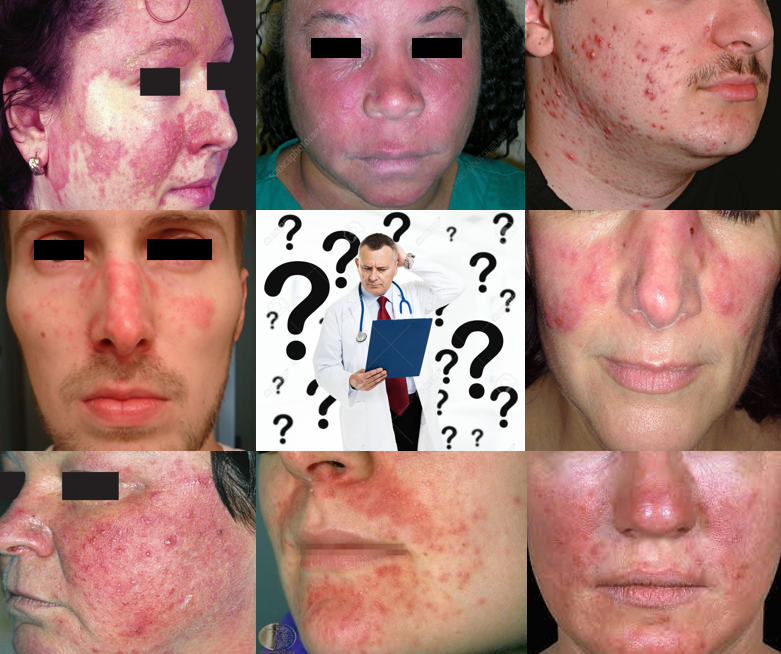
Moreover, rosacea can overlap with seborrheic dermatitis or contact dermatitis, and it is sometimes mistaken for an entirely different condition. So rather than hastily putting a name to it based on redness alone, it is necessary to read the accompanying findings together.
So what should you do first
Rosacea is a condition in which an accurate diagnosis from the early stage is important. If redness keeps recurring in the center of your face and comes with visible fine blood vessels or a burning sensation, I recommend having it checked at a nearby dermatology clinic before it gets worse. As for reducing the redness, after diagnosis we discuss several options together depending on your condition, including vascular lasers such as V-Beam Perfecta, and I continue this topic in Rosacea, the main cause of facial flushing, Part 5: Treatment.
I have explained in detail why causes and aggravating factors, such as UV exposure, irritating foods, and stress, matter in Rosacea, the main cause of facial flushing, Part 2: Causes, so if these symptoms sound familiar, reading it alongside this post will make things much easier to understand. When you cannot decide whether it is fine to leave redness and marks as they are, The criteria I check in the clinic to decide whether red marks can be left alone may also help.
Consult via chatReferences
- Wolff, Klaus, et al. "Fitzpatrick's Color Atlas, (Dermatology)." (2012): 976.
- Two, Aimee M., et al. "Rosacea: part I. Introduction, categorization, histology, pathogenesis, and risk factors." Journal of the American Academy of Dermatology 72.5 (2015): 749-758.
- Tan, Jerry, et al. "Updating the diagnosis, classification and assessment of rosacea: recommendations from the global ROSacea COnsensus (ROSCO) panel." British Journal of Dermatology 176.2 (2017): 431-438.
Author: Dr. Cho Mingyeol, Medical Director (board-certified dermatologist; Master Certification in Pigmentation, Acne, Rosacea and Hair from the Korean Dermatologists Association). You can find the full profile on the Medical Team page. First published 2023-02-25 / Last reviewed 2026-07-09
This article is intended for general information only; the appropriate treatment and outcomes may vary depending on each individual's condition.