

Acne breaks out, the pores around it stretch, and a faint redness even lingers on the cheeks. The skin concerns I meet in the clinic often arrive not one at a time but several overlapping like this. For such people, one of the options I bring up relatively often is microneedle radiofrequency, a treatment commonly known by the name Potenza. Today I would like to explain, focusing on the principles, how this one device can be involved in three different problems at the same time.
One needle working in two ways
Microneedle radiofrequency works by delivering radiofrequency energy deep into the skin through fine needles. It may look simple from the outside, but inside the skin, two kinds of stimulation occur simultaneously.
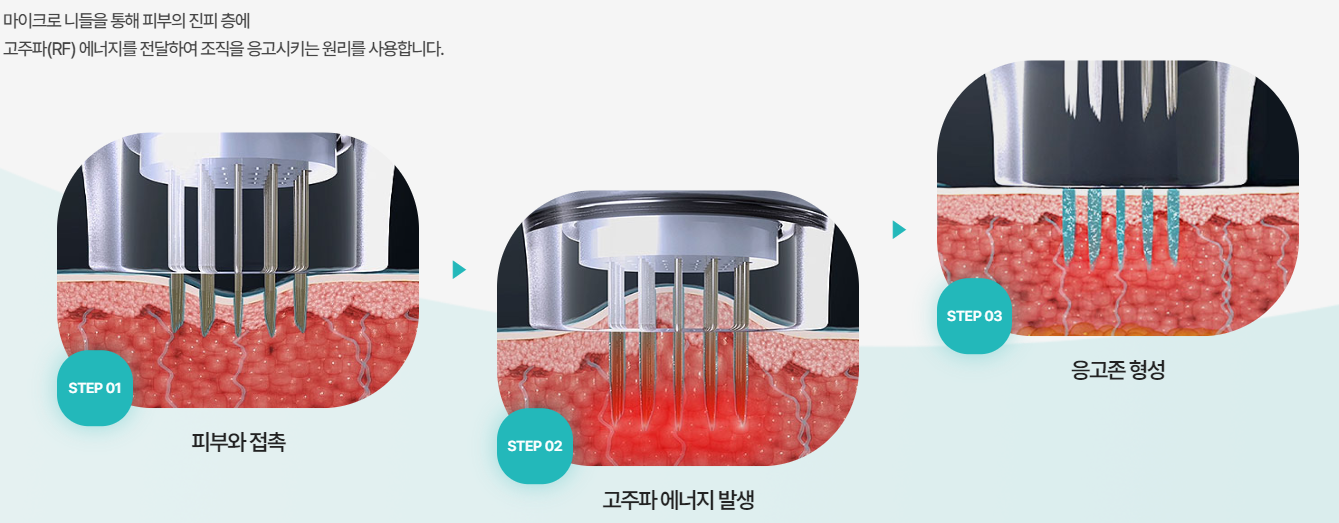
- Physical stimulation from the needles: the microneedles create very small holes in the skin, leaving micro-injuries. These injuries awaken the skin's natural healing response, and in the process the production of collagen and elastin is promoted. In principle alone, it resembles MTS (microneedle therapy).
- Thermal stimulation from radiofrequency: the radiofrequency energy delivered through the needles transfers heat to the dermis. Right after heating, collagen fibers contract, and over time new collagen production follows, so the dermal environment is put in order.
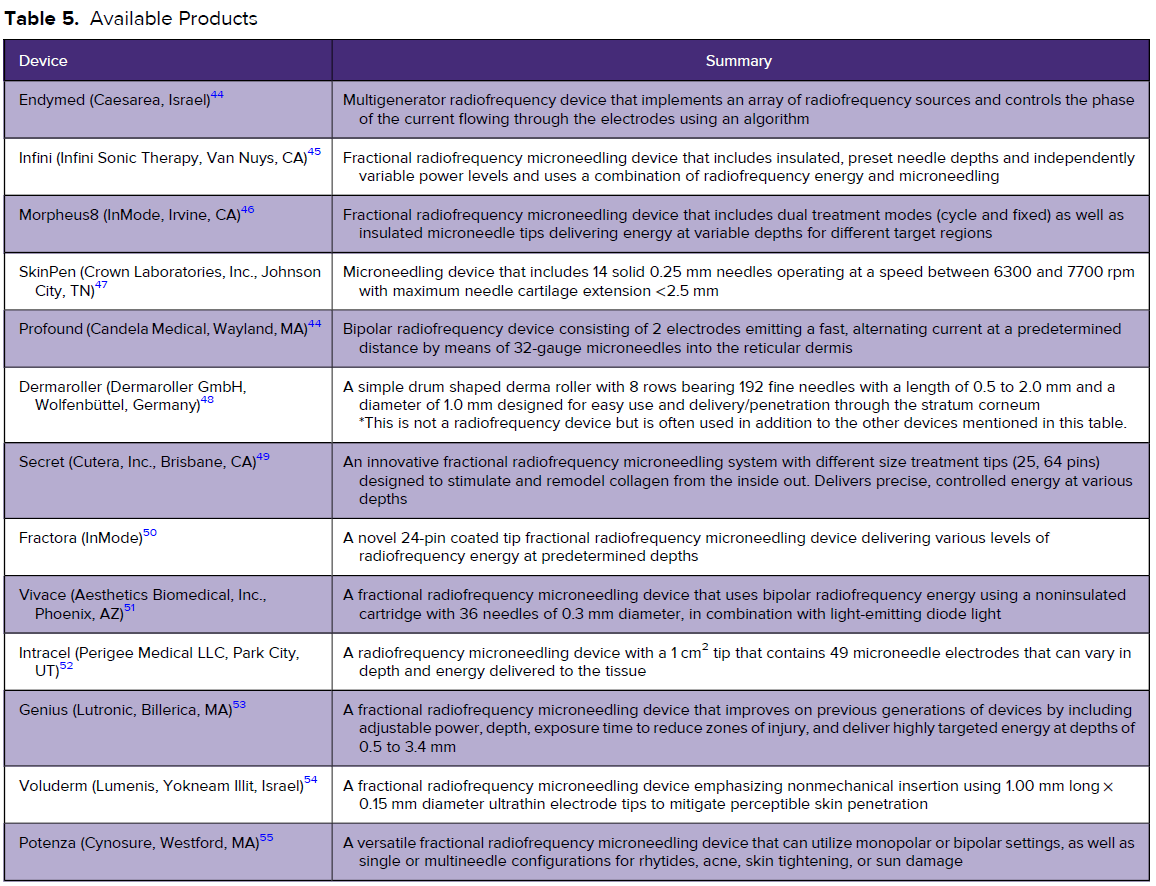
Besides Potenza, there are many kinds of microneedle radiofrequency devices, and research data on them have been steadily accumulating. If you are curious about the principles of radiofrequency itself, you may also want to read my post summarizing how radiofrequency devices work. Now let's look one by one at how this stimulation reaches each concern.
Why should acne be approached from the sebaceous glands?
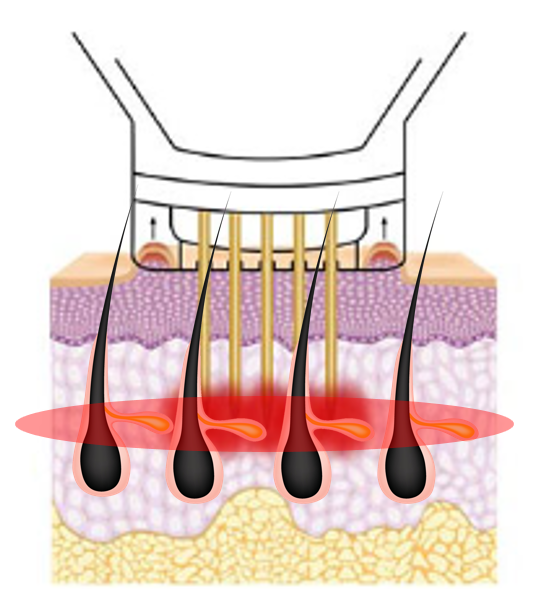
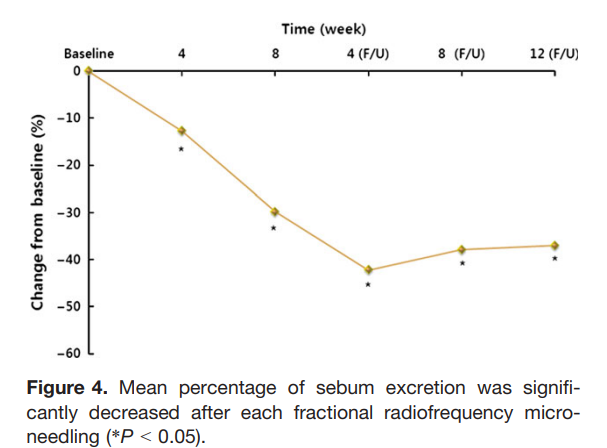
In acne, the point where microneedle radiofrequency is involved is the sebaceous gland. Radiofrequency energy acting on the sebaceous glands is reported to help reduce sebum production; it works in the direction of lowering the frequency of new breakouts and calming inflammatory acne that has already settled in. It is also used for the scars left after acne has subsided.
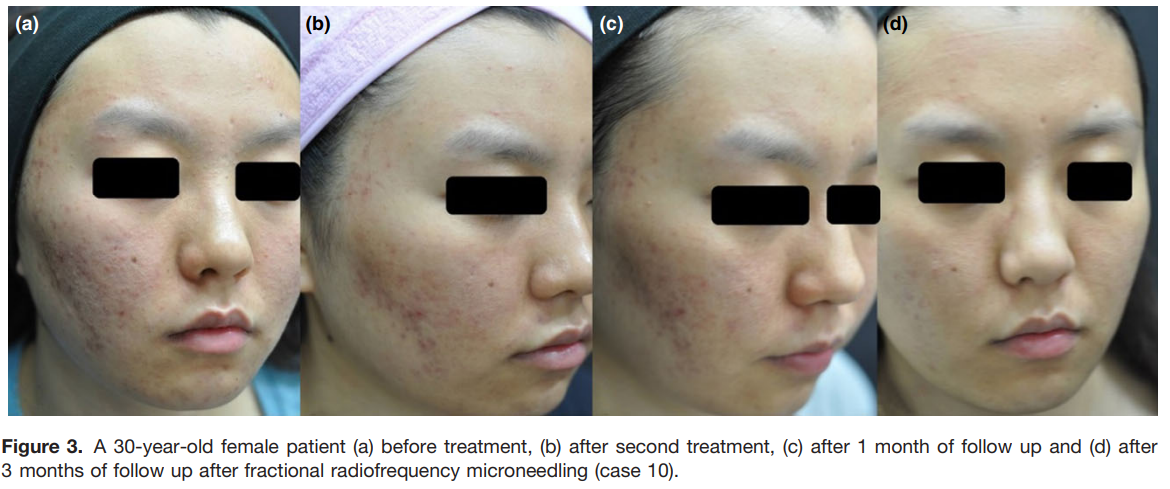
In the clinic, I often observe a pattern in which, as sebum secretion decreases, the number of acne lesions goes down and scars are also smoothed out to some extent. Of course, there are individual differences. If you have long been struggling with acne that does not heal well, it is an option worth considering at least once, and I myself tend to use it actively in acne treatment. If you would like to know more about why I approach acne from the perspective of the sebaceous glands rather than inflammation, you can find the background in my post on why I look at the sebaceous glands first.
Enlarged pores: is there room for them to tighten again?
Behind enlarged pores lie both reduced skin elasticity and excessive sebum secretion. As I mentioned earlier, microneedle radiofrequency lowers the activity of the sebaceous glands while regenerating collagen, helping stretched pores to tighten. Some people feel a change in which their pores become noticeably finer and the skin surface smoother over the course of treatment.
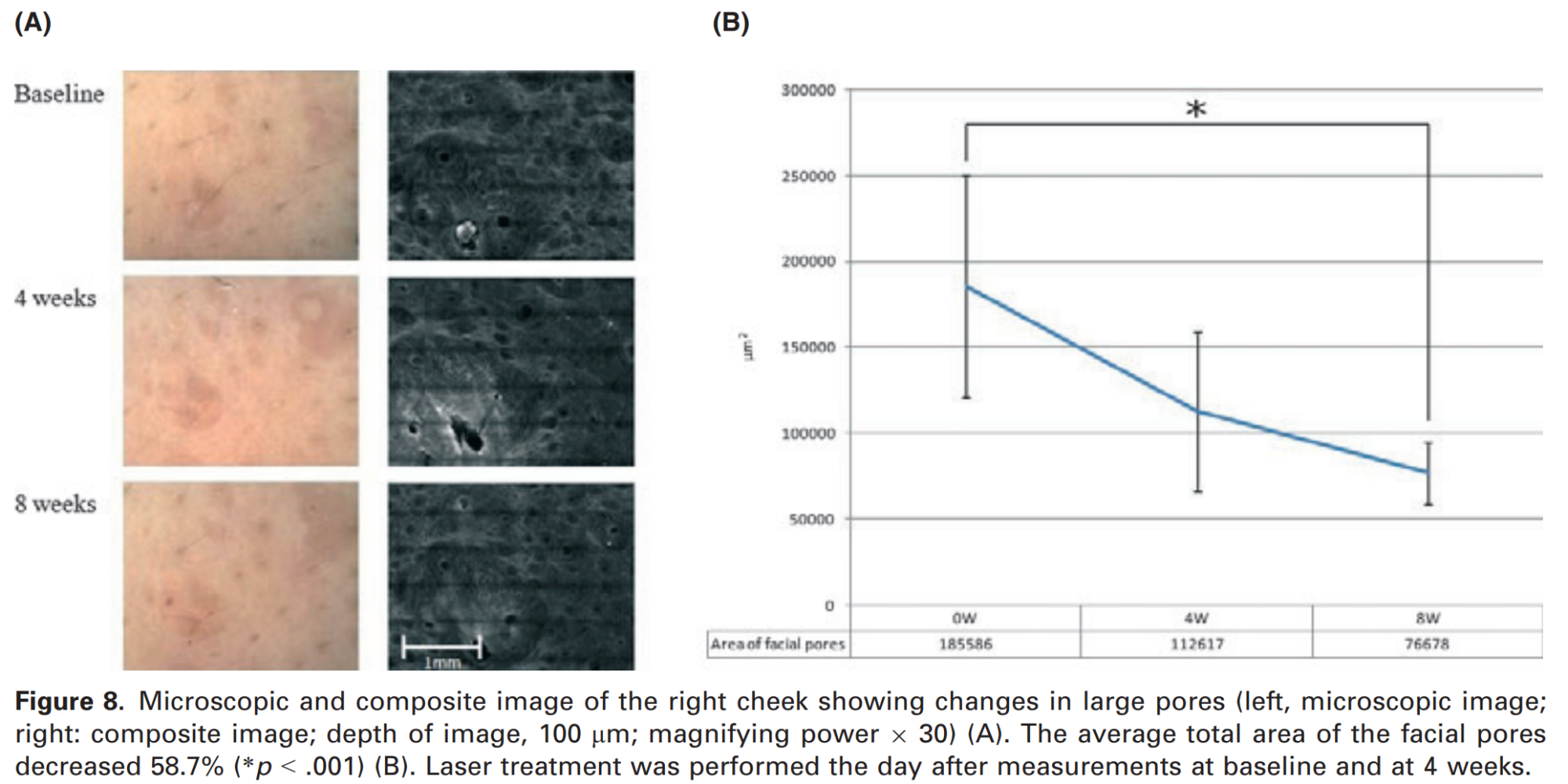
Compared with before treatment, you can see a pattern in which the number of large pores decreases. However, because it addresses the two axes of sebum and elasticity together, the speed and extent of change vary from person to person.
Which option is it for redness?
Microneedle radiofrequency can also help with redness. This is because the radiofrequency energy acts in the direction of stabilizing blood vessels within the skin and constricting excessively dilated vessels.
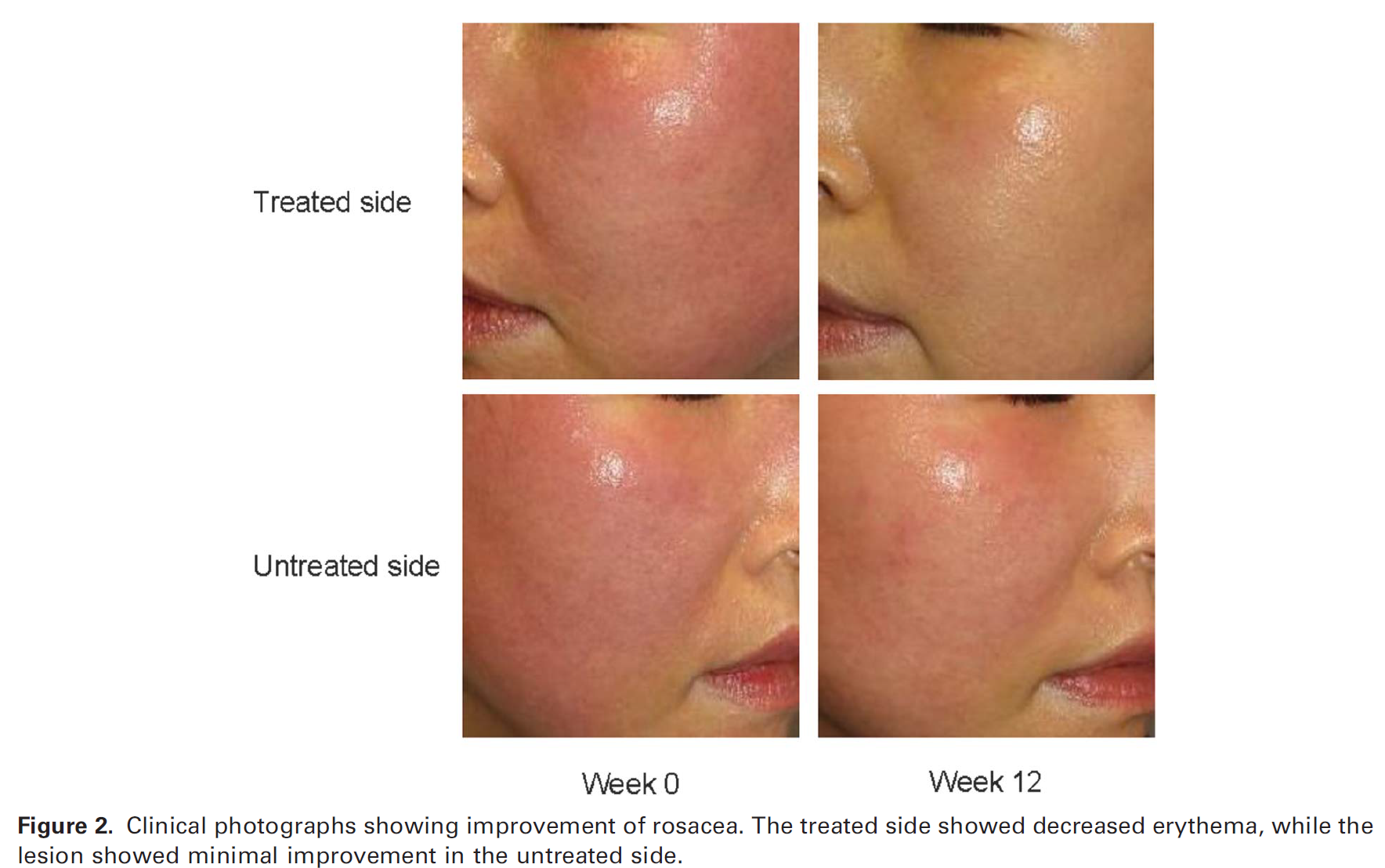
However, microneedle radiofrequency is not the first option in treating redness. It is natural to try a 595 nm pulsed dye laser first, and to consider it as the next card when improvement with that is slow.
There are quite a few cases in which redness is not simple flushing but is intertwined with rosacea; if you are curious about this background, my post summarizing the treatment of facial flushing and rosacea may help.
Effects that extend to scars and skin texture
Microneedle radiofrequency is a representative treatment used for acne scars. It is widely used not only for acne itself but also for the scars it leaves behind.
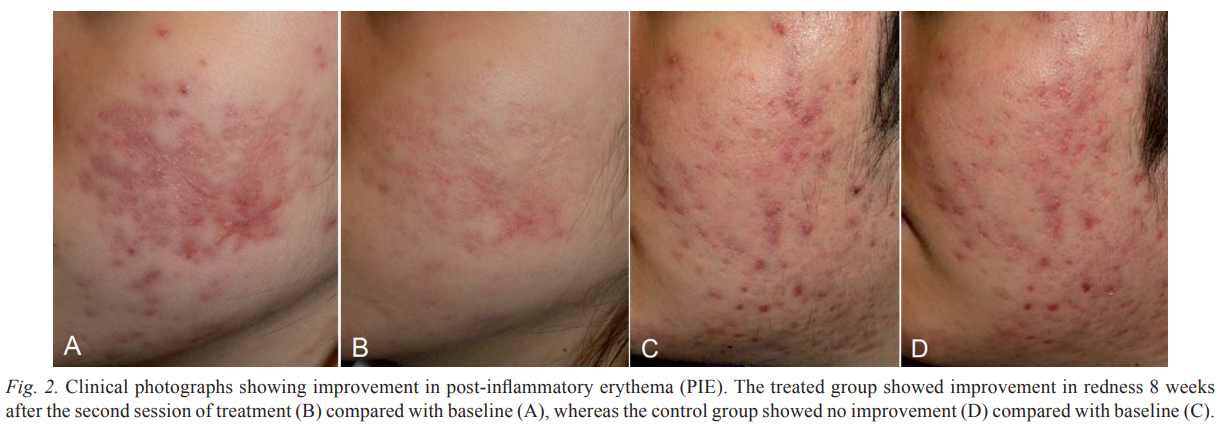
Research data also report a tendency for scars to soften and their surface to flatten after treatment, improving the shape and size of the scars.
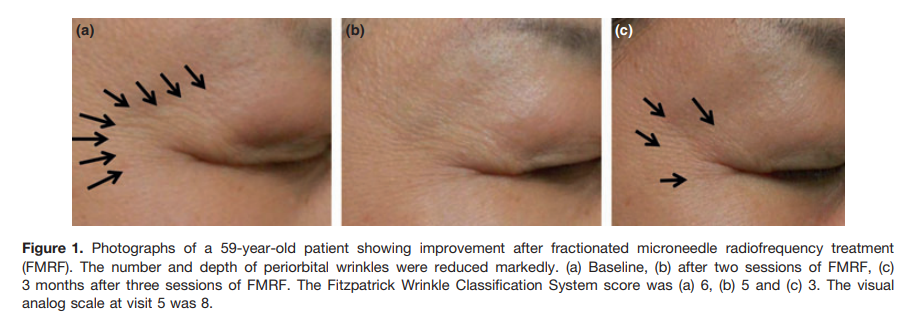
In addition, it is involved in improving skin elasticity and reducing fine lines. As the radiofrequency energy promotes the production of collagen and elastin deep in the dermis, this can lead to changes in which fine lines fade and skin texture is refined. If you are curious about other approaches to scar treatment, please also refer to my post on acne scar treatment.
One device, several indications at a glance
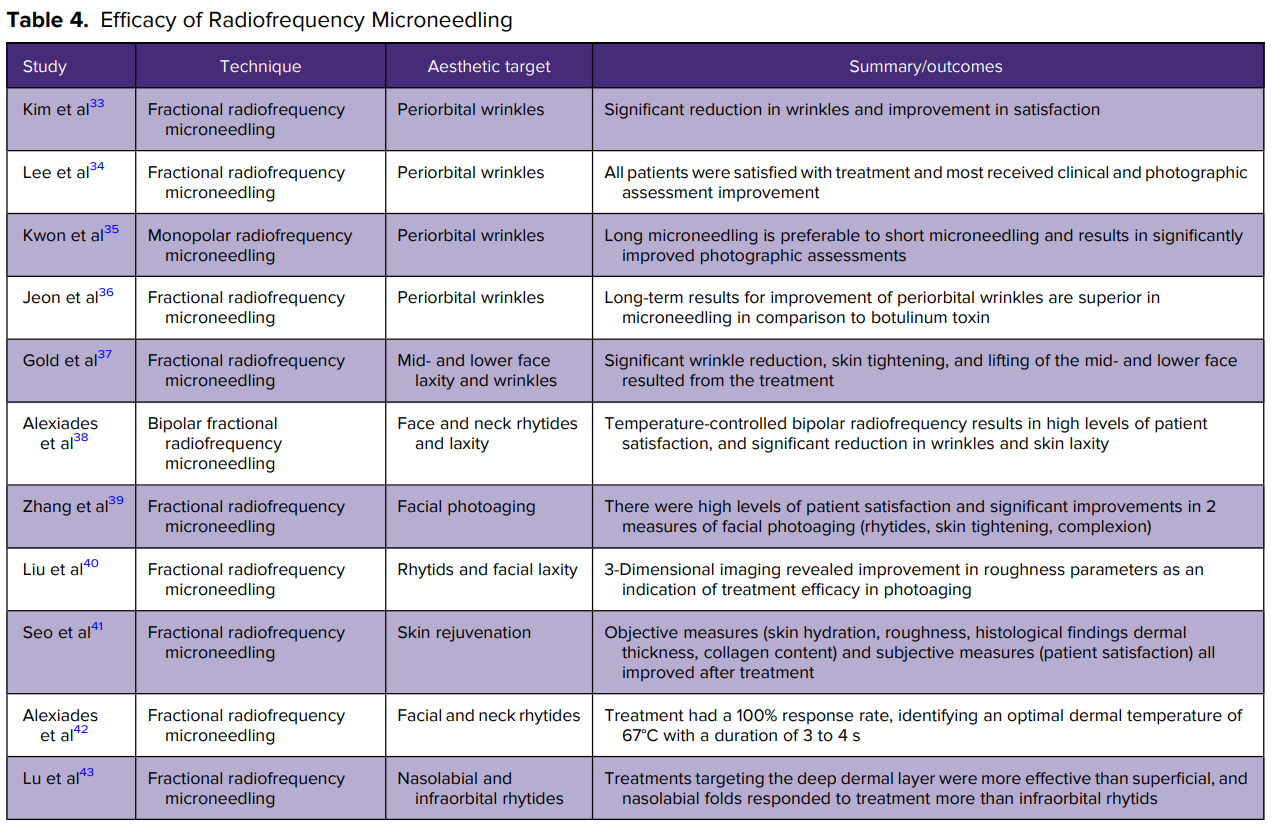
To sum up, microneedle radiofrequency acts on different concerns in different ways.
| Concern | Main direction of action |
|---|---|
| Acne | Lowering sebaceous gland activity to reduce sebum secretion |
| Enlarged pores | Tightening pores through reduced sebum and collagen regeneration |
| Redness | Stabilizing and constricting dilated blood vessels |
| Acne scars | Smoothing the scar surface so it becomes flatter and softer |
| Elasticity and fine lines | Promoting the production of collagen and elastin in the dermis |
It does not end in one session, and there is pain
Although it is an all-rounder treatment covering many indications like this, there are clearly points worth noting. There tends to be pain during treatment, and it may be difficult to see the desired degree of change after just one session. The large individual differences must always be kept in mind as well.
On the other hand, Potenza has additional options such as the pumping tip, and boosters such as Rejuran, Juvelook, and exosomes can also be applied together to enhance the effect. Which tip suits your skin, and whether there are other treatments worth combining, differ from person to person. That is why I recommend always deciding on a direction after consulting a dermatologist before treatment. Detailed information on the device itself can also be found in the Potenza treatment information.
If acne, pores, and redness are tangled together and you are at a loss as to where to begin, feel free to tell us about your current condition. Consult via chat

Author: Dr. Cho Mingyeol, Medical Director (board-certified dermatologist; Master Certification in Pigmentation, Acne, Rosacea and Hair from the Korean Dermatologists Association). You can find the full profile on the Medical Team page. First published 2024-09-03 / Last reviewed 2026-07-09
This article is intended for general information only; the appropriate treatment and outcomes may vary depending on each individual's condition.