

When I treat rosacea, quite a few people come in after adding one "good" product after another, only to find their face has become even redder. In those cases, the first thing I tell them is not to buy a new cosmetic but to sort out together which of the products they are currently using should be taken away. Today, based on rosacea management materials presented by the European Academy of Dermatology and Venereology (EADV), I would like to summarize how to handle cosmetics in a way that places less burden on skin that flushes easily.
Cosmetics are an area full of unverified stories. So in this post, rather than personal impressions, I will focus on the directions for which evidence has accumulated among dermatologists.
Which ingredients irritate skin that flushes easily
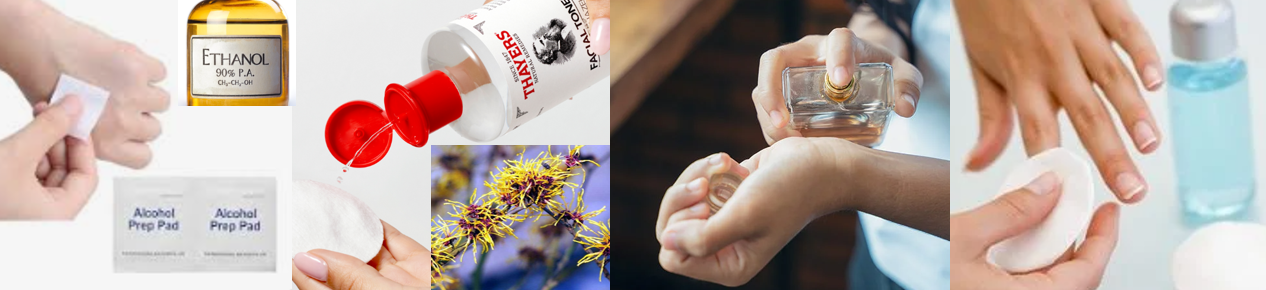
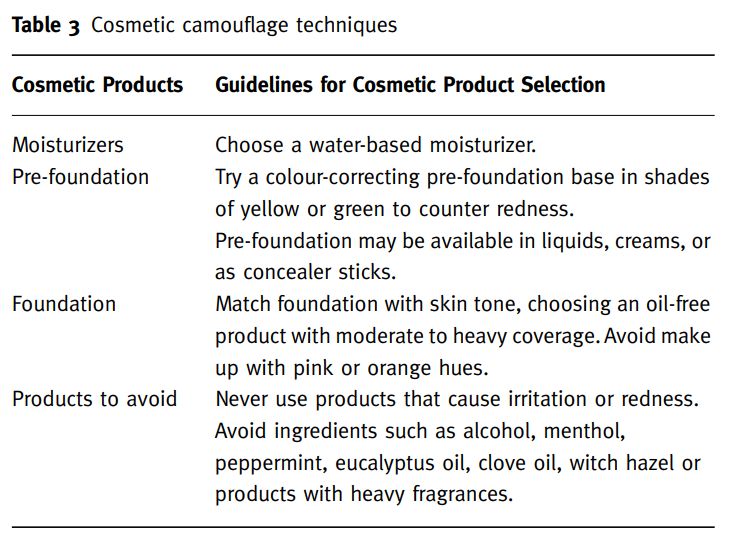
The first thing to sort out is filtering out ingredients that irritate the skin or make it red. The academy's materials list the following as ingredients that can worsen rosacea.
- Alcohol
- Witch hazel
- Fragrance
- Acetone

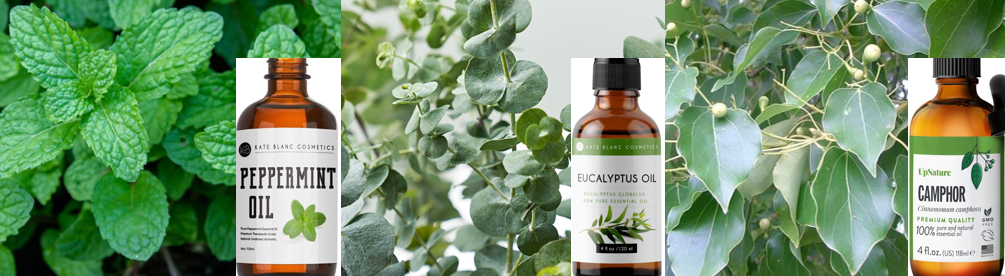
If a product contains these ingredients, or gives you a burning, flushing sensation after you apply it, it is better to refrain from using it. In addition, herbal ingredients such as peppermint (menthol), eucalyptus and camphor also call for caution. Just because a product is labeled as a natural extract or organic does not mean it is always safe, and these ingredients are often found in toners, essences and oil-type products.

A simple table of the items to watch for on the ingredient list looks like this.
| Ingredients best avoided | Direction to consider instead |
|---|---|
| Alcohol, acetone | Alcohol-free, low-irritation formulas |
| Fragrance, witch hazel | Fragrance-free or minimally scented products |
| Menthol, eucalyptus, camphor | Simple formulas without herbal ingredients |
| Oil-based creams, balms | Water-based lotions, emulsions and the like |
How to choose moisturizers and makeup
When choosing a moisturizer, I recommend water-based formulas such as lotions or emulsions rather than oil-based creams or balms. When you want to cover redness, green- or yellow-toned makeup bases help, as is widely known.

For foundation, oil-free products with little oiliness are a safe choice. How you apply it also matters: I recommend dabbing it on with a patting motion rather than rubbing and spreading it. Simply reducing friction can prevent skin damage to some extent.

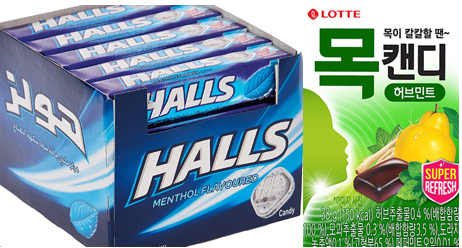
Something surprisingly easy to overlook is menthol in everyday life outside cosmetics. Mint candies that make your throat feel cool also contain menthol, so if you flush easily, it may be worth checking.
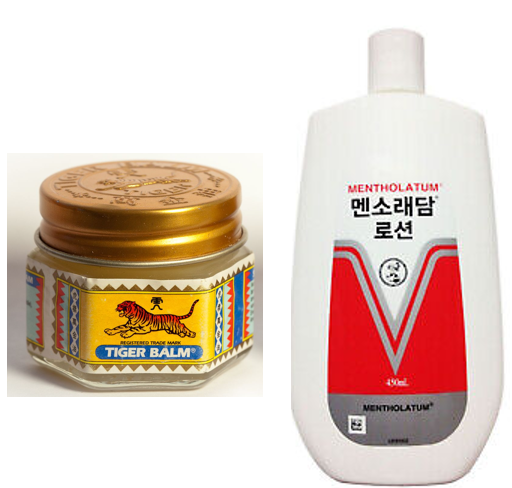
The same goes for products like the warming Tiger Balm or Mentholatum that you apply for muscle pain. Doesn't menthol come to mind at a glance? They may help with muscle pain, but it is good to remember that they can have an unfavorable effect on flushing.
If anything about the ingredients you apply concerns you, feel free to ask through Consult via chat now.
In fact, the removal process matters more

What I really want to emphasize today starts here. You have probably heard that removing makeup is more important than applying it. That is true. But many people understand this the wrong way around.
In the clinic, I often see people who take "removal is important" to mean "remove it vigorously," cleanse too harshly, and end up breaking down their skin barrier instead.
The key is not to strip it off with force but to remove it while minimizing irritation as much as possible. Over-cleansing can worsen rosacea, and I have covered this in a little more detail in my post Cleansing creates rosacea. Even so, the skin barrier inevitably gets damaged little by little during cleansing.
So I often add one more step to the logic. If you wear heavy makeup, you have to remove it that much more strongly, so it is better to avoid heavy makeup whenever possible. If the removal method itself is your concern, my post on how best to cleanse may also help.
Subtract rather than add: reduce the number of products
Rosacea is a state in which the skin has become reactive, much like sensitive skin. That is why I recommend reducing the number of cosmetics you use. Functional cosmetics in particular are relatively more likely to cause irritation, so it is safer to keep them to a minimum.
I have explained, using an analogy, how to handle sensitized skin and the skin barrier in my post on the skin barrier, so I recommend reading it as well.
There is one product you must not skip. UV is a representative factor that worsens rosacea, so sunscreen should always be applied. In this case, it is good to consider inorganic (mineral) sunscreens first, as they are relatively less irritating.

How far can cosmetics alone go
To be honest, cosmetics alone have limits when it comes to improving flushing. Cosmetic care is only the foundation for irritating the skin less and protecting the barrier; it is difficult for it to reverse vascular flushing that has already set in. Managing causes by controlling irritants is covered in The causes of rosacea, and actual dermatological treatment continues in The treatment of rosacea.
When vascular flushing is pronounced, vascular lasers such as V-Beam Perfecta may also be considered, but responses vary between individuals, so it is better to have your condition examined first.
If you cannot decide what to subtract from and what to add to your own skin routine, feel free to press Consult via chat and ask.
To sum up, for skin that flushes easily, the first direction is subtracting irritation rather than adding good things. Filter out ingredients, make the removal process gentle, reduce the number of products, and keep up only the sun protection consistently. Building on this foundation and adding dermatological treatment when needed is the flow I recommend in the clinic.
[References]
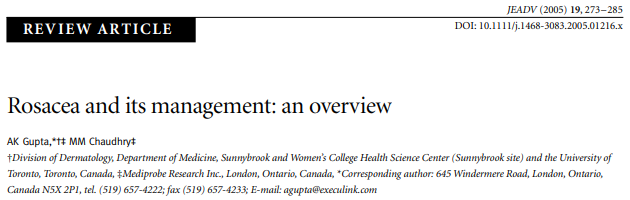
- Gupta, A. K., and M. M. Chaudhry. "Rosacea and its management: an overview." Journal of the European Academy of Dermatology and Venereology 19.3 (2005): 273-285.
Author: Dr. Cho Mingyeol, Medical Director (board-certified dermatologist; Master Certification in Pigmentation, Acne, Rosacea and Hair from the Korean Dermatologists Association). You can find the full profile on the Medical Team page. First published 2023-03-09 / Last reviewed 2026-07-09
This article is intended for general information only; the appropriate treatment and outcomes may vary depending on each individual's condition.