

When you see a dermatologist, you often hear the phrase "your skin barrier has broken down." It is a commonly used expression, but many people tell me they do not really have a sense of what it actually means for the barrier to be damaged. So I would like to explain, just as I do in the clinic, what the skin barrier is and how a broken barrier can be restored. I have put a separate summary at the end of the post, so if you are busy, feel free to start from the bottom.
"Your skin barrier has broken down": how I explain it in the clinic
One of the most important roles of the skin is to protect the body from the external environment. With a solid fortress wall, it is hard for outside enemies to get in, but when the wall collapses, the opposite happens. Picturing a barrier like the Great Wall makes it easy to understand. The skin is, in effect, the fortress wall standing at the outermost edge of our body, keeping bacteria and harmful substances from getting in.
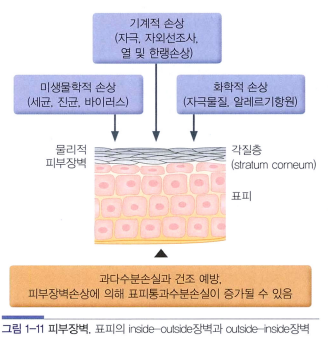
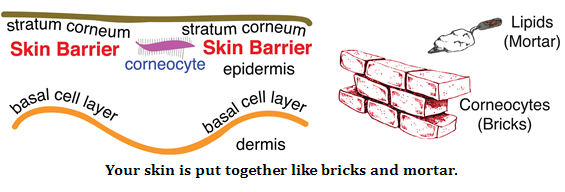
The core of this wall is the stratum corneum. The stratum corneum is made up of corneocytes, which correspond to the bricks, and lipids, which correspond to the cement filling the spaces between the bricks. The representative components of these lipids are ceramides, cholesterol, and free fatty acids.
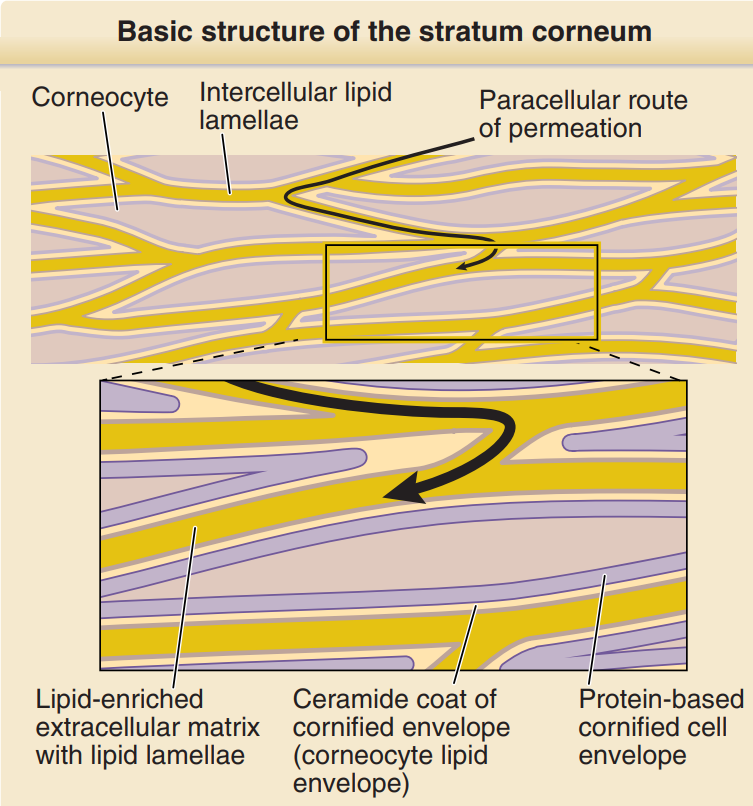
Looking at the figure above, doesn't it remind you of a brick wall? That structure, with bricks and cement tightly interlocked, is exactly what the skin barrier is.
What happens in the skin when the wall is breached?
When the barrier is damaged, problems arise in two directions. Irritants such as bacteria and allergens easily get into the skin, and conversely, water inside the body escapes outward. This water loss is called transepidermal water loss (TEWL, Trans Epidermal Water Loss).
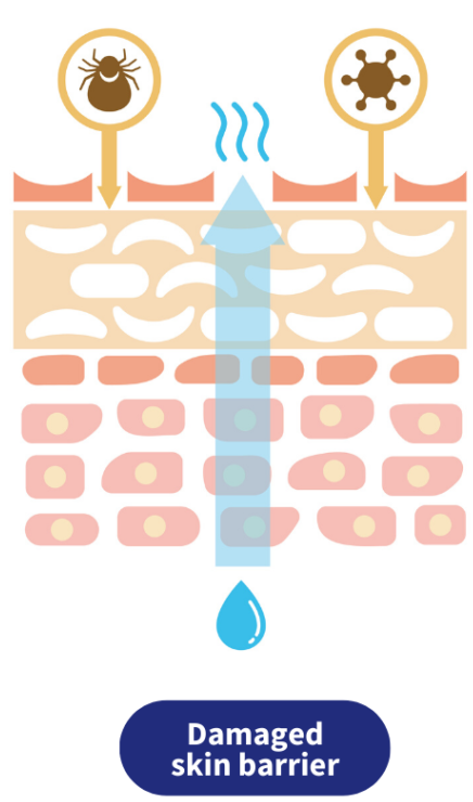
As a result, the skin becomes dry, and breakouts appear at even minor irritation. If it progresses further, it can lead to abnormal scaling (parakeratosis), cracking or blistering (spongiosis), and even itching and stinging. The weaker the barrier becomes, the more irritation increases, and the more irritation increases, the weaker the barrier becomes.
There are a great many internal and external factors involved in the barrier, but here I will pick out only the ones we can correct ourselves in daily life.
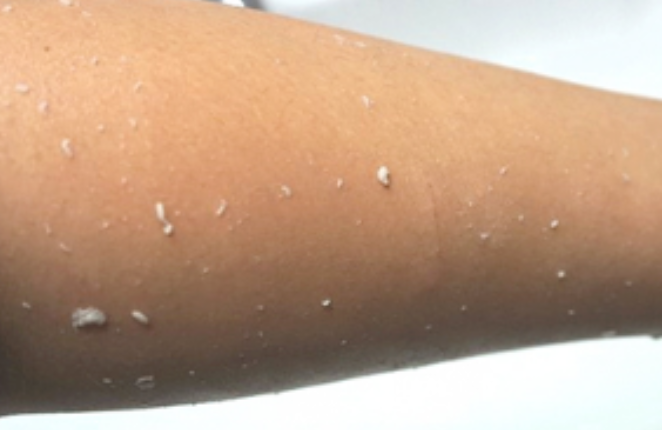
First, let's reconsider the habit of scrubbing off dead skin
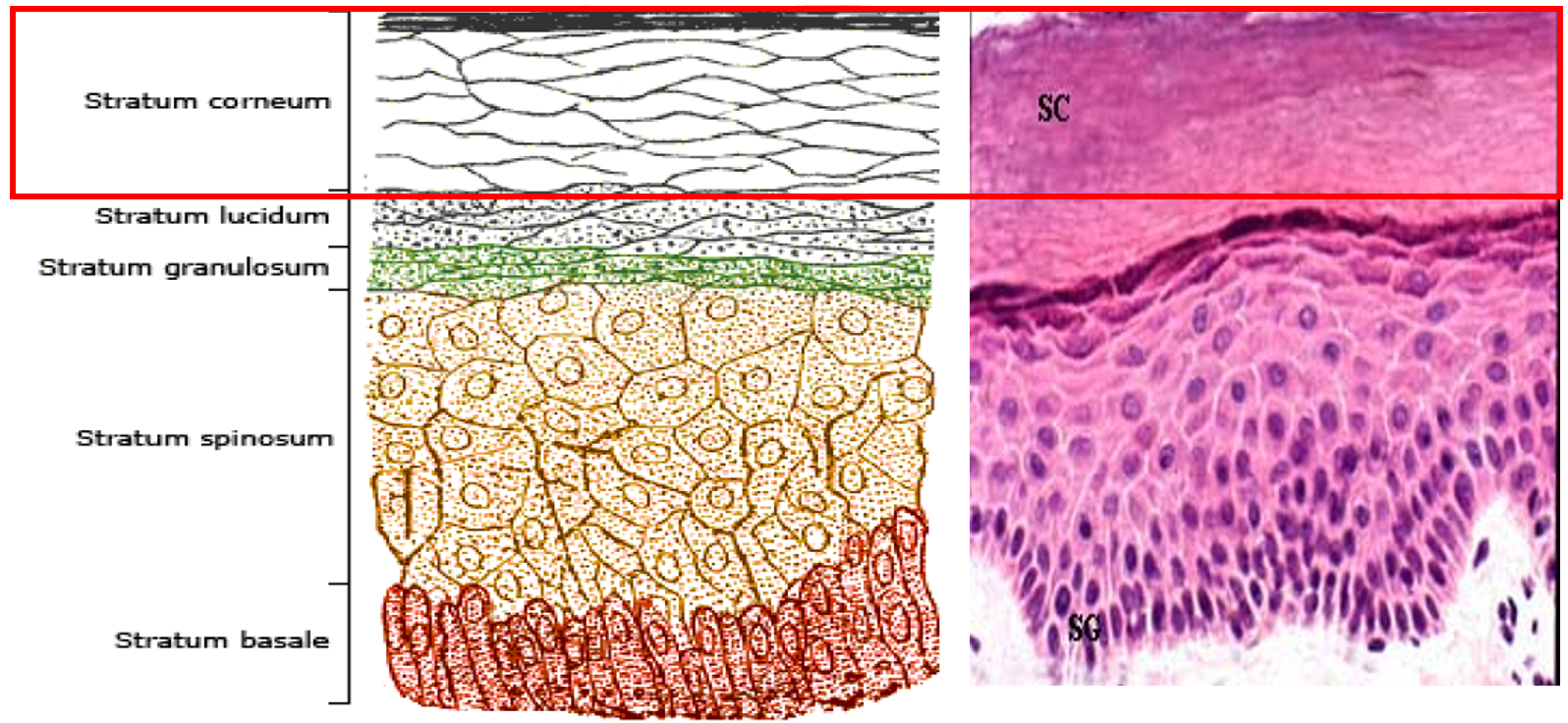
The stratum corneum is the outermost part of the skin. In the past, it was regarded as a dead layer, called "grime," and even scrubbed off with an Italy towel (a coarse Korean exfoliating cloth), but today it is seen as one of the most important components of the skin barrier. Since that amounts to forcibly scraping away the bricks that make up the wall, you should not over-exfoliate.
- Do not forcibly scrub or peel off dead skin
- If your skin is sensitive, refrain from using peeling products as well
- Do not rub your skin hard when washing your face
- Finish washing your face within 3 minutes, with a mildly acidic cleanser and lukewarm water
I have covered how to set up your cleansing habits a little more concretely in Why I ask about your cleansing habits first in the clinic.
Why does a "squeaky clean" wash actually break down the barrier?
The pH of the upper stratum corneum of normal skin is between 4.5 and 5.5, which is mildly acidic. But once the pH crosses over to alkaline, at 7.0 or higher, the story changes.
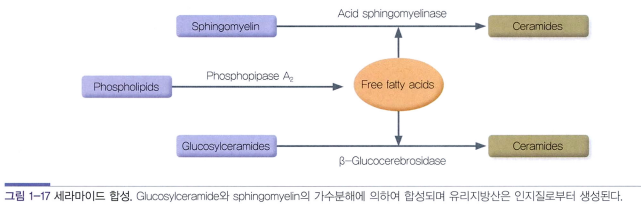
In an alkaline environment, the synthesis of ceramides, the core of the skin's lipids, is suppressed, so the skin becomes dry, and even its antibacterial action declines, weakening the barrier. That is why I recommend mildly acidic cleansers and mildly acidic moisturizers.
Washing your skin until it squeaks with soap gives a refreshing feeling in the moment, but in reality it is closer to dissolving the cement of the wall.
For the same reason, I recommend mildly acidic formulas rather than soap for sensitive skin; I have explained the background in Why I recommend mildly acidic cleansers for sensitive skin. If barrier care is a concern for you, feel free to ask me through consult via chat now.
Moisturizing to break the vicious cycle of dryness
Once the skin becomes dry, natural moisturizing factors decrease and barrier function declines. Transepidermal water loss then increases and the skin becomes even drier, entering what is called a vicious cycle.
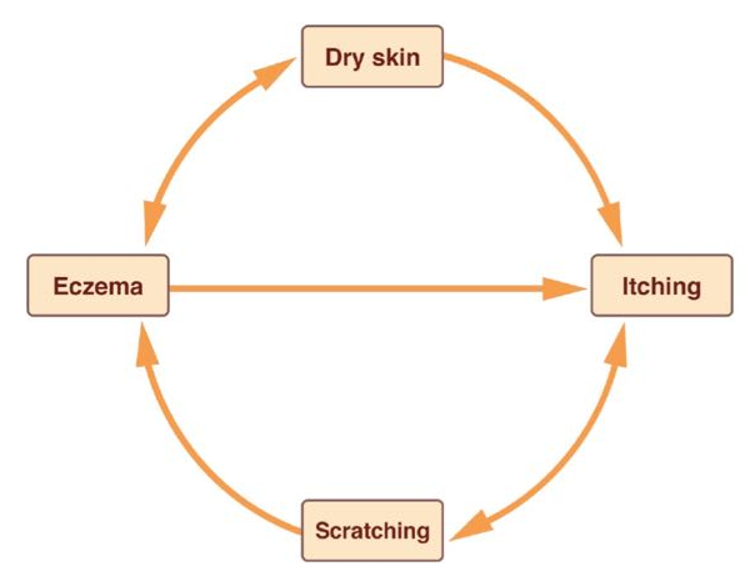
To break this cycle, it is good to apply moisturizer frequently. In particular, it works best when applied within 3 minutes after a shower, before the skin has dried. If your skin is in a sensitive state, you can choose products containing soothing ingredients such as aloe vera, Centella asiatica, ginkgo leaf, green tea extract, or azulene.
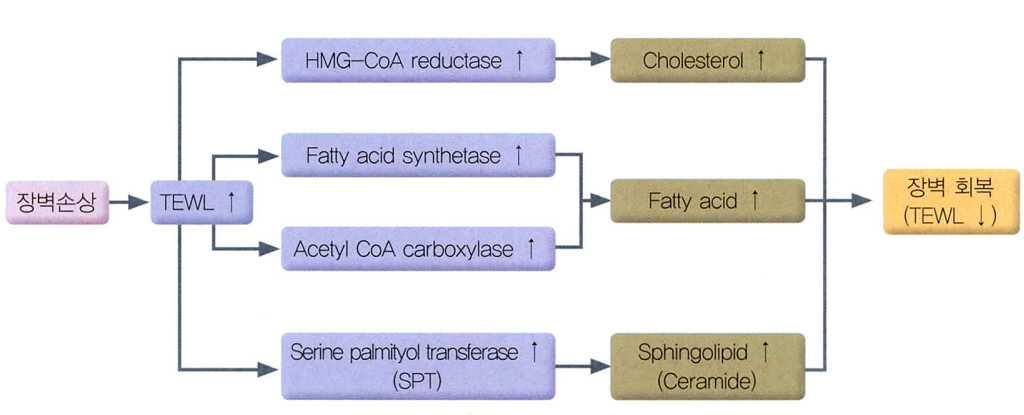
For damaged skin, a moisturizer containing ceramides, the key lipid, is helpful. You can read more about how I set the care direction for dry skin in The criteria I use in the clinic to set the care direction for dry skin, and about how to choose moisturizers for winter dryness and itching in Why I recommend urea first for winter itch.
Lifestyle habits that protect your lipids
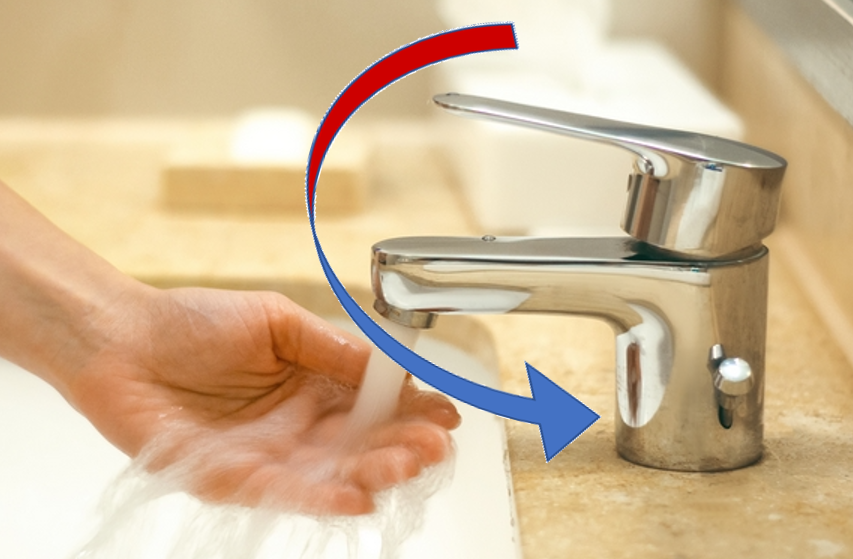
The lipids that serve as the cement of the skin barrier are ceramides, cholesterol, and free fatty acids. The problem is that these lipids wash away more easily than you might think. Washing with hot water for a long time, or using cleansers with overly strong cleansing power or oil cleansers, dissolves the lipids along with everything else and easily breaks down the barrier.
The habit of using a sheet mask every day also deserves a second look. Using a mask daily raises the concentration of ingredients that can be irritating, which can make the skin sensitive, and the surfactants in the mask may dissolve the skin's lipids and break down the barrier secondarily. I do not recommend daily sheet masks.
Dividing habits according to lipids, they can be summarized like this.
| Habits that protect lipids | Habits that strip lipids |
|---|---|
| Short face washing with lukewarm water | Long washing with hot water |
| Mildly acidic, low-irritation cleansers | Cleansers with strong cleansing power or oil cleansers |
| Moisturizers containing ceramides | Sheet masks repeated every day |
| Minimal makeup, only when needed | Frequent use of organic solvents such as alcohol and acetone |
Organic solvents such as alcohol and acetone can also dissolve lipids and break down the barrier. If your skin has become extremely sensitive, even the cleanser used to remove makeup can damage the barrier further, so it may be better to avoid makeup as much as possible and, depending on the situation, adjust your use of sunscreen as well.
Stress and sleep are also involved in the skin barrier
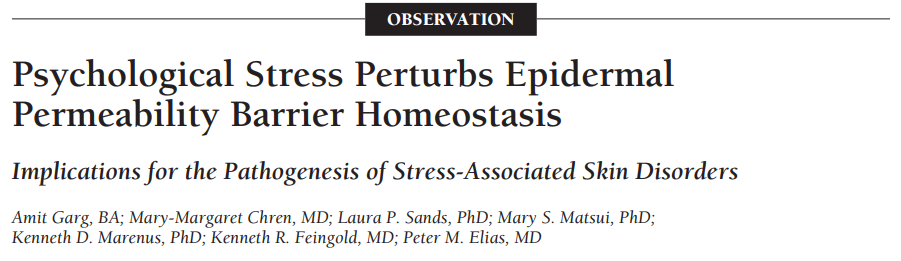
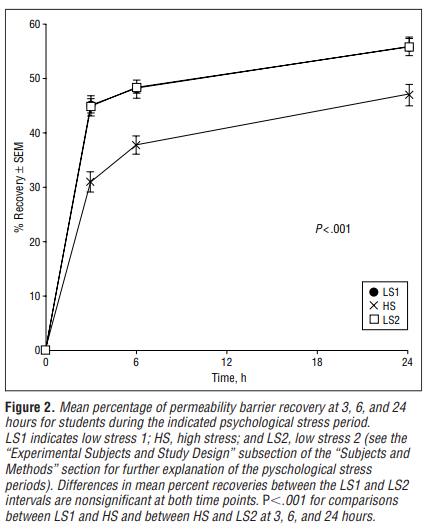
There is one more unexpected factor: stress. One study compared the degree of skin barrier recovery in medical students 4 weeks before exams, during exams, and 4 weeks after exams, and observed a pattern in which barrier recovery was slower during the highly stressful exam period.
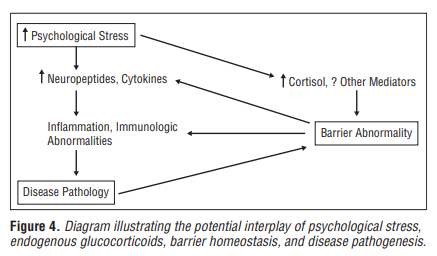
The mechanism is understood as follows. Under stress, adrenocorticotropic hormone is induced in the pituitary gland, and as a result the action of cortisol, the stress hormone, reduces the formation of lamellar bodies in the stratum corneum. When lamellar bodies decrease, skin lipid synthesis is suppressed and barrier recovery slows down.

In the end, avoiding stress as much as possible and sleeping enough also helps the health of your skin barrier. There are individual differences, but it is not far off to say that the rhythm of your life is imprinted directly on your skin.
Today's summary

Let me summarize what we have covered so far, one line at a time.
- The skin barrier is a wall made of bricks (corneocytes) and cement (lipids)
- When the barrier breaks down, irritants get in and water escapes, leading to dryness and breakouts
- Avoid excessive exfoliation, harsh washing, and alkaline cleansing
- Wash and replenish with a mildly acidic cleanser and a ceramide moisturizer
- Daily sheet masks and organic solvents dissolve lipids
- Stress and lack of sleep also slow barrier recovery
They may look simple, but they are not easy to keep up every day. If you are struggling with barrier problems, such as sensitive skin or atopic dermatitis, why not start by changing these lifestyle habits one at a time? If you are at a loss as to where to begin, through consult via chat I will help you set a direction suited to your current skin condition. I hope everyone reading this regains a healthy skin barrier.
References
- Dermatology, 6th edition, The Korean Dermatological Association
- Kang, Sewon. Fitzpatrick's Dermatology. McGraw Hill Professional, 2018.
- Garg, Amit, et al. "Psychological stress perturbs epidermal permeability barrier homeostasis." Archives of Dermatology 137.1 (2001): 53-59.
Author: Dr. Cho Mingyeol, Medical Director (board-certified dermatologist; Master Certification in Pigmentation, Acne, Rosacea and Hair from the Korean Dermatologists Association). You can find the full profile on the Medical Team page. First published 2023-02-22 / Last reviewed 2026-07-09
This article is intended for general information only; the appropriate treatment and outcomes may vary depending on each individual's condition.