

When I meet people with dry skin in the clinic, I first think about "what to replenish and protect" rather than "what to take away." Many people feel their face is tight and rough every time they look in the mirror, and many find their cheeks turning red and stinging as soon as winter comes. Dry skin is usually discussed only in terms of its drawbacks, but from what I see in the clinic, it is a type that, if well cared for, actually has an advantage with age. Today I would like to go step by step through the nature of dry skin, its pros and cons, and the care direction I actually recommend.
What state is dry skin, really?
Dry skin is a state in which both moisture and oil are lacking. The skin dries out easily and flakes, and it tends to turn red or sting in cold winter winds. Because its nature is almost the opposite of oily skin, its care direction must also be completely different. If you are curious about the differences between the two types, reading the pros and cons of oily skin and care strategies alongside this post will help you understand your own skin.
Dry skin has clear appeal too
Dryness tends to come with worries, but dry skin has several strengths that oily skin might envy.
- Smooth, matte texture: With little sebum secretion, the skin always stays smooth and soft. Many of those who remember having really good skin when they were young are dry-skinned.
- Small pores: Because sebum is not secreted excessively, pores have little chance to enlarge. Many have a texture close to so-called porcelain skin.
- Less burden of acne scars: With less sebum secretion, they tend to have relatively fewer acne concerns during adolescence.
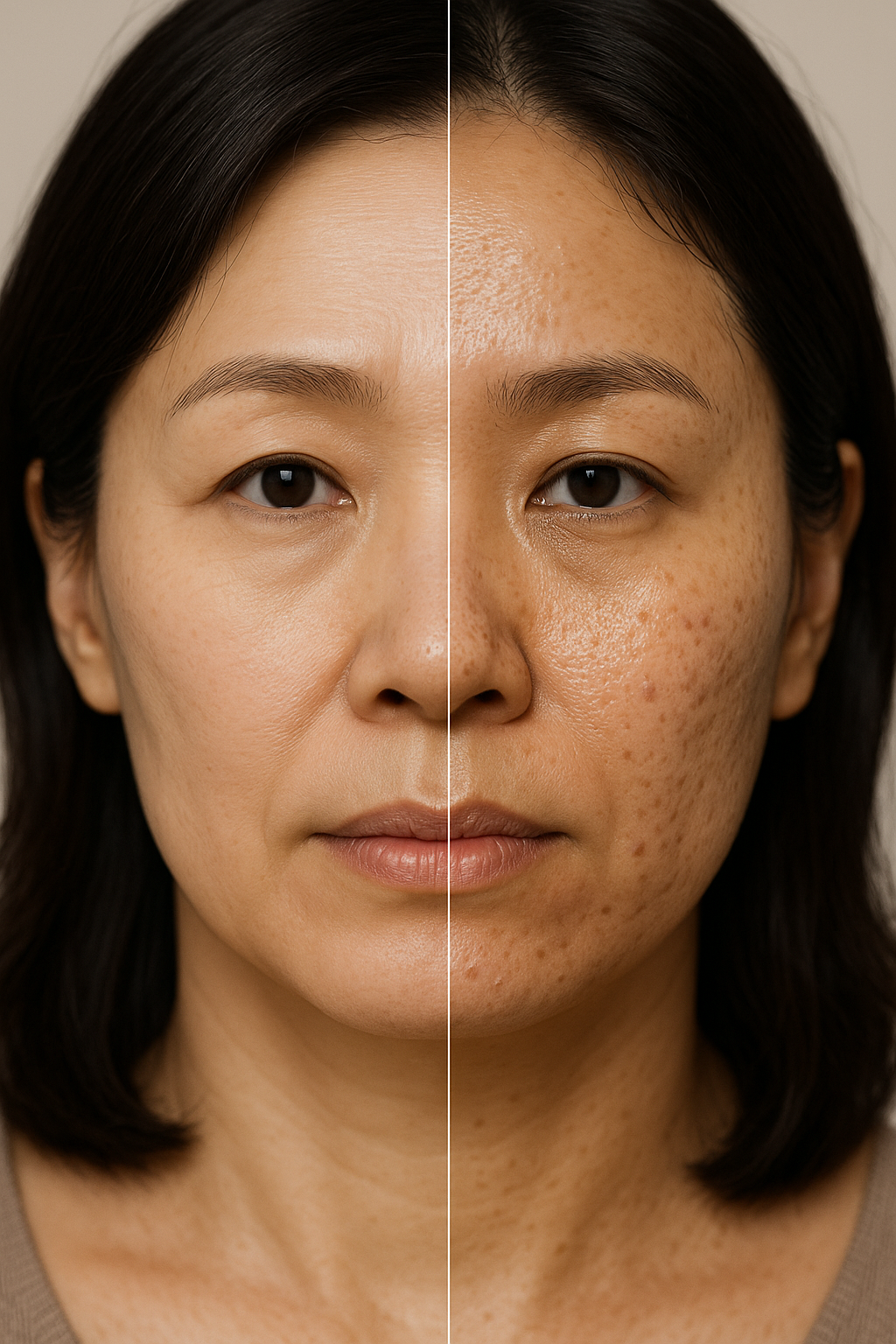

Then what are the drawbacks?
Behind the strengths lie weaknesses that show up if the skin is not cared for.
- Dryness: Because the natural protective film of sebum is lacking, water in the skin evaporates easily. That is why continually replenishing moisture with sufficient moisturizer is most important.
- Fine lines and loss of elasticity: When the skin is dry, synthesis of the elastic fibers collagen and elastin decreases. Lack of moisture can be a major cause of loss of elasticity, and fine lines also tend to increase relatively quickly.
- Sensitivity: When the skin barrier weakens, the skin becomes vulnerable to external irritation. It can readily turn red or itchy in response to even small particles of dust, temperature changes and cosmetics.
In the end, the two pillars of dry skin care are moisturizing and barrier strengthening. If you are curious about the principles of why the barrier is so important, I have covered it in more detail in the story of the skin barrier.
The key to caring for dry skin does not lie in washing things away. It lies in filling the skin deeply with moisture and building and protecting a strong defensive barrier.
Cleansing and moisturizing: order and intensity determine your care
The drier the skin, the more the principle is gentle cleansing and generous moisturizing. The order I recommend in the clinic is as follows.
- Wash with a mildly acidic cleanser so the skin stays moist. Products containing moisturizing ingredients are even better.
- On days you wear makeup, remove it first with cleansing milk, then finish with a mildly acidic foam cleanser.
- Avoid washing your face with hot water or taking long showers, as these habits strip away natural oils excessively and lead to moisture loss.
- Apply plenty of a rich moisturizing cream containing natural moisturizing factors such as ceramides. Layering thin coats several times is more effective than applying a thick layer all at once.
How should you exfoliate? To give the conclusion first: very occasionally and gently. I recommend avoiding harsh scrubs and AHA/BHA products as much as possible. If you still want to use one, choose PHA, which is relatively less irritating, and please never physically rub off dead skin with your hands or tools. If you are curious about the correct cleansing routine, I have laid it out step by step in how should you cleanse?.
If dryness or sensitivity is not easily controlled and you want to check which products and order suit your skin, please feel free to contact us through Consult via chat now.
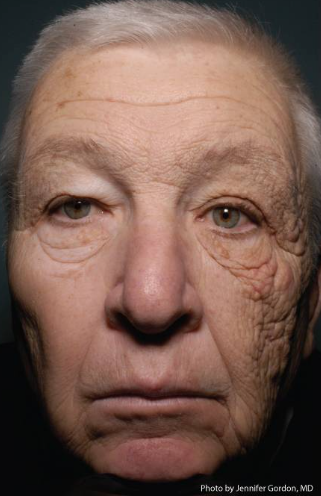
Sun protection: the drier your skin, the more attention it needs
UV light is a major cause of skin aging and damage, and dry skin is no exception. In fact, dry and sensitive skin tends to develop fine lines easily, so more effort should go into UVA protection. Sunscreens fall into two broad categories.
| Category | Mechanism | Advantages | Points to note |
|---|---|---|---|
| Chemical sunscreen | Absorbs UV light and breaks it down chemically | Spreads well, almost no white cast | Ingredients such as oxybenzone, avobenzone and octinoxate can be irritating |
| Mineral sunscreen | Physically reflects and scatters UV light | Relatively less irritating, suitable for sensitive skin | May leave a white cast |
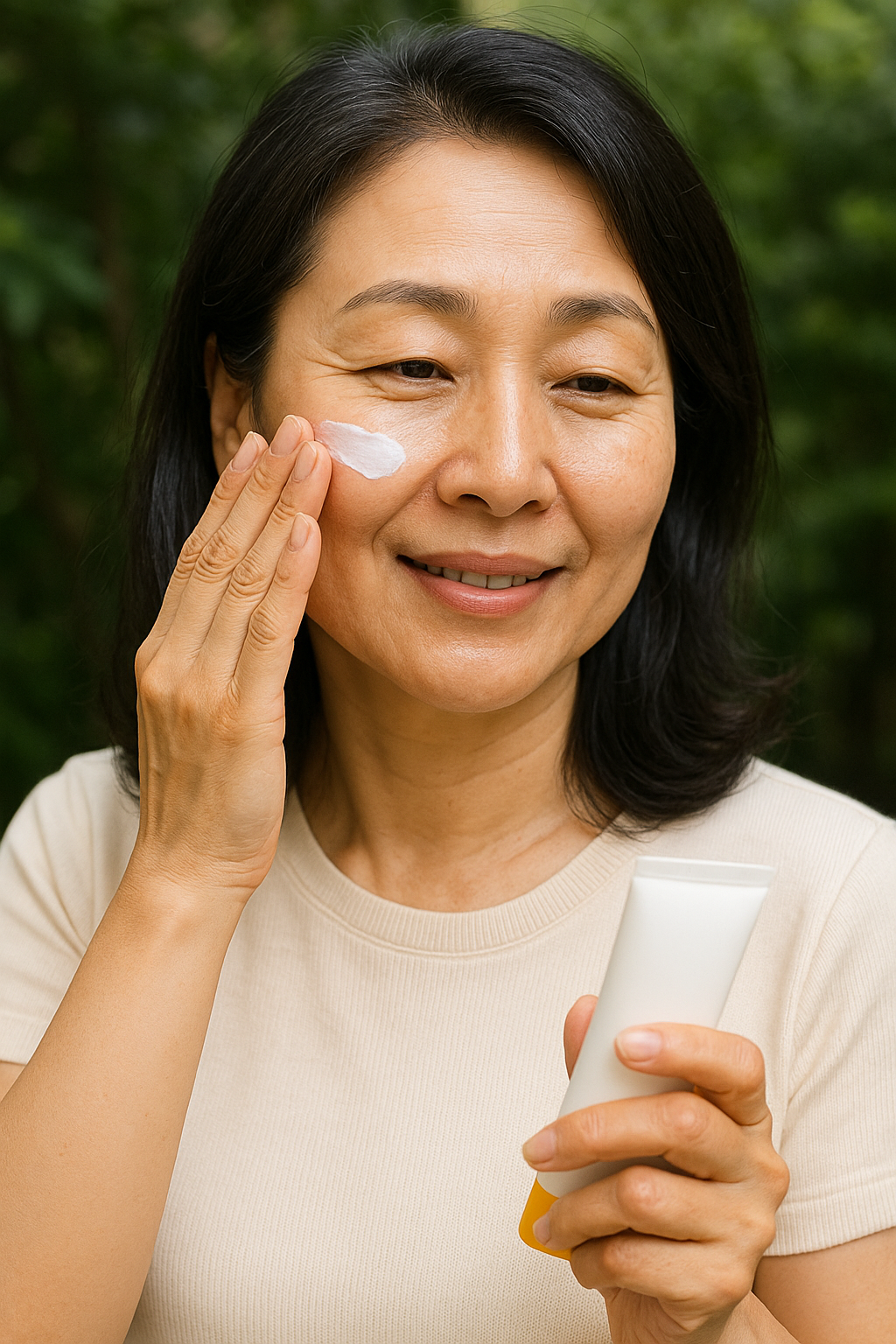
If your skin is sensitive, I recommend considering a mineral sunscreen first. As a guideline, products of SPF30, PA++ or higher are appropriate for daily life, and SPF50, PA+++ or higher for outdoor activities.
Why I also recommend radiofrequency firming treatments for dry skin
Dry skin, with little sebum secretion and a weak protective film, is more prone to fine lines than oily skin. So when loss of elasticity is not well controlled by home care alone, I often suggest monopolar radiofrequency treatments such as Thermage or Density as a direction. These treatments are known to safely deliver heat energy to the deep layers of the skin, promoting collagen regeneration and helping the skin recover elasticity on its own and improve fine lines. Effects and responses vary between individuals.
Even for those who have not yet reached their 40s, choosing to have treatment preventively in advance can be helpful. If you need a comparison of which firming treatment suits your skin, please refer to my post on how to choose between Ulthera, Thermage and Density.
To sum up, if you care for dry skin by covering its drawbacks with moisturizing and barrier strengthening while making the most of its strength of smooth texture, you can maintain a much better condition for a long time. Thank you for reading this long post. If you are curious about the care direction that suits your skin, please feel free to contact us using the button below.
Consult via chat
Author: Dr. Cho Mingyeol, Medical Director (board-certified dermatologist; Master Certification in Pigmentation, Acne, Rosacea and Hair from the Korean Dermatologists Association). You can find the full profile on the Medical Team page. First published 2025-05-12 / Last reviewed 2026-07-09
This article is intended for general information only; the appropriate treatment and outcomes may vary depending on each individual's condition.