

Many people come to the clinic with worries like "Why is my face so shiny?" and "Why do I keep getting breakouts?" every time they look in the mirror. Most arrive seeing oily skin as nothing but a nuisance, but this is what I tell them first when the consultation begins: oily skin is a skin type that has both drawbacks and strengths at the same time.
Oily skin is skin with active sebum secretion. Even if you tidy it up in the morning, it is shiny by the afternoon, and acne tends to recur. But this active sebum clearly also has a side that protects the skin. Today I would like to summarize a balanced view of oily skin from both sides, along with the care direction I recommend in the clinic.
Why don't I see oily skin as simply bad?
Sebum is usually considered a nuisance, but in fact it plays a role in protecting the skin. The strengths of oily skin can be summarized as follows.
- Skin barrier: Sebum prevents water evaporation and softens external irritation. That is why oily skin tends to have a relatively sturdy barrier.
- Regeneration: When sebum is too scarce, the skin can become dull and rough, the barrier can weaken and regeneration can slow. A moderate amount of oil makes the skin look glowing and healthy.
- Fine lines: Oily skin tends to be thicker than dry skin, so fine lines around the eyes and mouth are relatively less noticeable.
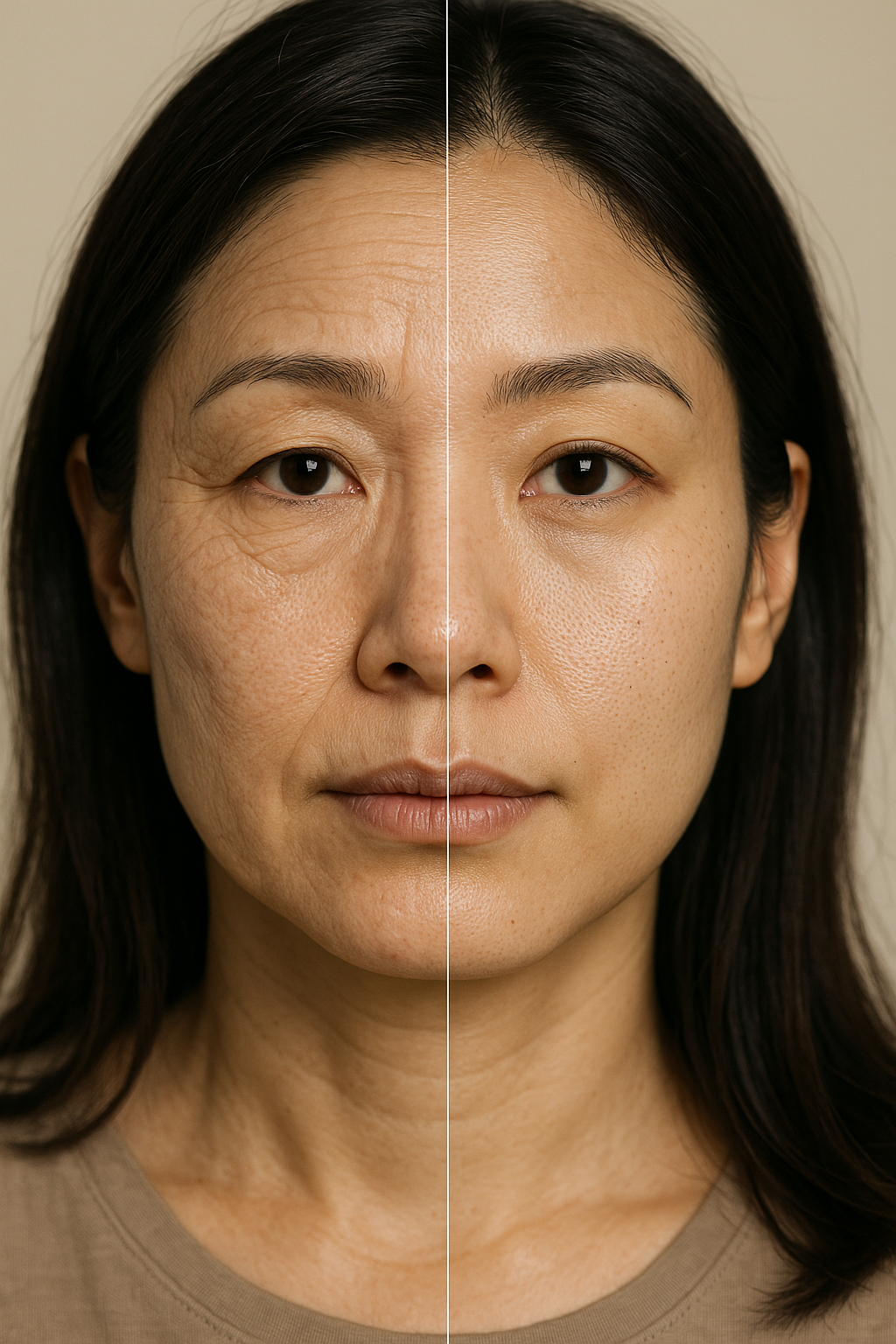
The third feature is quite a welcome strength from the perspective of aging. Even at the same age, skin supported by oil has been reported to tend to show deep wrinkles later. In other words, there is no need to feel too disappointed in yourself just because you have oily skin.
Then where do the drawbacks begin?
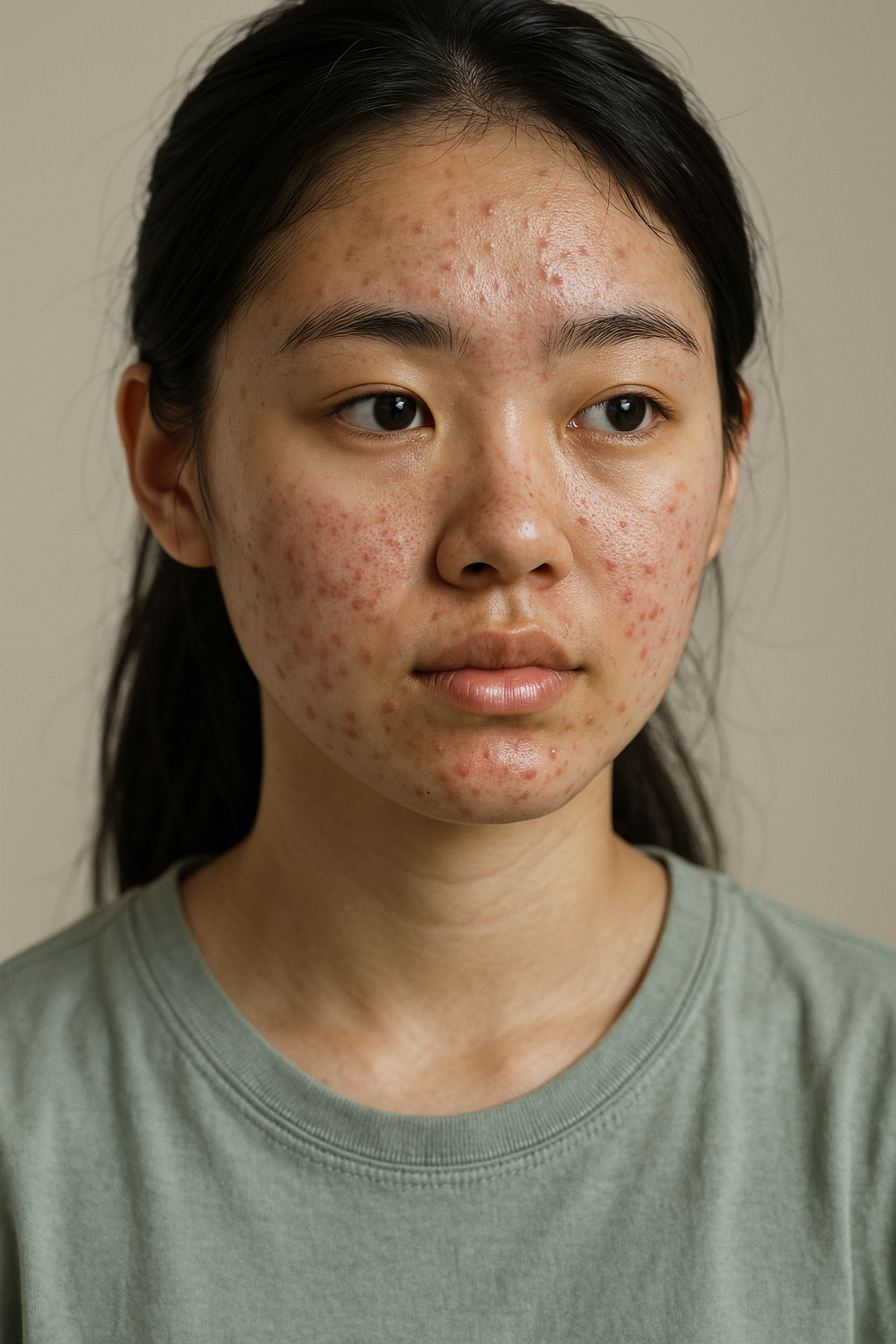
The problem arises when sebum is excessive. In moderation it is a shield, but in excess it clogs pores and becomes a breeding ground for breakouts.
- Frequent breakouts: When excess sebum clogs pores, an environment is created in which acne bacteria can easily multiply.
- Blackheads and enlarged pores: When sebum is secreted excessively, pores stretch and blackheads and whiteheads form more easily.
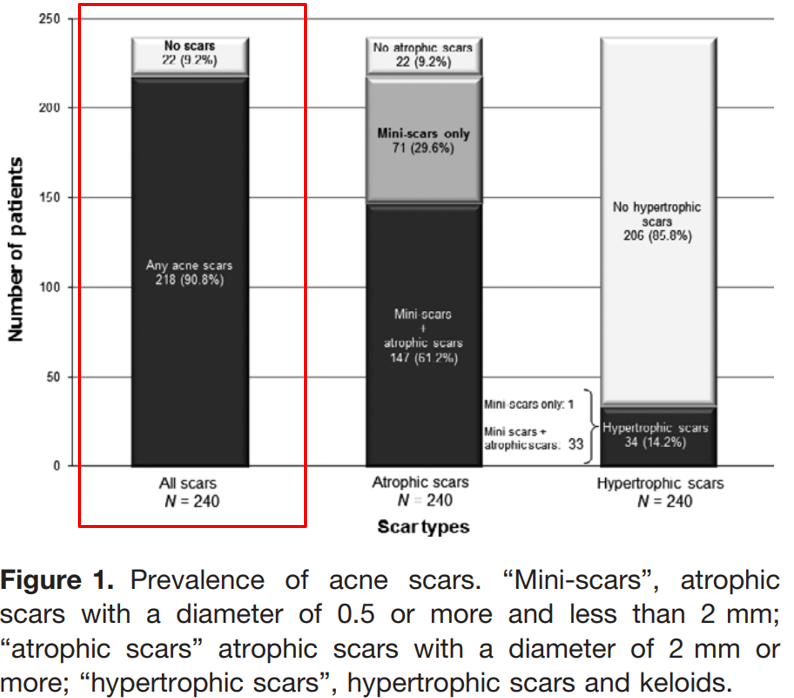
- Acne scars: It has been reported that recurring acne leaves scars in a not-uncommon number of cases. There are individual differences, but once a scar has settled, it is not easy to reverse.
Placing the strengths and drawbacks side by side, they can be summarized like this.
| Category | Oily skin | Dry skin |
|---|---|---|
| Skin barrier | Relatively sturdy | Relatively weak |
| Fine lines | Less noticeable | Prone to standing out |
| Pores and breakouts | Tend to be enlarged and frequent | Relatively few |
| Care focus | Controlling excess oil | Replenishing moisture |
When adult acne keeps recurring, I look first at the activity of the sebaceous glands themselves rather than at the visible inflammation, and I have covered this perspective in more detail in why I look at the sebaceous glands first in recurring adult acne. If you are also concerned about red marks or enlarged pores, the order I follow when looking at acne, pores and redness together may also help.
If it is hard to judge for yourself whether your skin is oily or how far your oil-moisture balance has been disrupted, feel free to ask through Consult via chat now.
The key to oily skin is ultimately oil-moisture balance
The goal of caring for oily skin is simple: remove excess oil and replenish with light moisture to restore balance. It is not about eliminating sebum altogether, but about the sense of tidying up only as much as is overflowing.
Scrubbing hard might seem to make sebum go away, but in reality it does not. In the clinic, I often see the opposite: the barrier breaks down and inflammation worsens. The principle of washing is thorough but gentle.
The care routine I recommend in the clinic
I have summarized the steps you can follow at home.
- Cleansing: Wash thoroughly but gently morning and evening with a mildly acidic foam cleanser or gel-type cleanser. Avoid washing with excessive rubbing. Cleansers containing BHA, which dissolves sebum, can also help. If you have always been confused about how to wash your face, I recommend also reading my post summarizing how best to cleanse.
- Managing dead skin cells and sebum: Use products with BHA or AHA to gently tidy up old dead skin cells and excess sebum in the pores. When needed, a scaling treatment at a dermatology clinic is also an option; in-clinic scaling such as Aquapeel falls into this category.
- Moisturizing: Instead of sticky, oily creams or oils, replenish moisture with light moisturizers such as fresh gels or lotions.
If scars have already begun to form, home care alone has its limits. I have covered the clinical approach for such cases in my post for those concerned about acne scars, so please refer to it.
Where should you focus for now?
To sum up, oily skin has welcome strengths in terms of aging but is vulnerable to breakouts. So for the time being, it is better to focus on caring for breakouts such as acne and pores. The strength of being supported by oil will only shine more as you age.
In the next post, I will continue with the other side: the pros and cons of dry skin and skin care strategies. If your skin type is ambiguous or you are at a loss as to where to start, please press Consult via chat and feel free to contact us.
Author: Dr. Cho Mingyeol, Medical Director (board-certified dermatologist; Master Certification in Pigmentation, Acne, Rosacea and Hair from the Korean Dermatologists Association). You can find the full profile on the Medical Team page. First published 2025-04-01 / Last reviewed 2026-07-09
This article is intended for general information only; the appropriate treatment and outcomes may vary depending on each individual's condition.