

People keep coming to the clinic saying that a small spot of pigment near their left eye has gradually widened over several years. The case I am introducing today was one of them. Because it was close to the eye, this was a consultation in which I spent longer explaining the process of keeping the pigment from returning after removal than the removal itself.
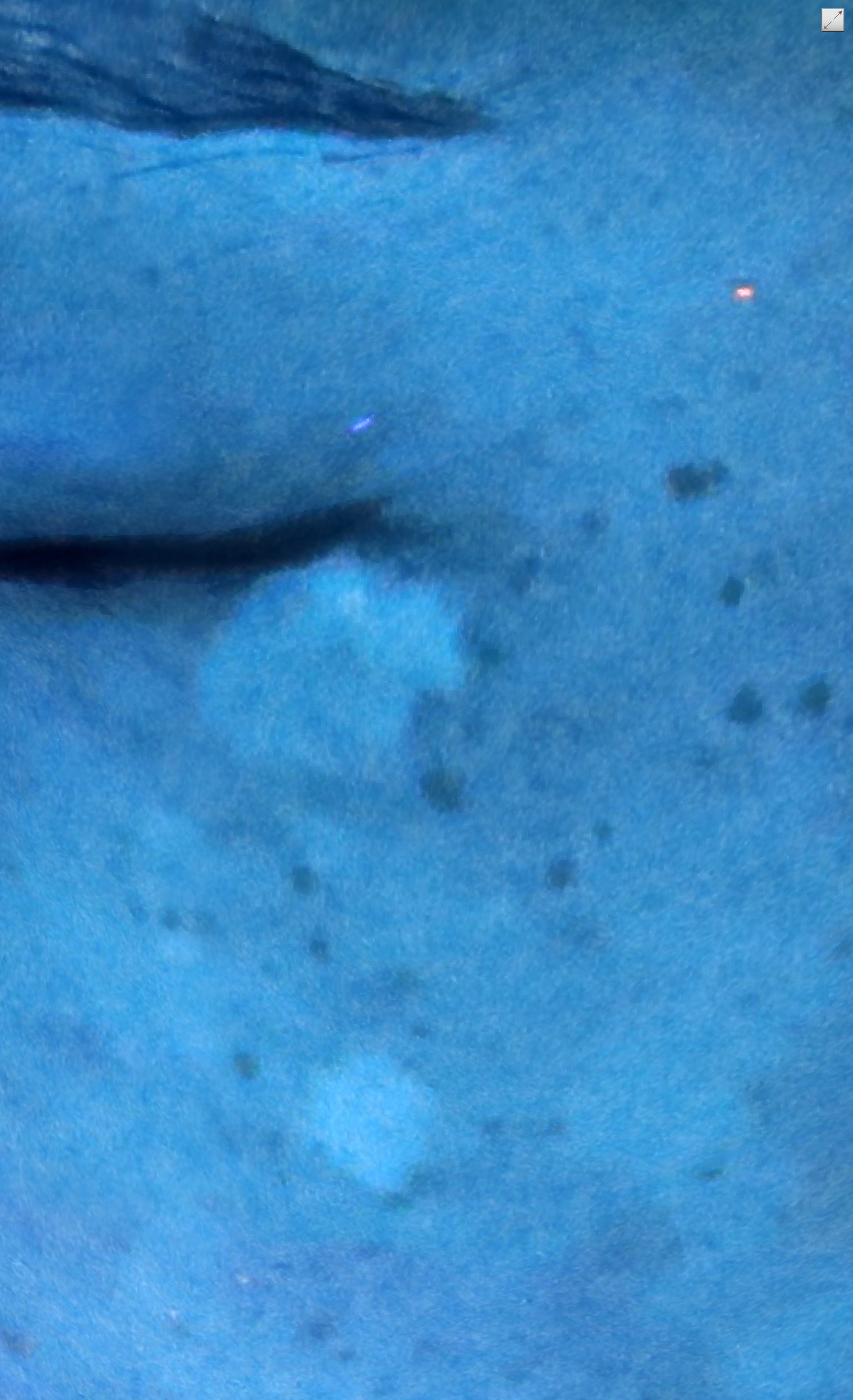
A lentigo that grew near the left eye in a patient in her late 30s
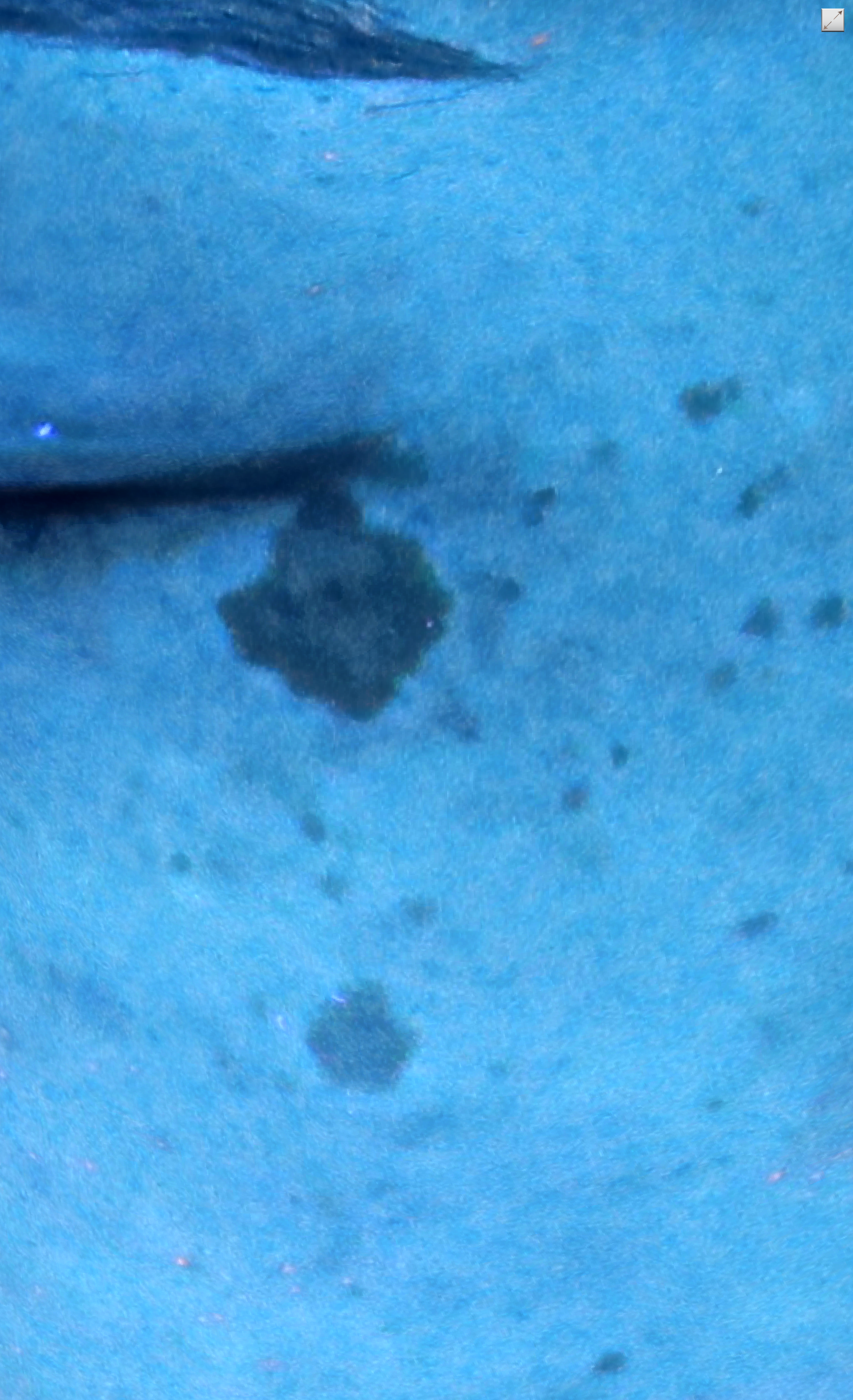
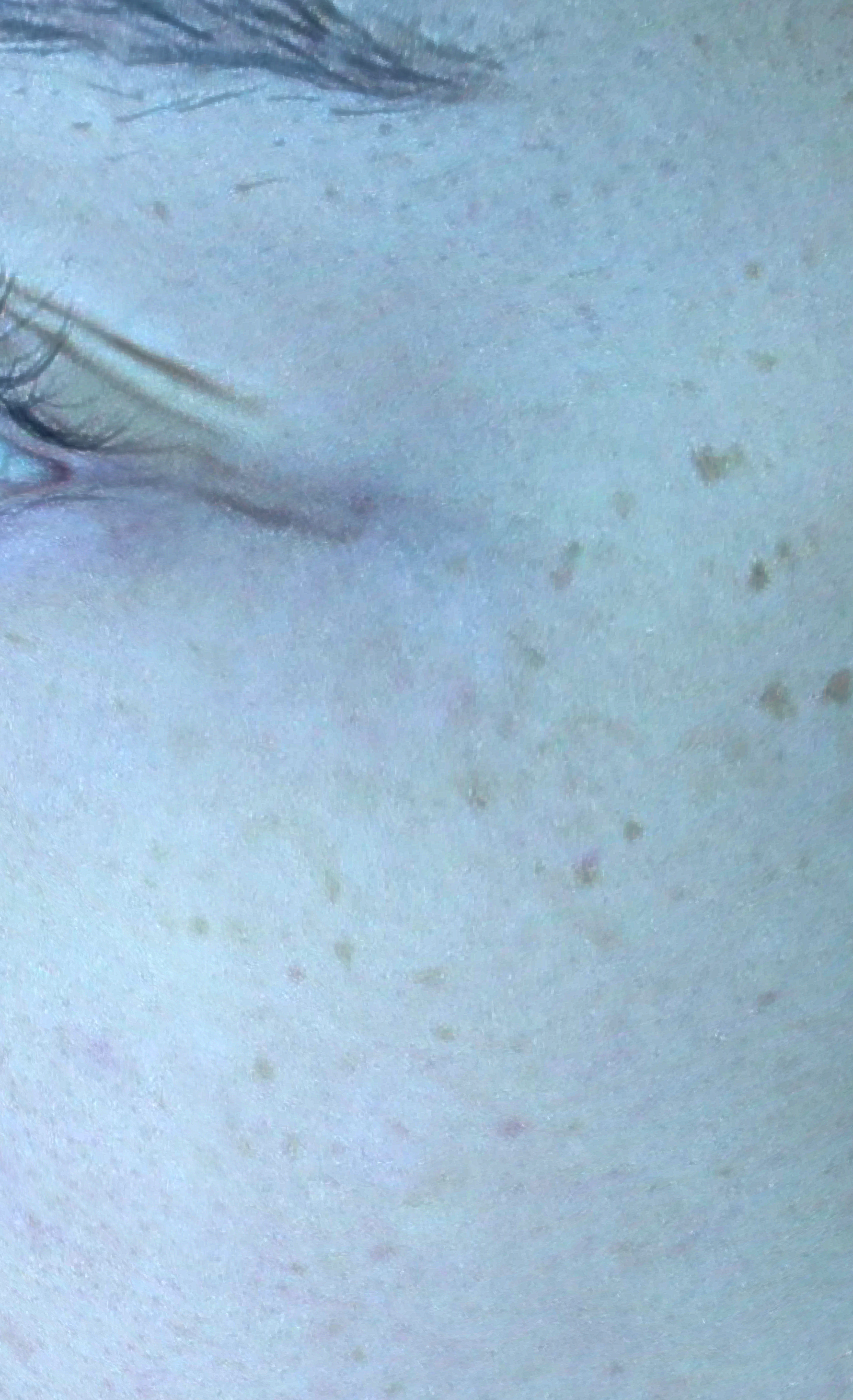
A female patient in her late 30s visited the clinic. A lentigo near her left eye, which first appeared in her early 30s, had gradually grown larger over time. Rather than appearing suddenly, lentigines often darken and widen slowly over several years like this.
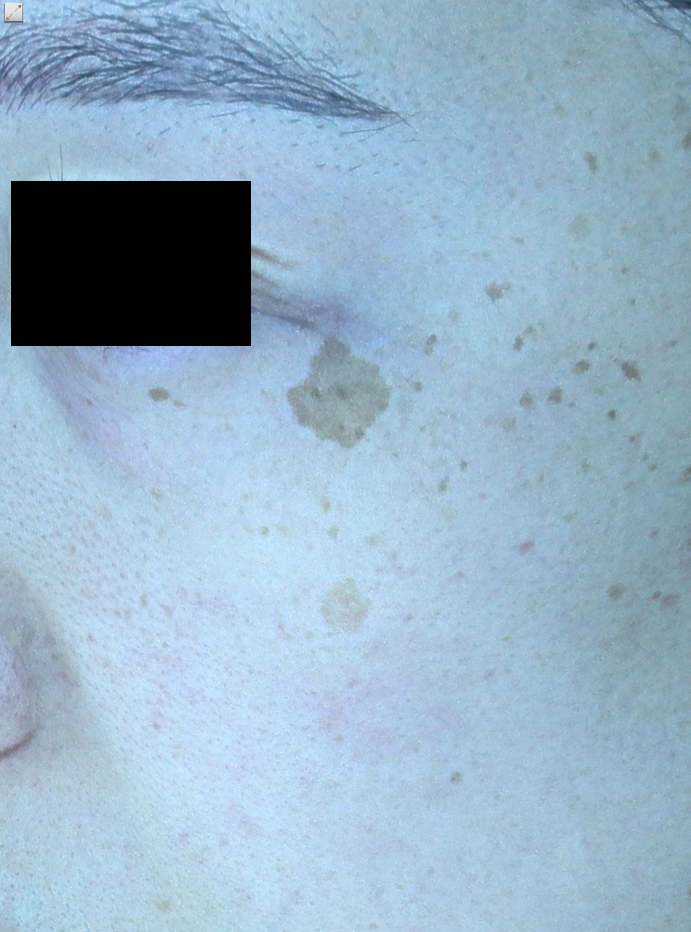
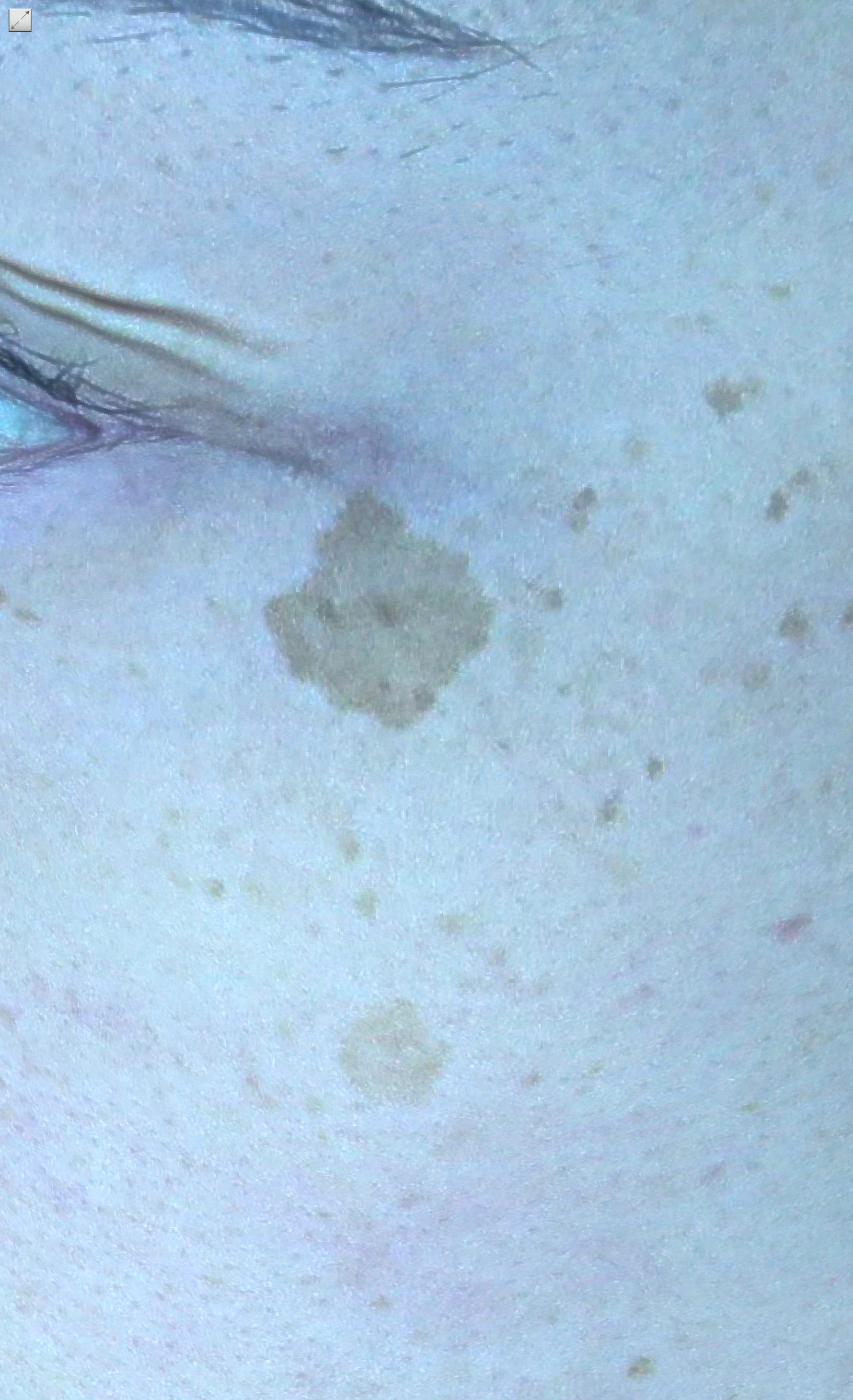
The key point of this case was that it was close to the eye. Even for the same lentigo, the approach changes depending on where it is. The skin around the eyes is thin and sensitive to stimulation, so when I first saw it, I too judged that treatment would not be simple.
Why is eye-area lentigo approached more cautiously?
Areas close to the eye, such as the eye area, involve some difficulty in the procedure itself, but more than that, one has to be wary of the pigment response after the procedure. This is because in this area, pigmentation, including melasma, can actually worsen after laser stimulation. If you leave a new pigment burden in the surroundings while trying to remove a lentigo, from the patient's point of view more is lost than gained.
So when I treat pigmentation around the eyes, I check the following first.
- How close the lesion is to the eyelid, and how thick the skin is
- How far the wavelength and energy can be lowered to reduce stimulation of the pigment
- Whether there is room for post-inflammatory hyperpigmentation to develop after the procedure
- Whether it is safer to approach in several steps rather than finishing in one session
I base these judgments not on how quickly the lentigo can be removed, but on how the treated area heals. I explain more about why I consider cooling and wavelength selection first around the eyes in my post on why I apply instant cooling at the same time.
Why I approached it with the Reepot laser
In this case I used the Reepot laser. Lentigo tends to come back when only the surface is lightened, so I consider both the depth where the pigment sits and the wavelength. In a sensitive area such as around the eye, rather than going strong all at once, I chose to treat it carefully while watching the response.
In treating lentigo, I look not only at "how much was removed" but equally at "how little burden was left on the surrounding skin." Around the eyes in particular, this balance decides the outcome.
I have explained histologically why I do not finish lentigo treatment with toning alone, and the background to why I consider the wavelength first, in Why I look at the wavelength before toning, so it would be good to refer to it as well.
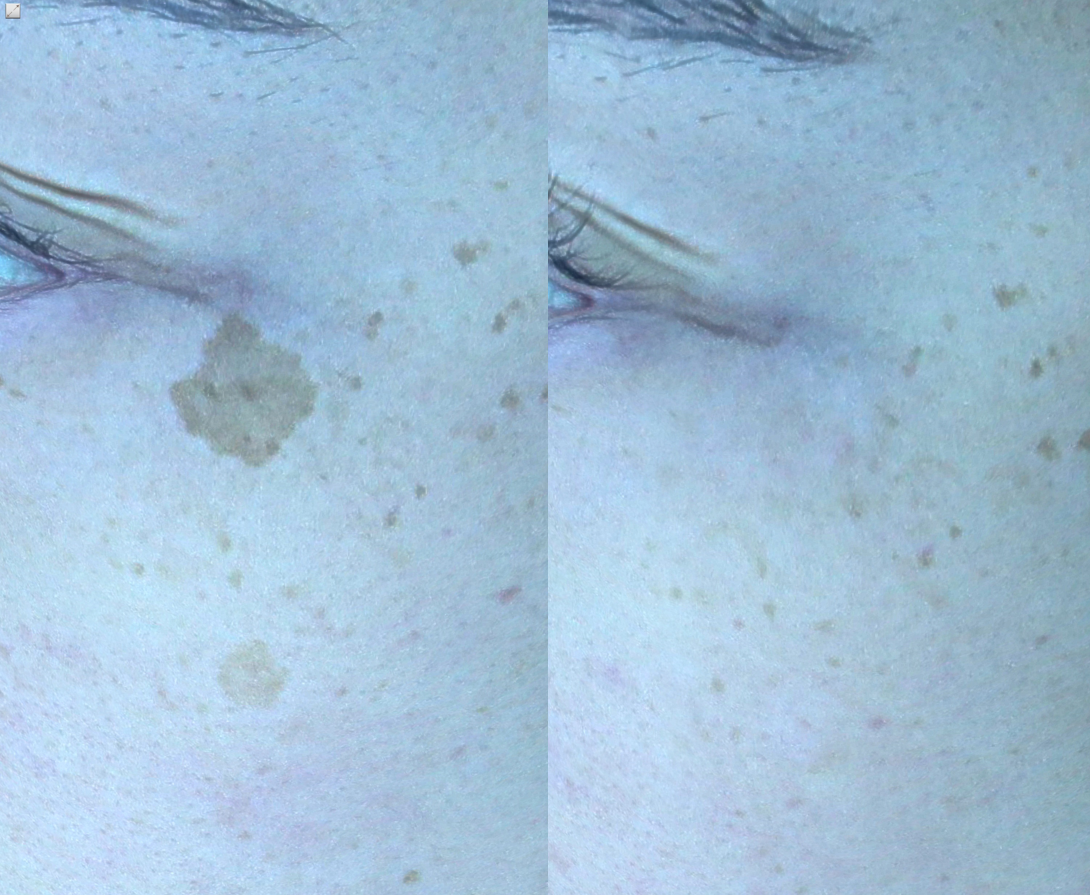
If you are unsure whether the pigment around your eyes is a lentigo or some other kind of pigment, please do not conclude based on photos alone; you are welcome to ask first via Consult via chat now.
What comes after removal matters more
The part I emphasize most in lentigo treatment is care after the procedure. Especially in areas where pigment can worsen, such as around the eyes, I believe the procedure is not the end, and that the aftercare that follows determines the result. Even after the procedure, I continue aftercare using several treatment options together so that melasma does not worsen.
| Timing | Direction I attend to in the clinic |
|---|---|
| Right after the procedure | Reduce stimulation and prioritize cooling and soothing |
| Early recovery | Observe and respond to any room for post-inflammatory hyperpigmentation |
| Ongoing care | Combine options so that pigment does not return |
If you would like to know more about this step-by-step care, I recommend reading The four stages of wound healing after laser treatment and Addressing post-inflammatory hyperpigmentation from the early stage together. If your eye-area lentigo has recurred for a long time, A record of an eye-area lentigo that had recurred for more than 10 years may also be helpful.
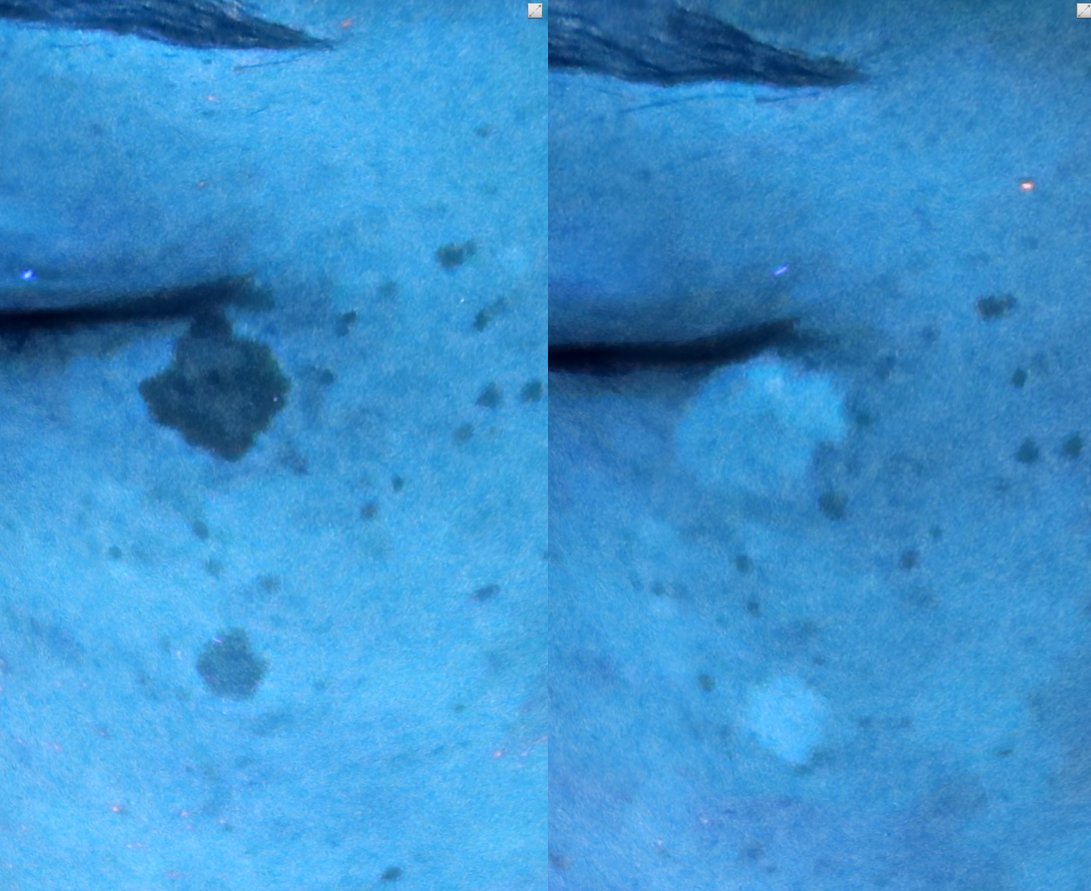
So can you come in with peace of mind?
With eye-area lentigo, protecting the treated spot is as important as removing the pigment. I do tell patients in advance that pigment can worsen after the procedure, but because I plan the aftercare together with that possibility in mind, I do not think you need to be more afraid than necessary. Of course, there are individual differences in response and recovery speed, so the safest approach is for me to look at your condition directly and set the direction.
If pigmentation around or under your eyes concerns you, I recommend having it checked in the clinic rather than making an uncertain judgment on your own. Please feel free to leave any questions via Consult via chat . Costs vary depending on the location and extent of the lesion, so they are explained after the consultation.
Author: Dr. Cho Mingyeol, Medical Director (board-certified dermatologist; Master Certification in Pigmentation, Acne, Rosacea and Hair from the Korean Dermatologists Association). You can find the full profile on the Medical Team page. First published 2024-12-30 / Last reviewed 2026-07-09
This article is intended for general information only; the appropriate treatment and outcomes may vary depending on each individual's condition.