

In pigment consultations in the clinic, I often meet people who come in with a dark spot on the front of the cheek that remains just as it was even after receiving toning for quite a long time. The case I will introduce this time was one of those. Rather than repeatedly asking "why won't it go away?" about the same spot, there are moments when it is better to recheck the nature of the lesion and change the direction of treatment.
The front cheek of a patient who had received toning for a long time
A man in his early 50s came in with lentigo on his left front cheek. He said that he had been steadily receiving toning elsewhere, but while the color seemed to fade somewhat, the lesion itself had not disappeared. When we actually magnified the area, it showed the pattern of a brown spot with relatively distinct borders and uniform tone.
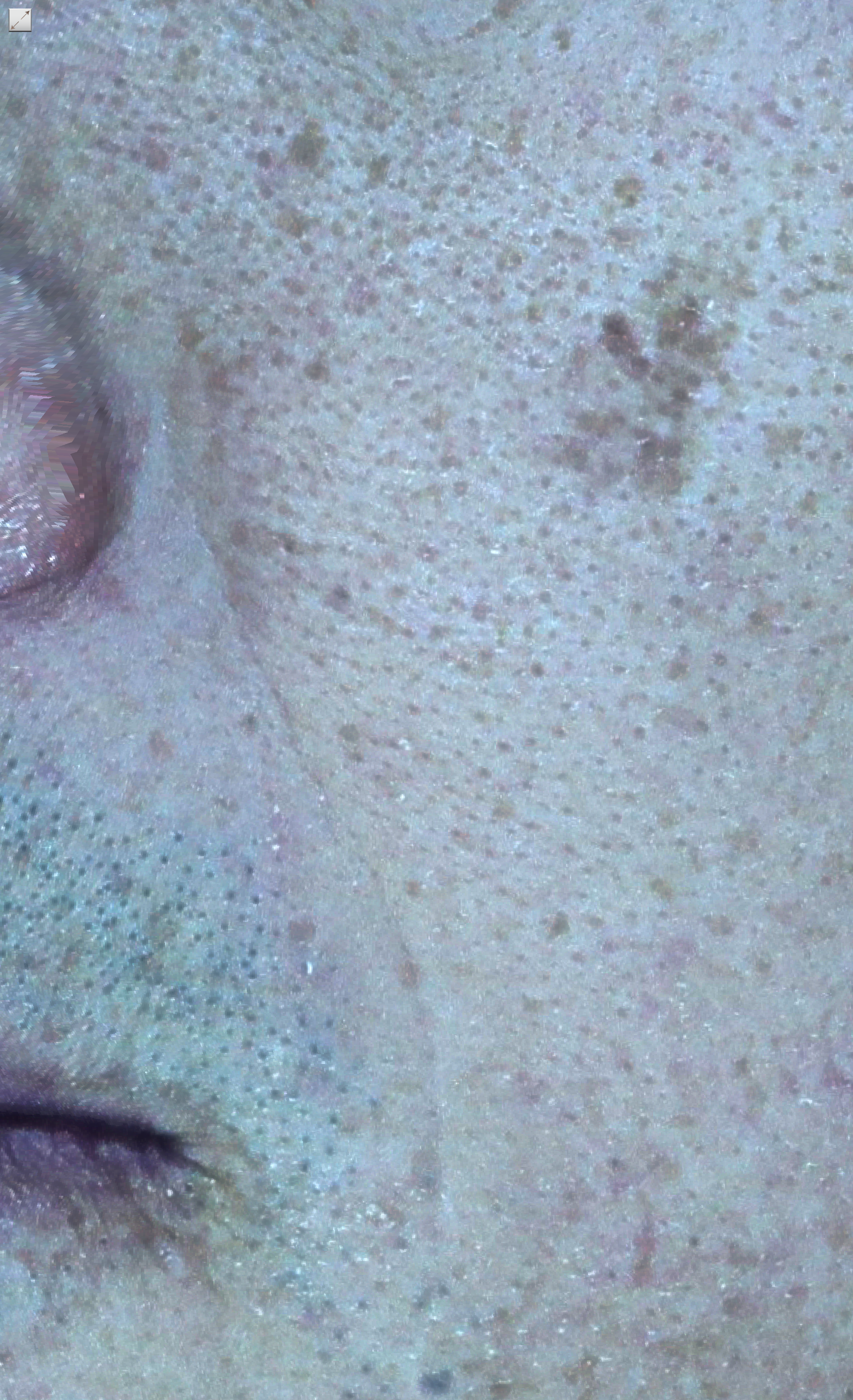
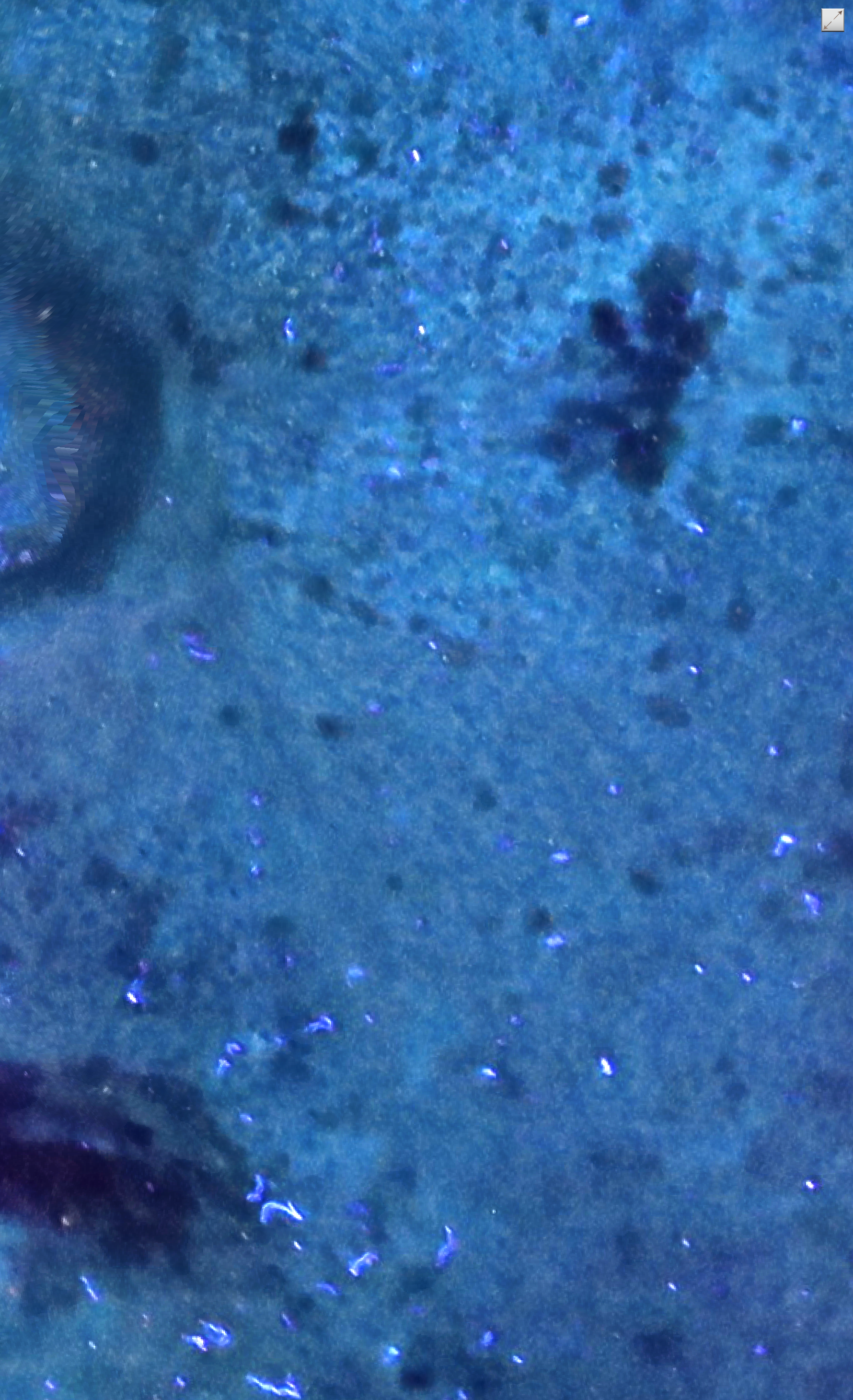
When I see a lesion like this, I first go back and ask, "Is this really pigment to be treated with toning?" Even if they are the same brown, melasma, blemishes, and lentigo differ in the depth at which the pigment sits and in their epidermal structure, so the approach must differ as well. When the differential diagnosis from seborrheic keratosis or other pigmentary disorders is confusing, it helps to refer to my post summarizing pigmentary disorders easily confused with age spots.
Why is lentigo hard to clear with toning?
Lentigo is not simply a state in which pigment sits on top; it is a pigmentary disorder accompanied by structural changes in the epidermis itself. Because the cells that make melanin and their pigment are structurally established within the epidermis, a toning method that builds up low energy in many divided sessions does not clear that background, and the color tends to remain or come back.
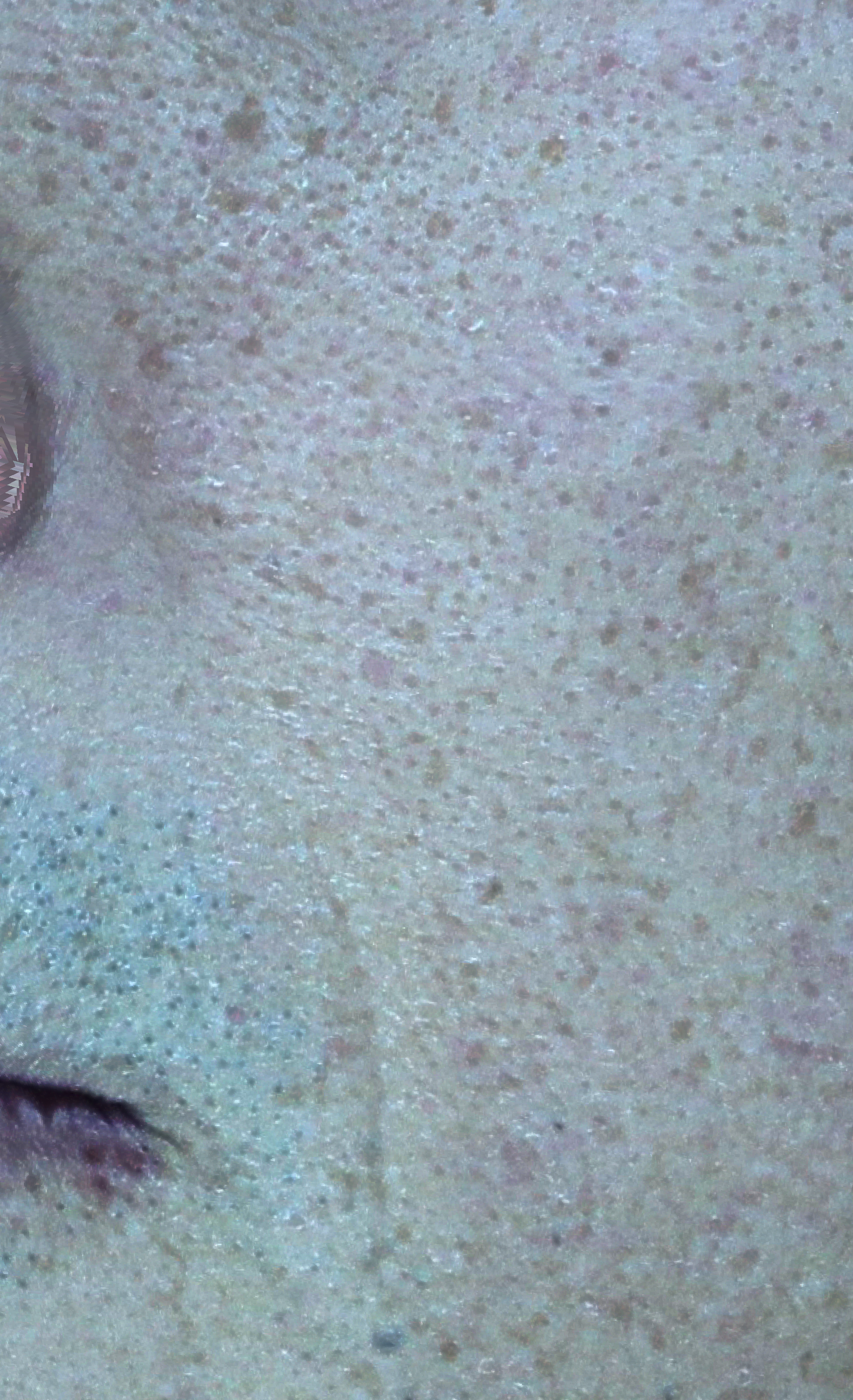
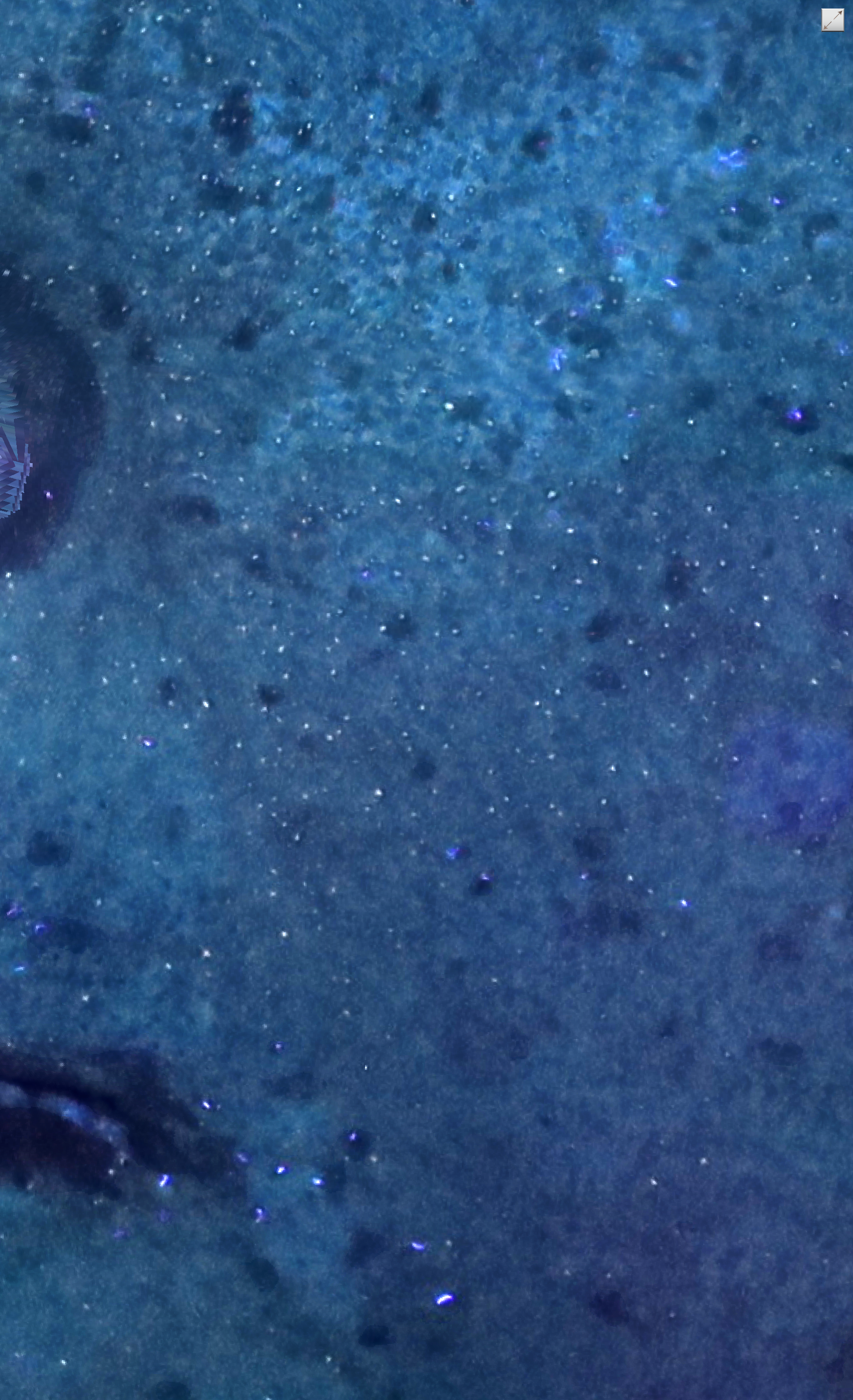
Fading color does not mean the lesion has disappeared. Pigment with altered epidermal structure can darken again if its background remains, even when the surface melanin has been removed.
If you would like to look at this principle more deeply from a histological perspective, you can continue with my post on the histological background of lentigo and my post explaining why pigment comes back even when only epidermal melanin is cleared. I have summarized cases of people who were disappointed with the results after long-term toning in my post on the limits of pico toning in stubborn pigmentation.
Toning and a targeted approach: what is the difference?
Even with the same laser, the character differs depending on the purpose and which pigment is targeted. The table below is the big picture I use when explaining in the clinic.
| Category | Target | Limits and role in lentigo |
|---|---|---|
| Laser toning | Faint melanin spread across the epidermis | Tone fades, but structural lesions may remain |
| Targeted laser | Pigment concentrated in the lesion area | Direction matched to lesions with distinct borders, such as lentigo |
- Toning has a strength in refining faint pigment spread over a wide area.
- Conversely, for lentigo with distinct borders, an approach that directly targets the lesion is often a better fit.
- However, the judgment differs depending on each person's lesion depth and skin condition, so diagnosis comes first in deciding which method is right.
If you are curious how the laser itself acts on pigment, you can find the background in my post on the laser principles of lentigo treatment, and the device used in this case can be found in the Reepot laser information.
If pigment that has lingered for a long time is bothering you, feel free to start by asking about the state of your lesion through consult via chat now.
The criteria for changing direction in this case
In this patient's case, the first clue was that the lesion remained even after receiving toning for a considerable period. Putting this together with the borders of the lesion and the uniformity of its tone seen under magnification, there were sufficient grounds to judge it as lentigo with altered epidermal structure. So rather than repeating the same method, we changed direction and proceeded with treatment using the Reepot laser, which directly targets the lesion.
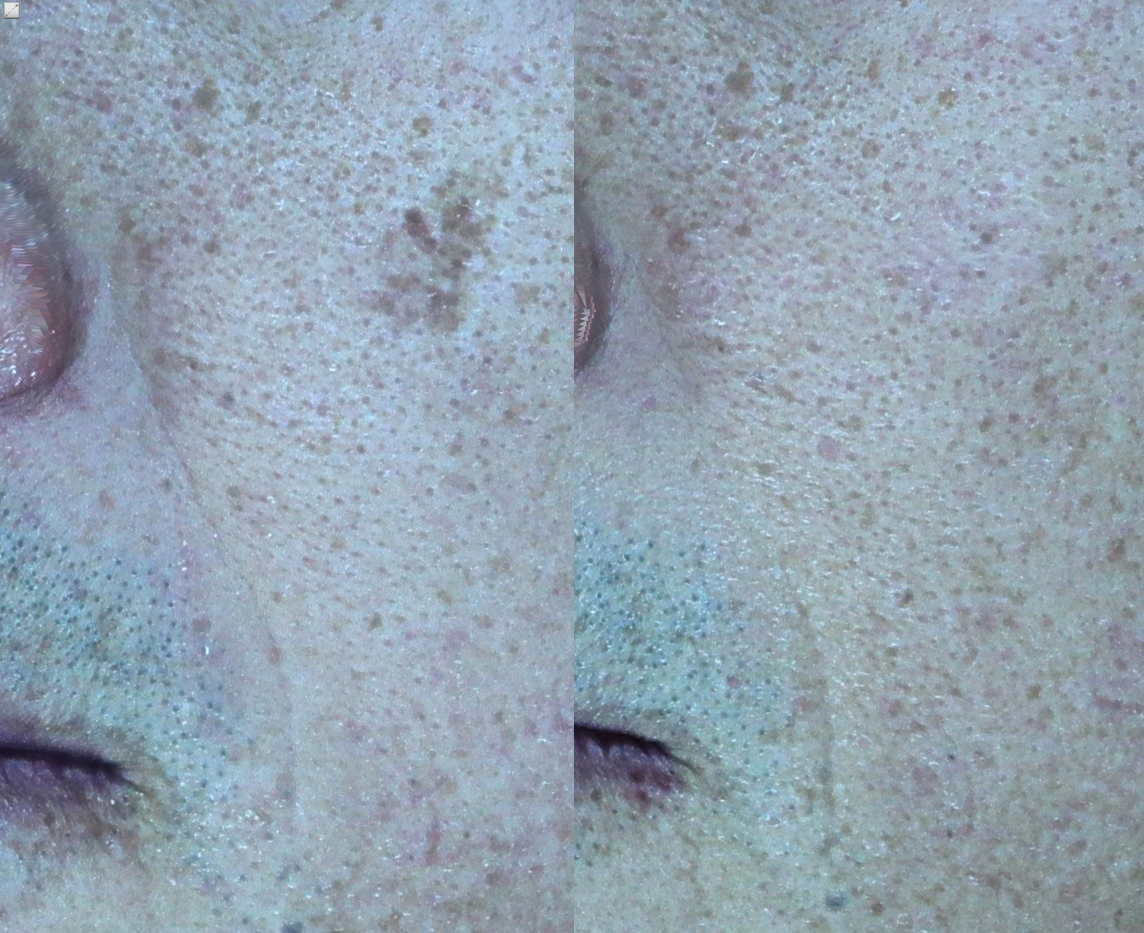
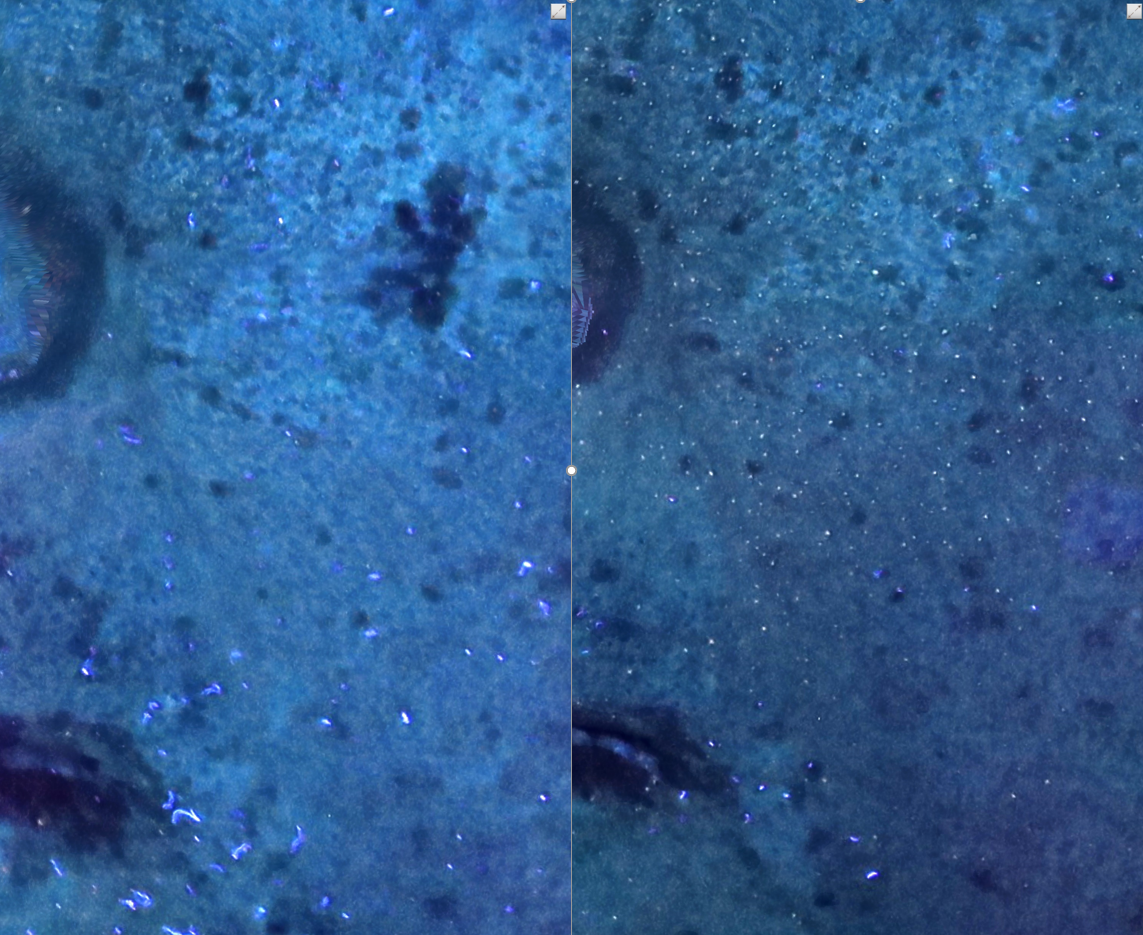
Of course, response and recovery speed vary from person to person. The number of sessions needed and the course may differ depending on the depth of the lesion, skin type, and tendency toward hyperpigmentation, so it is safer to set a tailored treatment plan after diagnosis.
What is easy to miss in post-treatment care
In pigment treatment, there are quite a few cases in which the care afterward determines the outcome more than the laser itself. Especially after treatment that addresses the epidermis, as with lentigo, sun protection and minimizing irritation are key to reducing recurrence and hyperpigmentation.
- Do not rub or irritate the treated area until it has fully calmed down
- Be thorough with sun protection when going out
- Even if color seems to flicker during recovery, do not judge on your own; observe the course
I have covered specific methods of post-treatment care in detail in my post summarizing regeneration and care tips after lentigo removal, so if you are planning treatment, I recommend reading it as well.
Why I recommend diagnosis first
Lentigo may look like a common brown spot on the outside, but it can be a structural pigmentary disorder that is hard to clear with toning alone. That is why I recommend checking "what this lesion is" before asking "which laser should I get?" Rather than repeating ineffective treatment on the same spot, it is better in terms of both time and results to set a direction suited to the lesion after a dermatologist's diagnosis.
If pigment that has lingered for a long time is a concern for you, you are welcome to start by asking about your current condition via Consult via chat.
Author: Dr. Cho Mingyeol, Medical Director (board-certified dermatologist; Master Certification in Pigmentation, Acne, Rosacea and Hair from the Korean Dermatologists Association). You can find the full profile on the Medical Team page. First published 2025-03-29 / Last reviewed 2026-07-09
This article is intended for general information only; the appropriate treatment and outcomes may vary depending on each individual's condition.