

After a lentigo has been removed with the Reepot laser, the lesion may look healed on the surface, but underneath, regeneration is still well under way. In the clinic, I explain that home care during this period largely determines the final result, especially whether hyperpigmentation remains. Today I would like to summarize the direction of care I recommend to patients around two weeks after lentigo removal, and why I recommend it.
Why care during this period determines the result
Right after a moist dressing such as DuoDERM is removed, the skin is in a sensitive state with a thinned barrier. Each irritation applied at this time changes the direction of regeneration. According to academic society materials, repeated friction and UV exposure on regenerating skin are reported to delay recovery and increase the likelihood that pigment remains. So the goal for the first month is simple: reduce irritation and replenish moisture.
The less irritation, the lower the risk of hyperpigmentation remaining. During this period, care that touches the skin less works better than elaborate care.
How should you cleanse safely?
Cleansing is where mistakes most often happen. The steps can be summarized as follows.
- Work a mildly acidic, low-foaming gel-type cleanser into a sufficient lather in your hands.
- Wash by rubbing gently, as if just resting it on your face.
- Rinse several times with lukewarm water so that no residue remains.
- Do not rub with a towel; pat gently to remove moisture.
Tools that create a lot of friction, such as cleansing water, electric brushes and cleansing wipes, are best avoided during this period. Excessive cleansing can itself damage the skin barrier and cause hyperpigmentation. For one month after the procedure the barrier is weakened, so heavy makeup is also a burden. Friction when drying off is likewise a common cause of hyperpigmentation, so I recommend making a habit of patting dry gently with a soft towel in everyday life too.
Ingredients to avoid for a month, and what you can apply
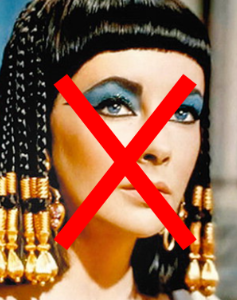
Functional ingredients for whitening or anti-aging help in normal times, but they can act as irritants on sensitive regenerating skin. Summarizing them in a table makes the distinction easy.
| Category | Products | Recommendation for this period |
|---|---|---|
| Avoid for one month | Functional cosmetics containing retinol, retinoids, vitamin C, AHA or BHA; whitening creams; retinol eye creams | Risk of irritation |
| Avoid for one month | Vitamin A derivative prescriptions such as Stieva-A, Differin and Aklief | Risk of irritation |
| Recommended for this period | Repair creams, moisturizers, low-irritation sunscreens | Gentle protection |
If your eye cream contains retinol, please take a break from it for a while too. For one month, focusing care on repair creams and moisturizers that gently envelop the skin is better for recovery.
Moisturizing and sun protection: do not miss either pillar
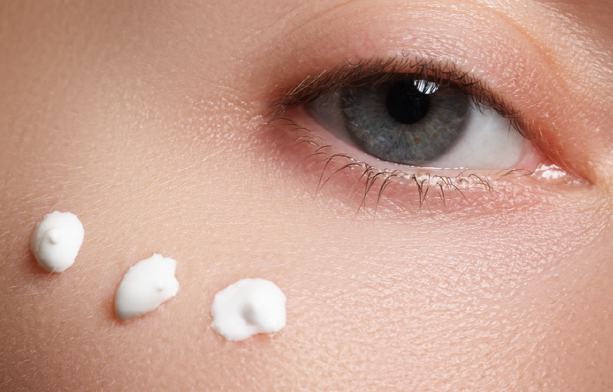
The area where the lentigo was removed has not yet fully regenerated, so it loses moisture easily. That is why it is important to apply repair cream after cleansing, before and after going out, and before bed, and to reapply it whenever you feel dryness so that it never dries out.
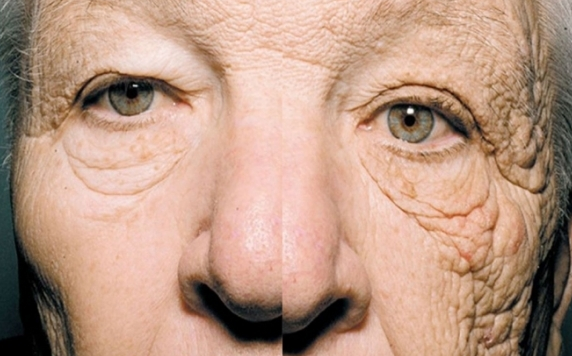
UV light is the biggest factor causing hyperpigmentation at the treated site. When going out, use a light sunscreen (SPF 30-50) and reapply it every 2-3 hours. However, rather than relying on sunscreen alone, it is much more reliable to also use tools that block sunlight itself, such as a hat or parasol. UV light enters through windows even indoors, so do not let your guard down. I have covered the principles of reducing hyperpigmentation in a little more detail in Lifestyle habits that prevent hyperpigmentation in advance.
If care feels overwhelming, it is safer to have your condition checked than to judge on your own. Consult via chat now
Hydration and sleep: inner care as important as outer care
Skin regeneration is not completed by what you apply on the outside alone. Hydration and rest inside the body also play a part.

- Drink at least 8 glasses of water a day consistently to replenish moisture in your skin.
- Caffeinated drinks can cause fluid loss, so it is better to replace them with water or herbal tea.
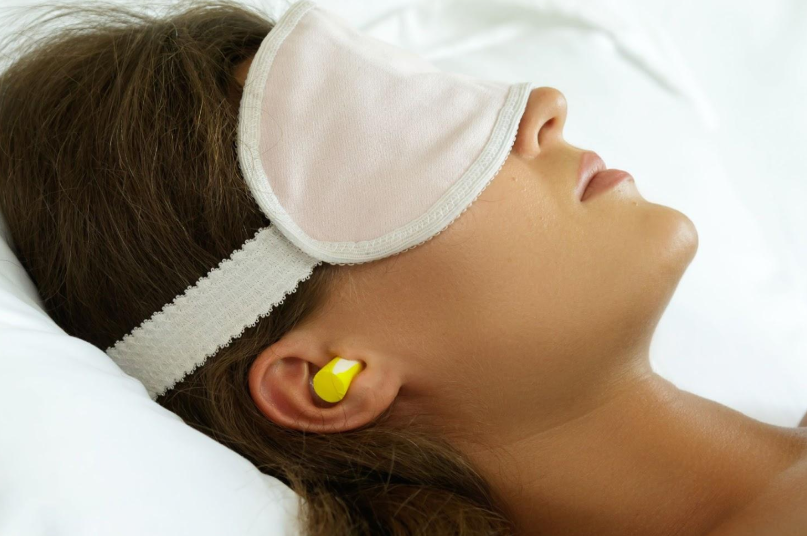
- Secure enough sleep, 7-8 hours a day.
- Reduce the use of electronic devices before bed to improve sleep quality.
Hydration forms the basis for building the skin's strength to regenerate itself. The skin recovers by producing collagen during sleep, so sleeping well is itself a form of care.
Do not touch it, and how to soothe it
It is best to avoid touching or rubbing the treated area with your hands. Touching it repeatedly increases the risk of bacterial infection, inflammation and hyperpigmentation. Even if you feel itchy, do not scratch; soothe it with a cold pack or repair cream instead. Another option is to protect the treated area with medical silicone tape. Silicone tape is known to help regeneration and scar prevention, so it may be worth using depending on the situation. If you are curious about the principles of post-laser care, please also refer to About care after lentigo laser treatment and How to care for your skin after lentigo removal with the Reepot laser.
In these cases, do not hold out at home; come to the clinic
In most cases, the care above is enough for a good recovery, but if you see the following signs, it is safer to stop self-care and see a doctor.
- When redness spreads or deepens
- When fluid keeps oozing
- When warmth or severe swelling gets worse
The faster the early response, the better you can prevent the lesion from worsening and reduce the risk of hyperpigmentation. The bigger picture of UV and pigment management continues in Lifestyle care that prevents melasma and pigment from worsening. If you would like to know more about the Reepot laser used for lentigo removal, please also check the device introduction.
In closing
Care after lentigo removal is simple when you look at each step, but those small habits add up to the final result. The directions I have summarized today are principles that help protect your skin not only after lentigo removal but also in everyday life. If you practice them consistently without overdoing it, they will help you recover to clear, healthy skin. The direction of care may differ depending on each person's condition, so please feel free to ask if you have any questions.
Consult via chatAuthor: Dr. Cho Mingyeol, Medical Director (board-certified dermatologist; Master Certification in Pigmentation, Acne, Rosacea and Hair from the Korean Dermatologists Association). You can find the full profile on the Medical Team page. First published 2025-02-17 / Last reviewed 2026-07-09
This article is intended for general information only; the appropriate treatment and outcomes may vary depending on each individual's condition.