

Many people bring up functional cosmetics in the clinic. They are usually already using one or two, and they ask what they should add. In those moments, rather than piling on another expensive product, I recommend using one ingredient that already has a solid body of evidence, and using it properly. Today I would like to talk about a cream containing trifarotene, which often comes to mind when acne, pigmentation and fine lines appear together.
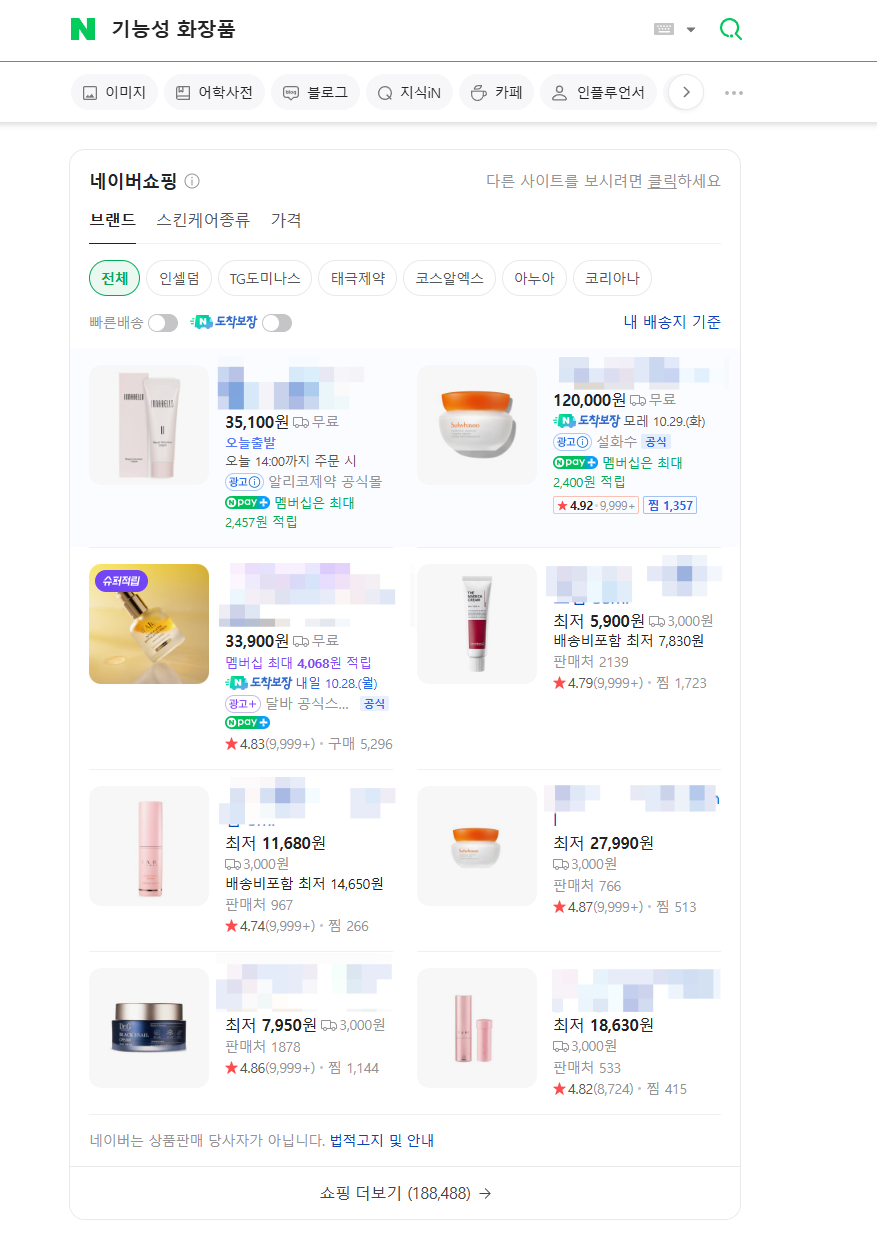
If you search for functional cosmetics, the range is wide, from products costing a few thousand won to a few hundred thousand won. But looking at it ingredient by ingredient, there is already an ingredient that targets acne, hyperpigmentation, melasma and even fine lines at once. What matters is that it goes beyond the category of simple cosmetics and has a body of accumulated research. Results vary from person to person, but the direction itself rests on relatively solid evidence.
Why have I stopped recommending Stieva-A?
At one time, many people asked for Stieva-A. It was a cream containing tretinoin, a first-generation retinoid. It has since been discontinued, but some people still look for this cream from memory. I now tell them there is no need to insist on Stieva-A, because there is an ingredient from a newer generation.

The ingredient I often bring up is trifarotene, a fourth-generation retinoid. In Korea, it is available as a cream called Aklief.
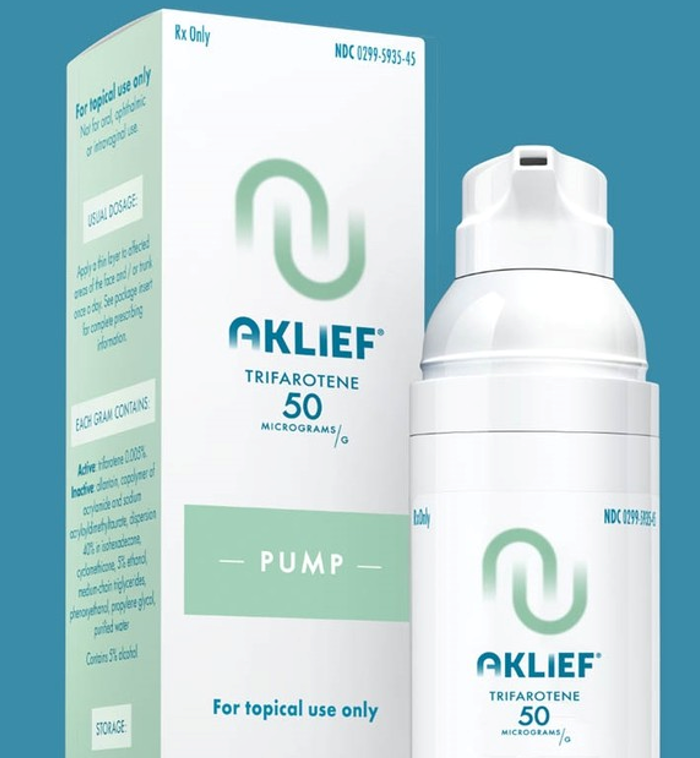
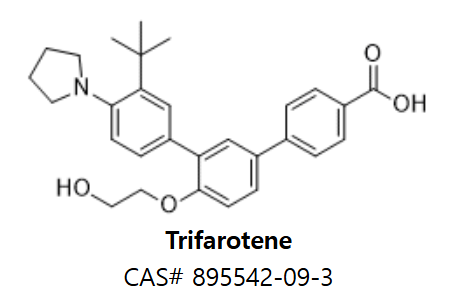
The differences between generations are easy to grasp when summarized in a table.
| Category | 1st generation: tretinoin | 4th generation: trifarotene |
|---|---|---|
| Receptor selectivity | Acts broadly on several receptors | Binds selectively to the RAR-gamma receptor |
| Early irritation | Relatively strong | Reported to be relatively milder |
| Target range | Mainly acne | Acne, pigmentation and fine lines together |
| Ease of use | Burdensome at first use | Relatively easy to start, even for first-time users |
Just as there is no reason to insist on a first-generation device in an era when the 16th generation of smartphones has been released, the difference a generation makes is clear in ingredients too. However, with any retinoid, the response varies depending on an individual's skin condition.
What do retinoids do inside the skin?
Retinoids bind to retinoid receptors inside the nucleus of keratinocytes. This binding activates genes involved in cell differentiation, changing the course of cell proliferation and inflammation, and as a result creates a foothold for addressing acne, hyperpigmentation and fine lines together.
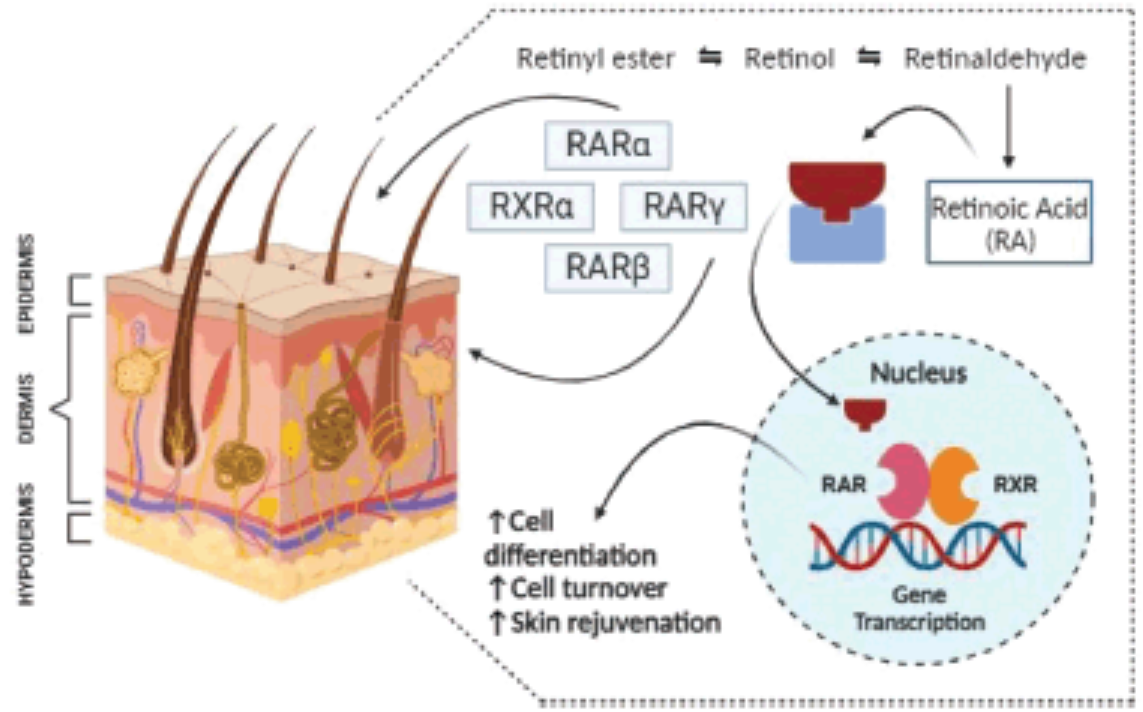
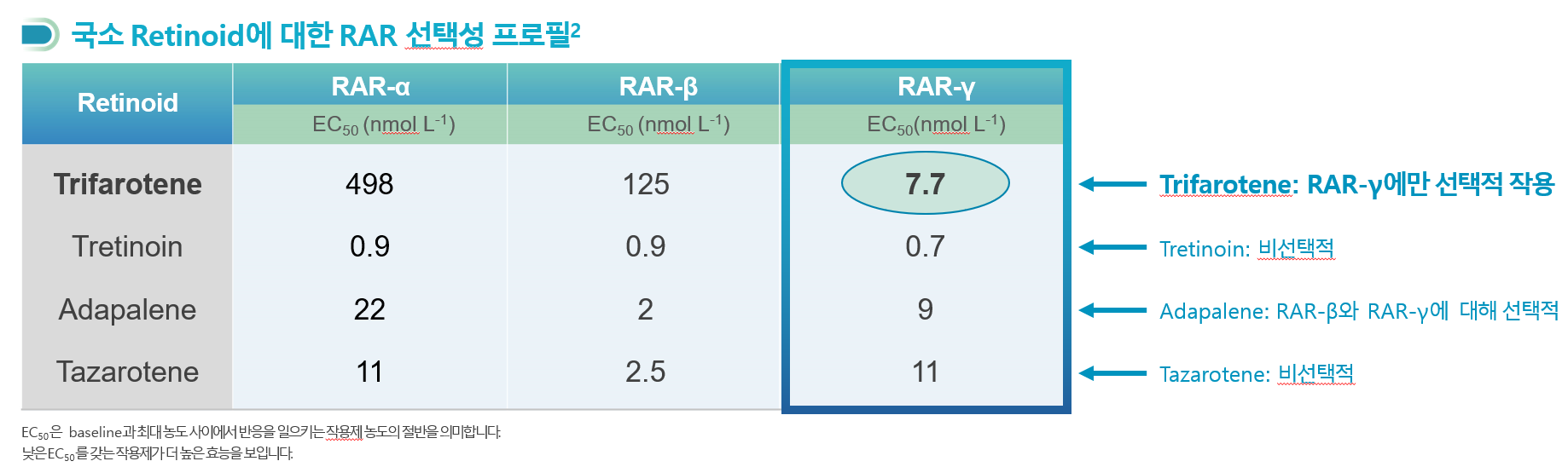
What sets fourth-generation retinoids apart from earlier generations is selectivity. Trifarotene is known to have about 20 times higher selectivity for the RAR-gamma receptor, which is abundant in keratinocytes. Thanks to this selectivity, it is reported to be relatively less irritating with fewer side effects. Of course, the degree of irritation differs from person to person.
Why I make this ingredient the baseline when treating acne
Acne starts from a process in which sebum and dead skin cells clog the pores and inflammation develops. Trifarotene acts on the front end of this process.
- It promotes the migration and differentiation of keratinocytes, helping them shed normally.
- It reduces the buildup of sebum in the pores, easing comedonal acne such as whiteheads and blackheads.
- As the sebum and debris accumulated on the surface are cleared, it also helps calm inflammatory acne.
If you are curious why acne keeps recurring and what comes first, reading my post on the fundamental mechanism of how acne forms together with Why I look at the sebaceous glands first in recurring adult acne will make the picture clearer.
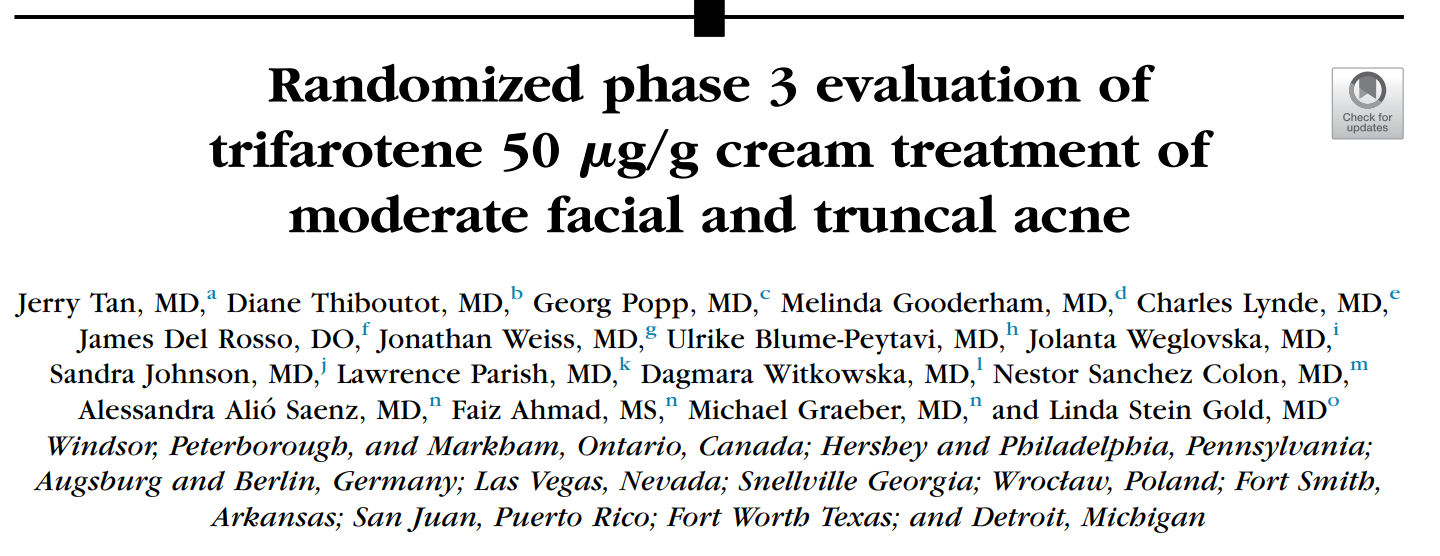
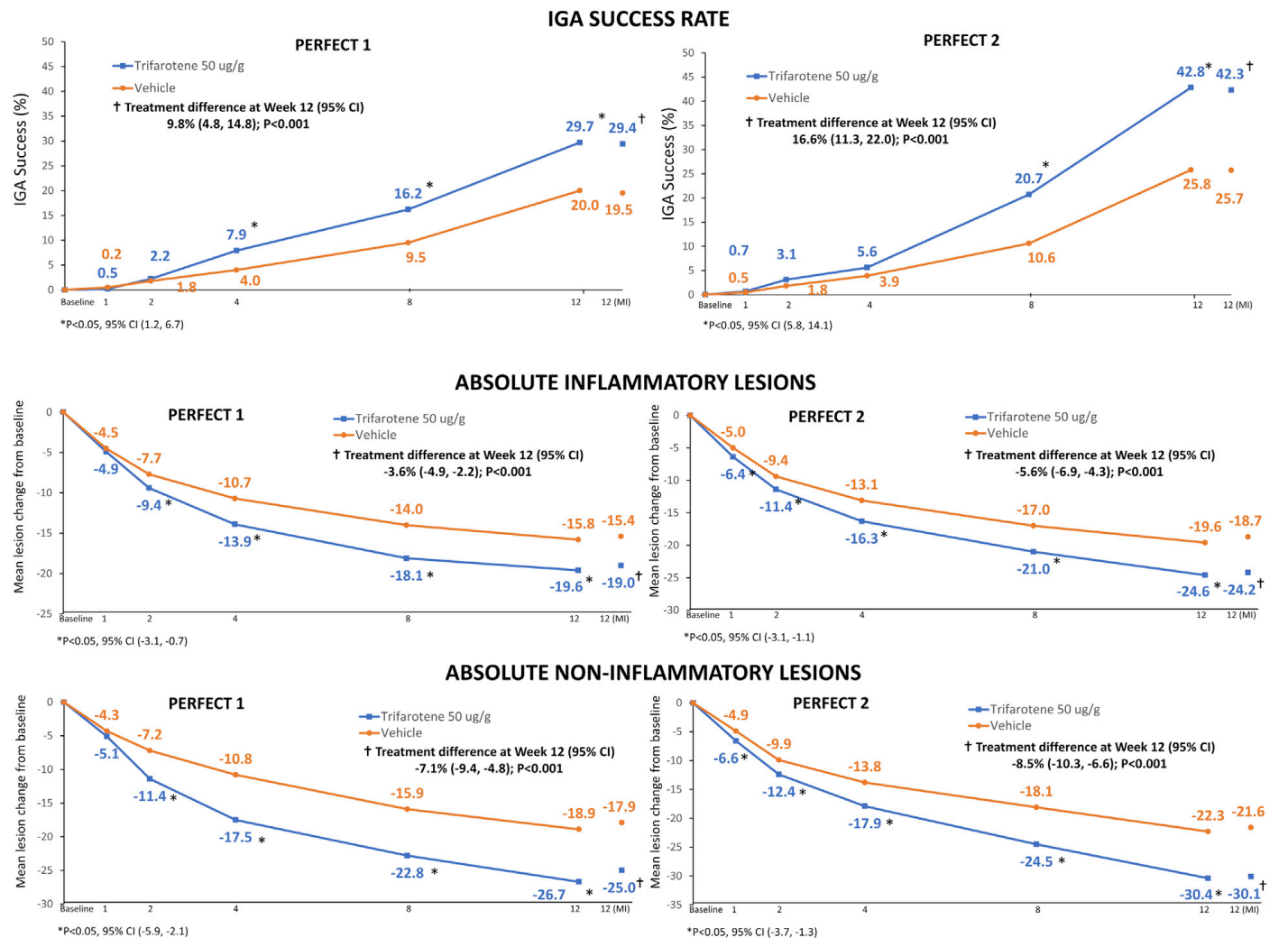
While existing acne medications have mainly focused on the face, a distinctive feature of trifarotene is that it is also an option for acne on the body. For those who are also concerned about areas beyond the face, this is quite welcome news.
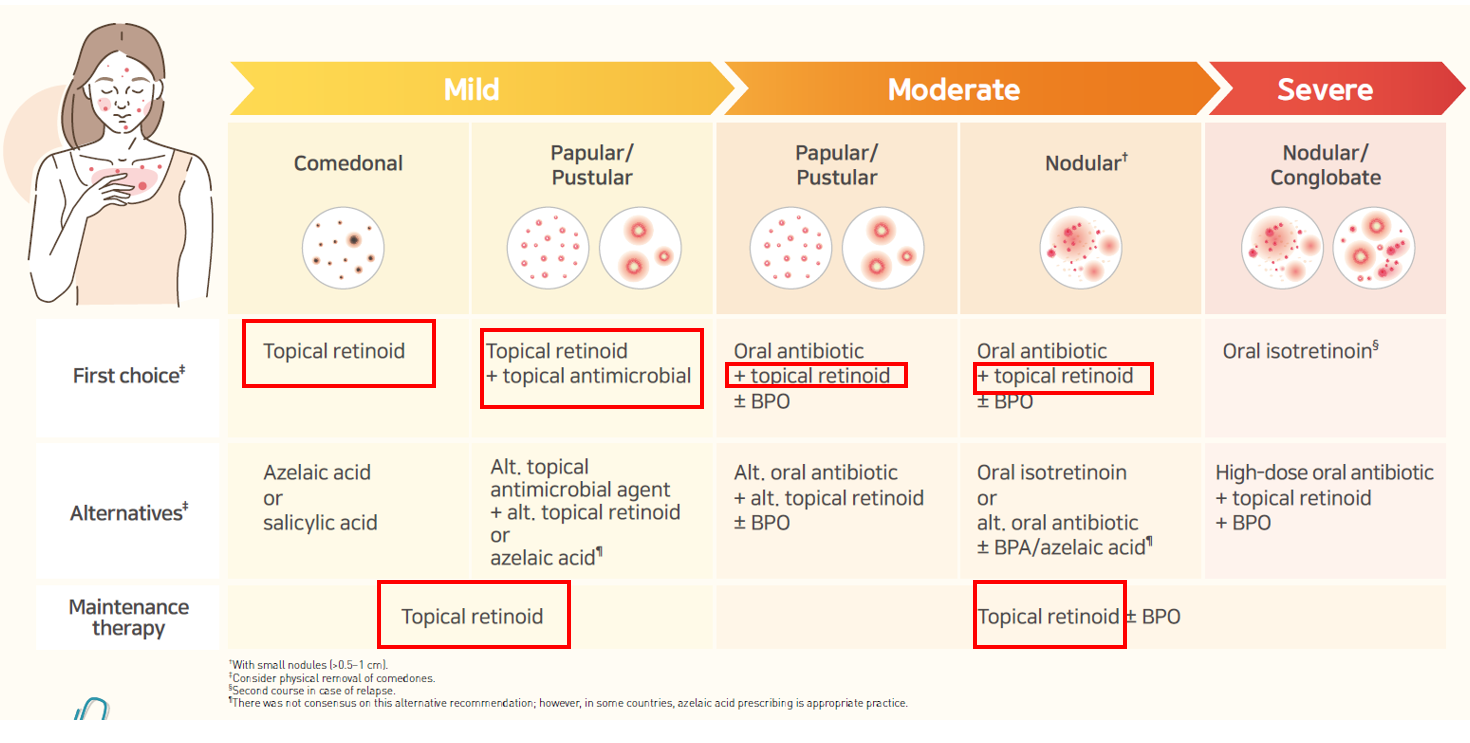
You can regard topical retinoid preparations as a baseline treatment in acne treatment guidelines. My view is that, before any flashy procedure, the foundation of topical treatment needs to be in place for results to stay steady.
If acne and pigmentation overlap and you do not know where to start, please first tell us about your current skin condition through Consult via chat now.
What picture emerges when looking at fine lines and pigmentation together?
Retinoids have a long track record in wrinkle improvement and elasticity. Trifarotene inhibits collagen breakdown and increases its synthesis, working in the direction of thickening the epidermis, easing fine lines and refining skin texture. Results are still being published at the laboratory stage, so further evidence remains to be seen, but a major advantage is that it is less irritating than first-generation tretinoin, so even first-time users can start without much burden.

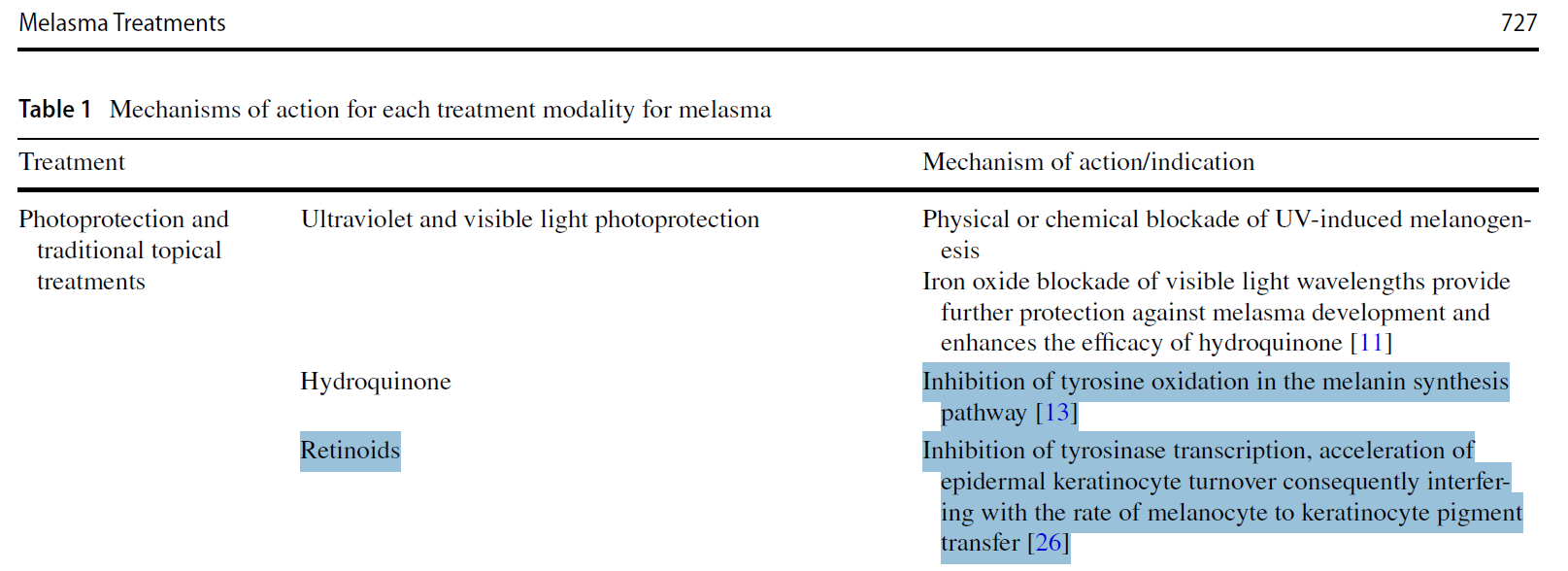
A brightening effect can also be expected. Trifarotene inhibits the skin's tyrosinase enzyme to lower melanocyte activity and promotes the turnover of epidermal cells, helping melasma and blemishes fade. As skin regeneration runs alongside, older pigment gradually becomes fainter. However, pigmentation often needs to be assessed not only in the epidermis but also in the dermal background. I have written about this in more detail in Post-inflammatory hyperpigmentation, which I often see in the clinic.
The single most important thing when you first apply it
What I want to mention before effectiveness is early irritation. As with all retinoids, irritation such as stinging, redness and flaking may appear at first. Honestly, a great many people give up at this stage. That is why proper use comes before any discussion of effectiveness.
Applying a retinoid makes the skin more sensitive to UV light. During the period of use, you must also use sunscreen during the day to prevent hyperpigmentation from darkening.
Increase use step by step, without rushing.
- At first, start by diluting it with a moisturizer at a ratio of 1:3 or more.
- Take a rice-grain-sized amount of cream, mix it with moisturizer, and spread it thinly over the whole face.
- For the first two weeks, use it only about twice a week.
- Once your skin adapts, increase to every other day, and then slowly move on to using it every night.
- Increasing the frequency too quickly makes irritation worse, so check your skin's response at each step.
In the early period the skin barrier becomes sensitive, so moisturize generously at other times as well. In particular, people with rosacea need to be very careful when applying it, and in some cases it may be better not to use it at all. If you have both flushing and rosacea, I recommend first checking my post summarizing how to manage rosacea. Using an ingredient that helps with moisturizing, such as urea, alongside it is also a good approach.
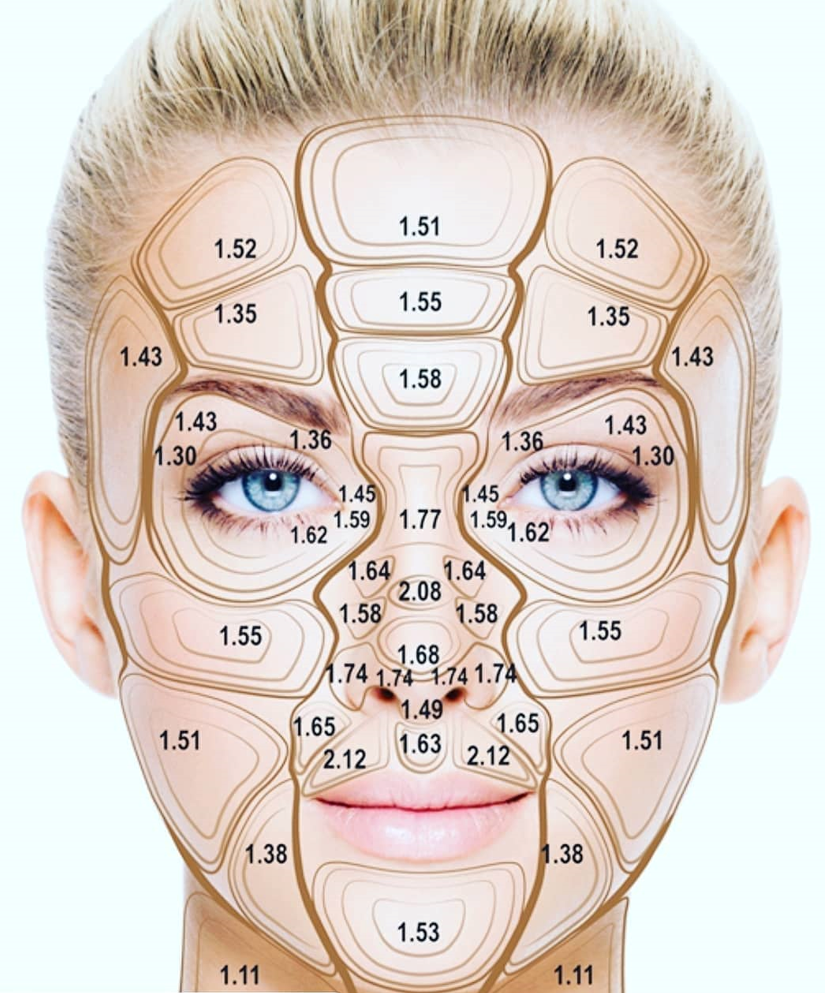
One more thing: irritation comes differently depending on skin thickness. For the relatively thin and sensitive eye area, it helps to layer on moisturizer once more to dilute it further.
In summary
A cream containing trifarotene is a versatile option that can address acne, fine lines and even brightening in one approach. Consistency is key, and a usage method that gets you past the early irritation determines the result. My view is that, before adding yet another expensive functional cosmetic, using an ingredient with established evidence properly is often the more reasonable choice. Costs are explained after consultation.
If you are wondering about the right starting point and dilution ratio for your skin, feel free to press Consult via chat and tell us about your condition.
Author: Dr. Cho Mingyeol, Medical Director (board-certified dermatologist; Master Certification in Pigmentation, Acne, Rosacea and Hair from the Korean Dermatologists Association). You can find the full profile on the Medical Team page. First published 2024-11-04 / Last reviewed 2026-07-09
This article is intended for general information only; the appropriate treatment and outcomes may vary depending on each individual's condition.