

Having treated acne for a long time, I believe that if we do not first sort out "why it appeared," the direction of treatment will waver too. Acne, once regarded as a symbol of puberty, is now a chronic condition commonly seen in adults as well. The Korean word for acne, yeodeureum, is said to come from yeol (heat, as in "running a fever"), deul- (the stem of a verb meaning the skin breaks down) and the suffix -eum, combined to mean skin that has turned red and broken down. In a sense, the name itself already captures the nature of this condition.
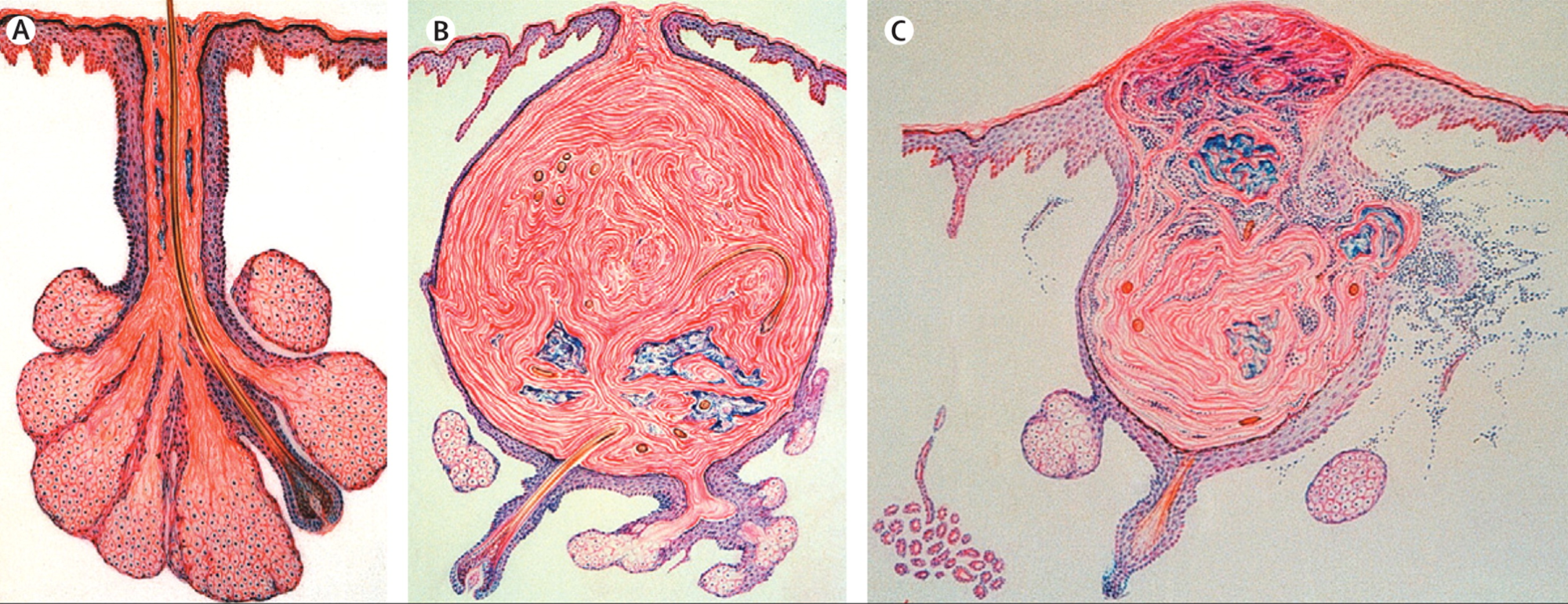
Exactly where in the skin does acne begin?
Every hair has a sebaceous gland attached to it. Modern medicine defines acne as a chronic inflammatory disease of this very pilosebaceous unit. To put it more simply, you can understand it as an inflammatory condition that takes place in the hair follicles of the face.
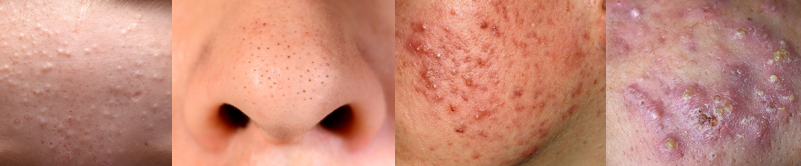
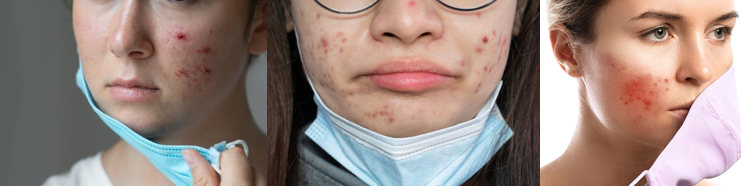
The hallmark of this condition is that lesions such as whiteheads and blackheads (open or closed comedones) and pimples (inflammatory papules and pustules) come and go chronically on the face. After COVID-19, as wearing masks became part of daily life, mask-induced acne, so-called maskne, also appeared regardless of age.
Why knowing the cause is what makes treatment work
Even though acne is not limited to any one age group, its mechanism ultimately converges into a single flow. In the clinic, I always go over this sequence first. Only when you understand the cause well does it become clear where to take hold of treatment. The causes of acne can be broadly divided into four strands.
- Increased sebum secretion: the sebaceous glands become overactive and oil increases
- Hyperkeratinization of the follicle: the keratin around the pore thickens and the opening narrows
- Proliferation of acne bacteria: an environment in which Cutibacterium acnes (cutibacterium acne) thrives
- Inflammation: as the processes above overlap, red lesions settle in
Visualized in a single image, these four stages look like this.
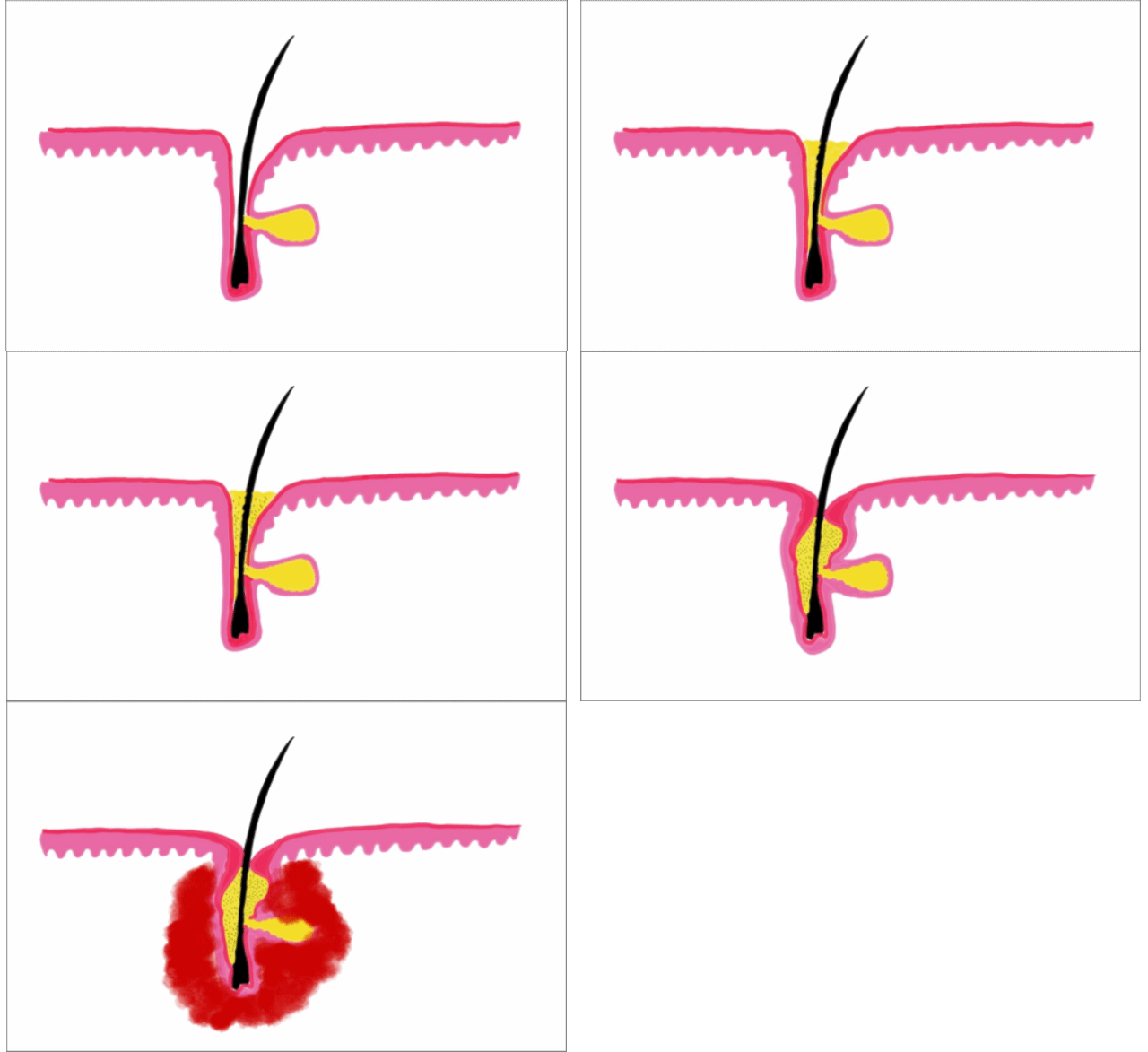
From around puberty, hormonal changes activate the sebaceous glands, and increased sebum secretion lays the groundwork for acne bacteria to grow easily. Hormones, Western-style eating habits and stress are cited as factors that drive up sebum secretion. However, hormones are not something we can control at will.
That is why, in the clinic, I suggest that we start by reviewing the parts we can actually work on, namely eating habits and stress management.
The relationship between diet and acne is broad enough to deserve its own discussion. If you are curious about this, I recommend also reading the post on foods it is better to avoid when you have acne.
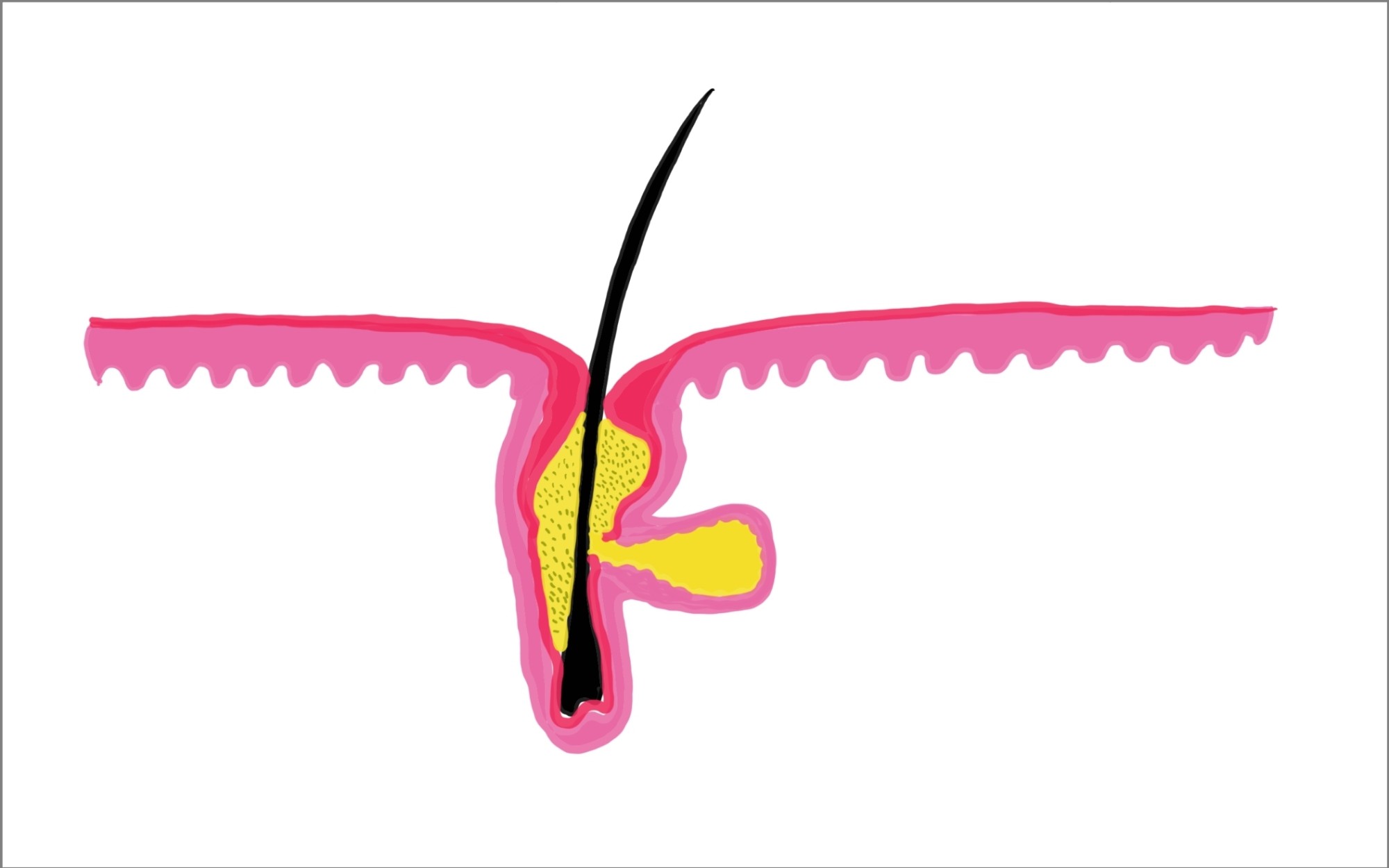
When a lot of sebum is secreted, the proliferation of acne bacteria makes the keratin around the pores even thicker. As a result, the pores become blocked and comedones form.
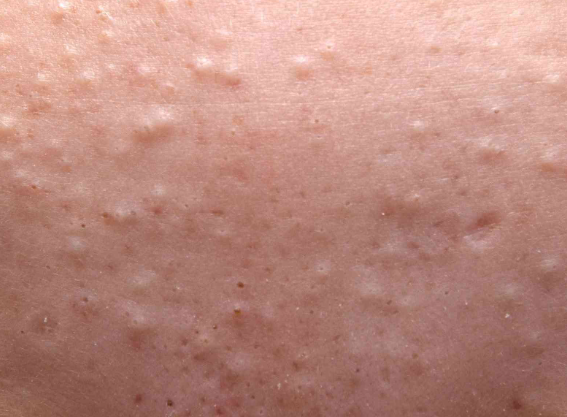
These comedones, commonly called "grain-like" pimples, are the very seeds of acne. In adult acne, there are situations where the sebaceous gland itself needs to be examined before the inflammation, and I have written up the criteria for that judgment separately in Why I look at the sebaceous glands first in recurring adult acne.
If any questions come up, feel free to ask by tapping Start a chat consultation now.
The second link: bacteria increase and inflammation sets in
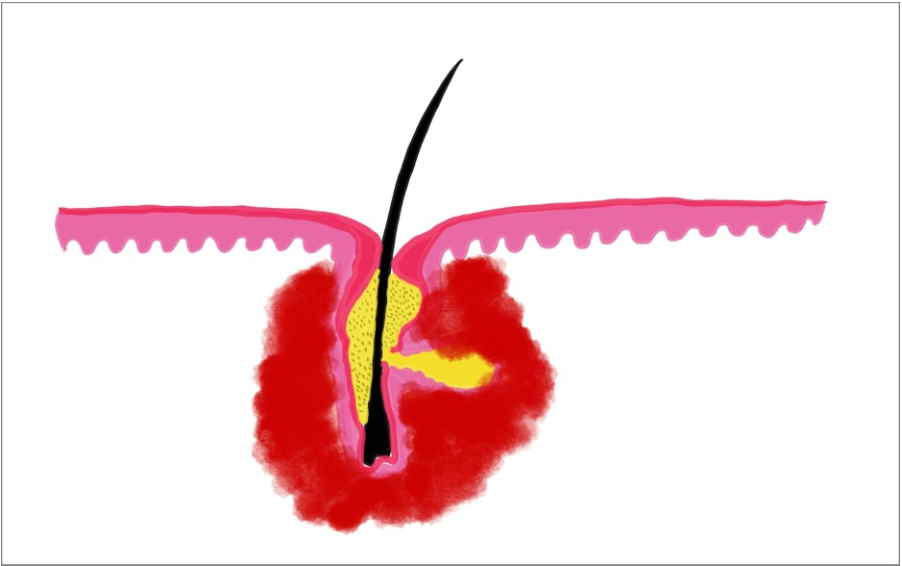
The blocked environment and comedones in turn create good conditions for acne bacteria to live in, and this process invites an inflammatory response.
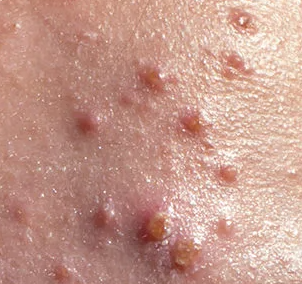
And in the end, it settles in as the red pimples we dislike most. How to deal with the red marks left behind, and in what order I approach things when pores or flushing overlap, are explained in detail in Why I recommend PDL first for red acne marks and Why I think of microneedle radiofrequency when acne, pores and redness overlap, respectively.
Oils coming in from outside can also cause acne
Recently, acne caused by lipid components introduced from outside also seems to be increasing.
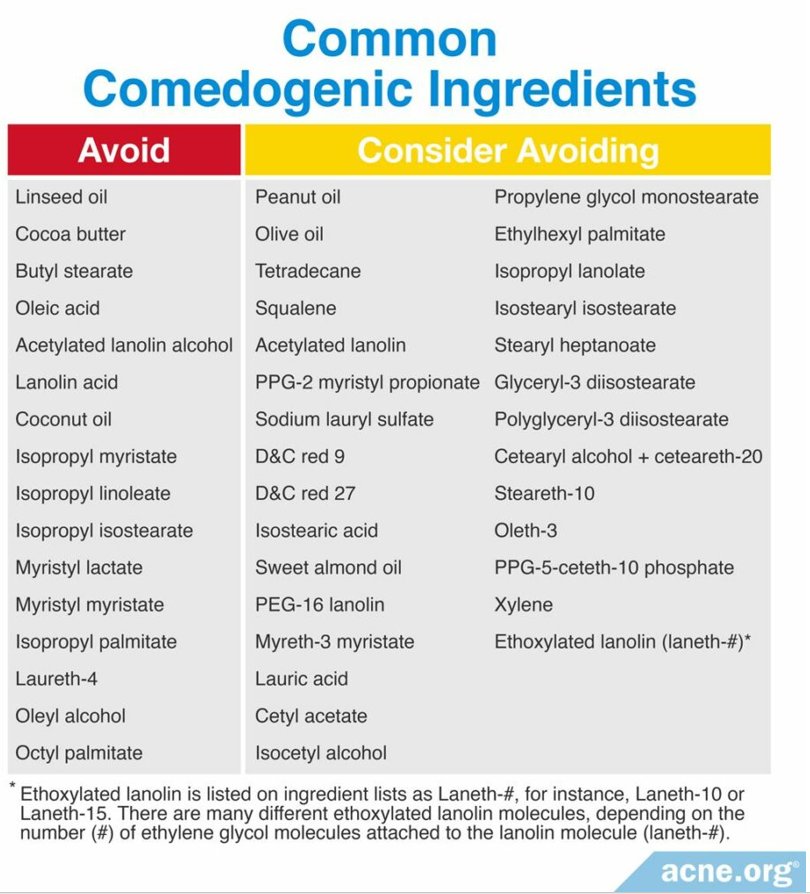
Ingredients contained in some cleansing oils and cosmetics are known to be able to change the composition of facial sebum and clog the pores, triggering acne. Typical ingredients pointed to include the following.
| Category | Example ingredients |
|---|---|
| Animal oils | Lanolin, mink oil, sperm whale oil |
| Plant and mineral oils | Coconut oil, mineral oil |
| Emulsifiers | Isopropyl myristate, isopropyl palmitate |
If acne seems to keep appearing in a particular area, I recommend checking once whether the ingredient list of the cosmetics you currently use includes anything on the list above. More often than you might think, the cause lies not on your face but on your vanity table.
In closing
Acne is a condition in which four links, sebum, keratin, bacteria and inflammation, interlock and turn together. The direction changes depending on which link carries the most weight, and that is why even the same acne cannot be approached in the same way for everyone. Because individual differences are large, figuring out what stage your skin is at right now is the starting point of treatment. If you cannot tell which link your condition is closest to, please feel free to ask through Consult via chat.
[References]
- Williams, Hywel C., Robert P. Dellavalle, and Sarah Garner. "Acne vulgaris." The Lancet 379.9813 (2012): 361-372.
Author: Dr. Cho Mingyeol, Medical Director (board-certified dermatologist; Master Certification in Pigmentation, Acne, Rosacea and Hair from the Korean Dermatologists Association). You can find the full profile on the Medical Team page. First published 2023-08-28 / Last reviewed 2026-07-09
This article is intended for general information only; the appropriate treatment and outcomes may vary depending on each individual's condition.