

When someone comes to the clinic with acne, I tend to ask about their diet before their cleansing habits or cosmetics. There was a time when food and acne were thought to have no clear connection, but as studies have recently accumulated, evidence has been reported that certain dietary patterns are involved in the course of acne. Today I would like to go through, one by one, why I bring up white rice, milk and fried foods first in the clinic, and the principles behind it.
Why foods that raise blood sugar quickly can be a problem
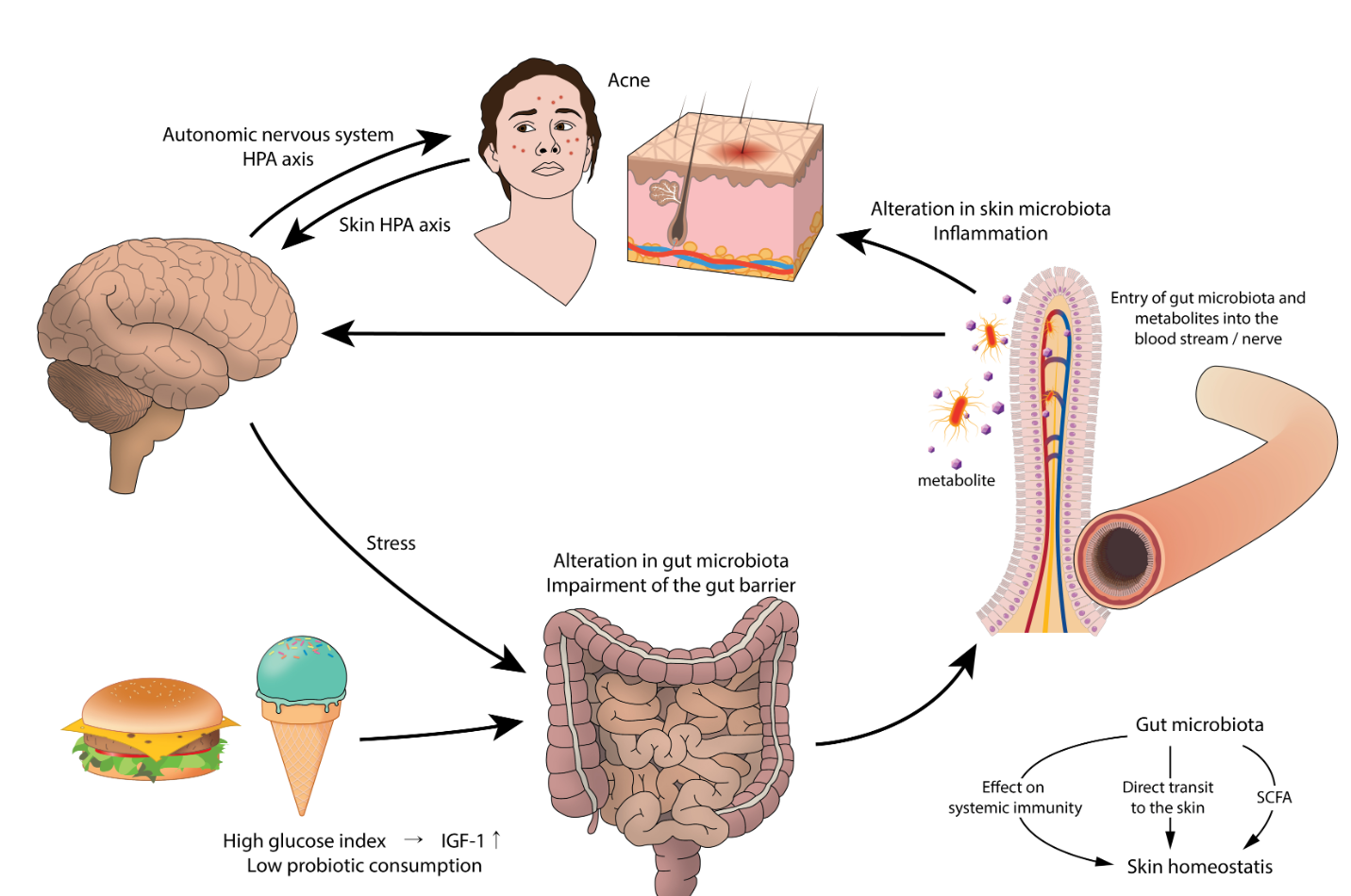
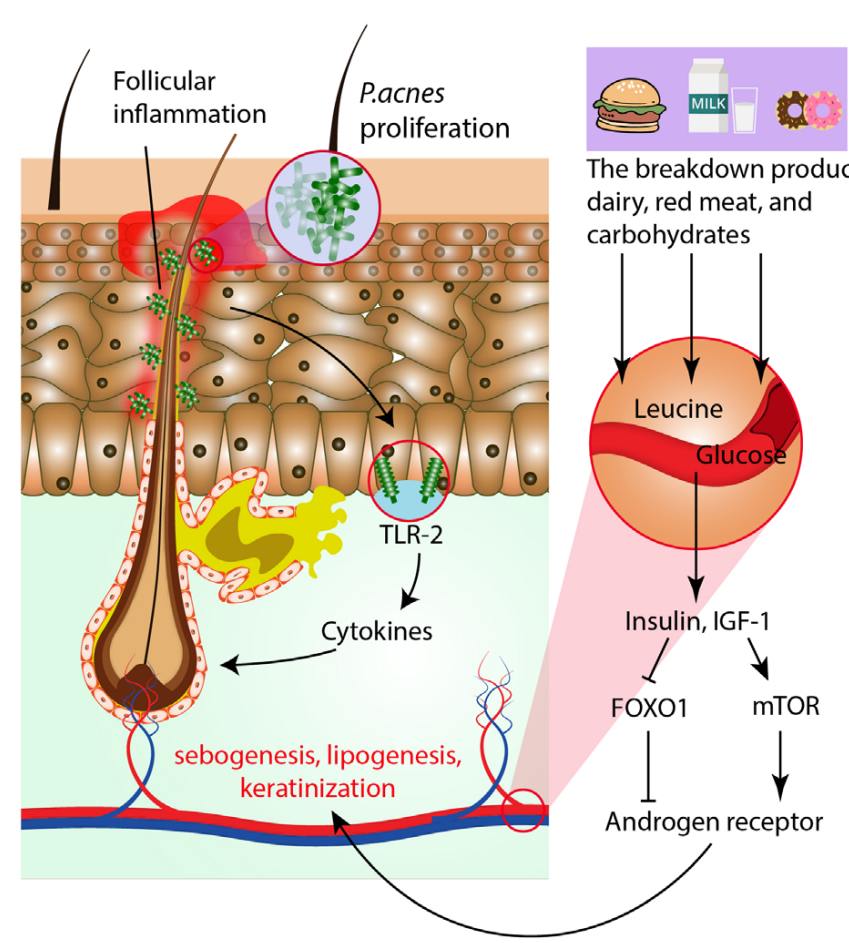
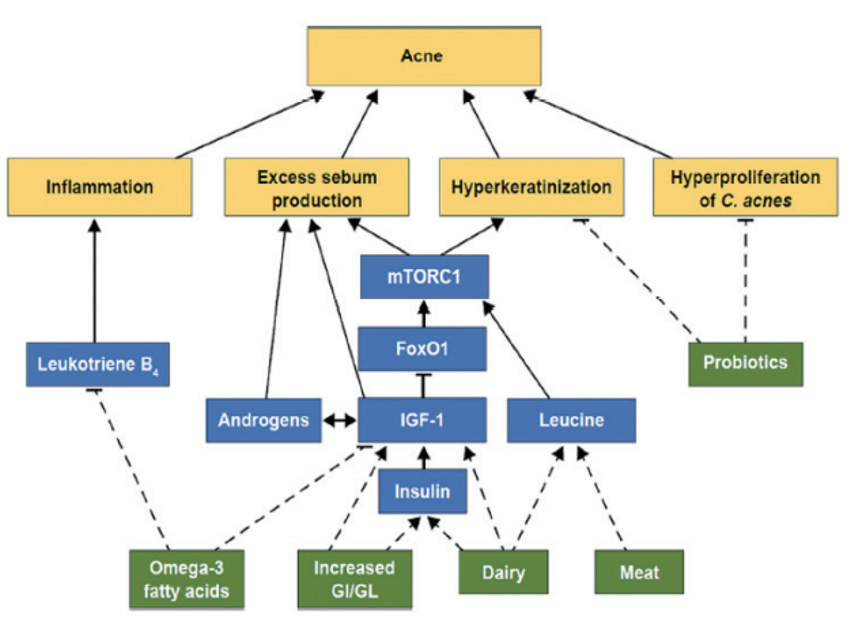
The first thing I look at is foods with a high glycemic load. Meals with a high glycemic load (GL) are reported to promote the secretion of a growth factor called IGF-1, and this signal affects follicular keratinization and sebaceous gland proliferation, working in a direction that worsens acne.
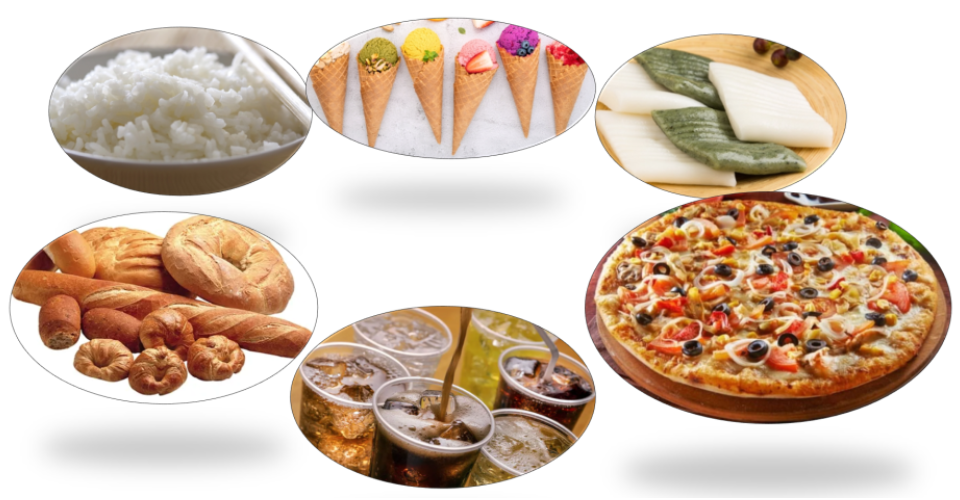
Foods with a high glycemic load are mostly familiar faces. Foods that drive blood sugar up rapidly, such as white rice, rice cakes, bread, ice cream, liquid fructose and pizza, belong here. At a glance, these are foods that work against weight management as well. Sorting out your diet, in other words, creates a point where acne and weight can be managed together.
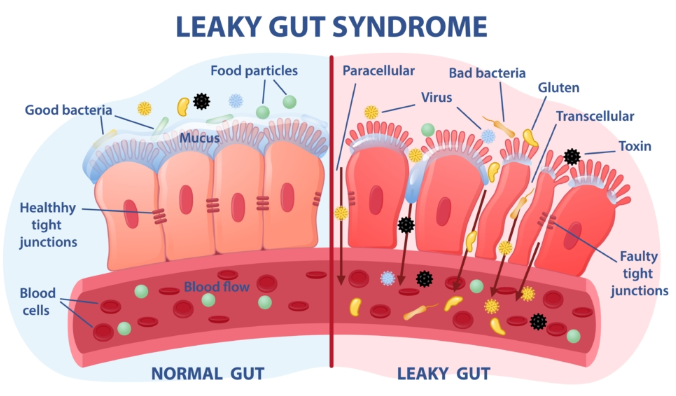
One more thing to point out here is wheat flour. Even among high-glycemic-load foods, those containing wheat flour (gluten) can affect the intestinal barrier and interfere with the absorption of essential nutrients. This also means it is hard to look at the condition of the skin and the gut separately. If you are curious about this, I recommend also reading my post on why the skin barrier matters.
What results did the supporting studies show
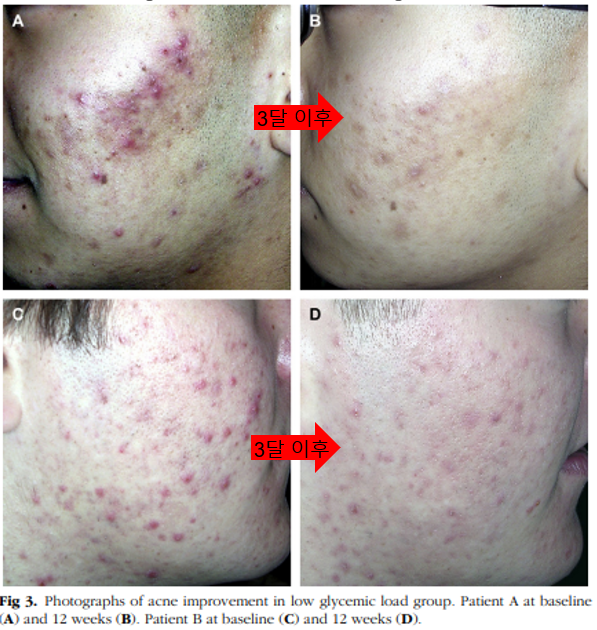
This relationship has also been confirmed in a well-designed clinical study.
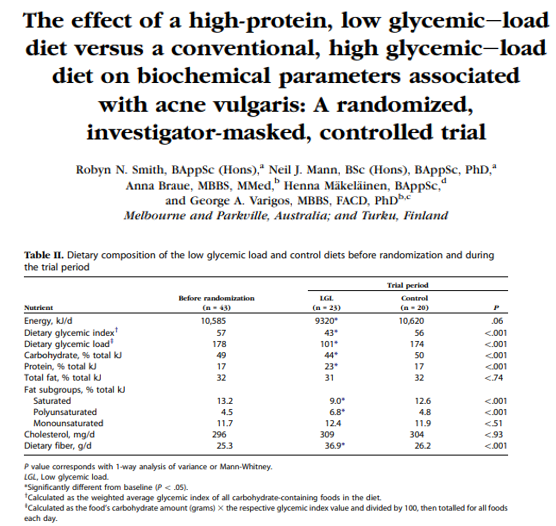
In a randomized controlled study of acne patients, the group that maintained a high-protein, low-glycemic-load diet for three months showed greater improvement in acne than the group on a conventional diet.
It is not a question that can be settled with a single number, but it is data that shows a direction: dietary patterns can be linked to markers of skin inflammation.
Why milk and dairy are mentioned separately
Dairy products, and milk in particular, are slightly different in nature from the glycemic load issue. Milk itself contains IGF-1 and androgen (male hormone)-related substances, which are considered major triggers of acne, and it is reported to be associated with the development of acne.
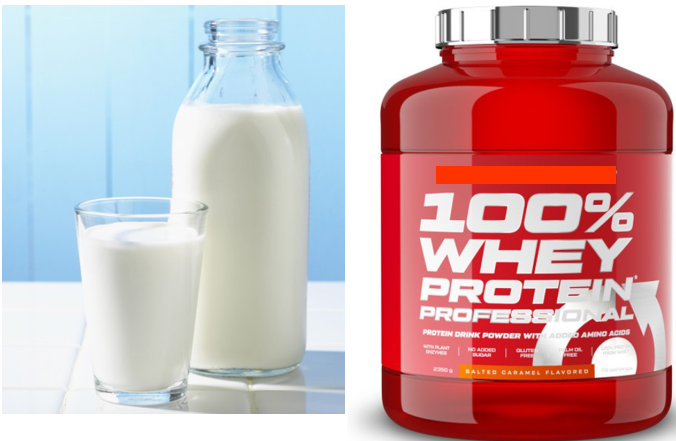
Whey protein supplements, which people who exercise often take, can also worsen acne. A glass of milk as you would normally drink it is not much of a problem, but protein supplements contain concentrated amounts, so it is better to be careful during periods when acne keeps recurring.
Muscle-building signals affect the skin as well
The third thing I look at is leucine. Leucine is one of the three amino acids known as BCAAs, an essential amino acid that plays a signaling role in muscle synthesis. As leucine activates a pathway called mTOR, it can also become a route that triggers acne by promoting sebum synthesis and follicular keratinization.
Leucine is abundant in all kinds of meat, such as beef, pork and poultry, and is also widely found in protein-rich foods such as dairy, nuts, whole wheat and brown rice.
Summarizing the three axes so far in a table gives the following.
| Component / marker | Pathway involved | Typical foods |
|---|---|---|
| Glycemic load | Raised IGF-1, sebaceous gland stimulation | White rice, rice cakes, bread, liquid fructose, pizza |
| Dairy | IGF-1, androgen-related substances | Milk, whey protein supplements |
| Leucine | mTOR activation, sebum synthesis | Meat, dairy, nuts, whole wheat, brown rice |
While we are on the subject of diet, if your acne keeps recurring, reading Why I look at the sebaceous glands before inflammation in adult acne and my post on how acne develops will help the picture connect. If your own condition is unclear, feel free to ask through Consult via chat now.
How much should you cut back on greasy foods
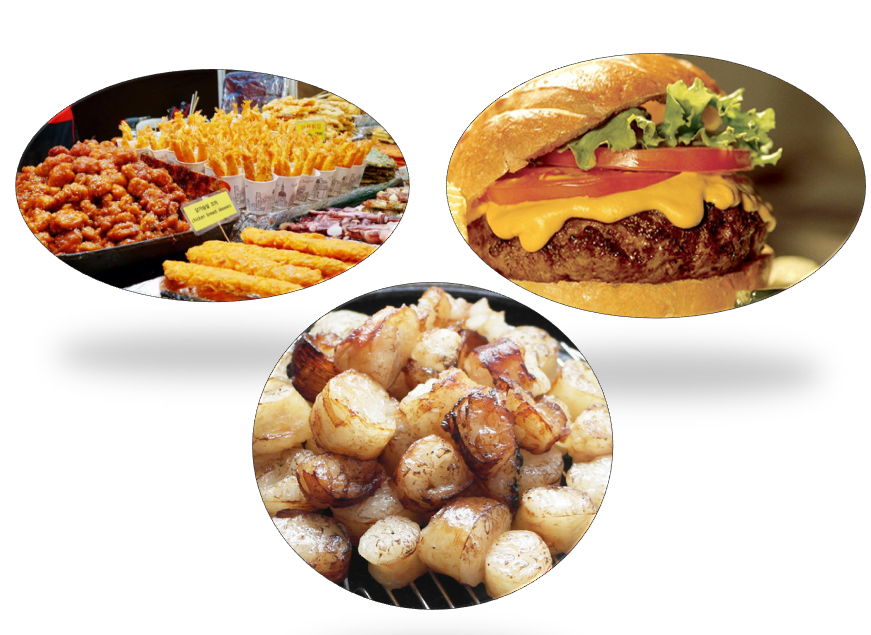
Greasy foods such as fast food and fried foods are not unrelated to acne either. Because they work by increasing androgens, which directly stimulate the sebaceous glands, and by raising blood IGF-1 levels, it is better to cut back on them as much as possible during periods when acne is severe.
Diet alone does not make acne disappear
That said, there is one thing I want to make clear. Adjusting your diet can help prevent acne, but that does not mean acne will never appear, nor does the same effect show up in everyone. Responses vary from person to person.
In fact, stress itself is a direct factor that worsens acne. So in the clinic, I often sum it up like this.
- You do not need to make cutting out these foods completely your goal.
- If not being able to eat them at all causes you a lot of stress, it is fine to have them occasionally.
- Instead, during periods when acne gets worse, I recommend consciously reducing how often you eat high-glycemic-load foods, dairy and fried foods.
The key is not a perfect diet but knowing which foods can be aggravating factors and developing a sense of moderation. If acne keeps recurring even after you have sorted out your diet, an approach tailored to the cause and your skin condition may be needed, so in that case I recommend looking at your condition together through Consult via chat. In the next post, I will summarize, conversely, foods that may help with acne.
[References]
- Lee, Young Bok, Eun Jung Byun, and Hei Sung Kim. "Potential role of the microbiome in acne: a comprehensive review." Journal of Clinical Medicine 8.7 (2019): 987.
- Smith, Robyn N., et al. "The effect of a high-protein, low glycemic-load diet versus a conventional, high glycemic-load diet on biochemical parameters associated with acne vulgaris: A randomized, investigator-masked, controlled trial." Journal of the American Academy of Dermatology 57.2 (2007): 247-256.
- Maarouf, Melody, Jody F. Platto, and Vivian Y. Shi. "The role of nutrition in inflammatory pilosebaceous disorders: Implication of the skin-gut axis." Australasian Journal of Dermatology 60.2 (2019): e90-e98.
Author: Dr. Cho Mingyeol, Medical Director (board-certified dermatologist; Master Certification in Pigmentation, Acne, Rosacea and Hair from the Korean Dermatologists Association). You can find the full profile on the Medical Team page. First published 2023-09-05 / Last reviewed 2026-07-09
This article is intended for general information only; the appropriate treatment and outcomes may vary depending on each individual's condition.