

When you feel your skin's firmness is not what it used to be, many people hesitate at least once in front of lifting treatments. They are all called lifting, but once you actually get a consultation, each device has a different working principle and tends to improve different things. Among them, the two treatments I am most often asked to compare in the clinic are Titanium lifting and Onda lifting.
The two treatments have a lot in common in the big picture, but on closer inspection there are clear differences in how they generate heat and in which skin layer they mainly target. Today I would like to place the two side by side and summarize which concerns suit which one better.
Why compare Titanium and Onda side by side?
Both devices belong to the same family of noninvasive lifting treatments that use heat energy. But because the character of their results differs subtly, it is actually easy to get confused about which one to choose. I have summarized the individual principles of each treatment separately in the posts below, so if you are curious about the detailed background, please refer to them as well.
- When I recommend Titanium is covered in my post on who I recommend Titanium lifting for
- Onda's principles and responses by area are covered in my post on the principles of Onda lifting
How far do Titanium and Onda resemble each other?
The two treatments share the same starting point: they deliver heat energy into the skin to stimulate the production of collagen and elastin.
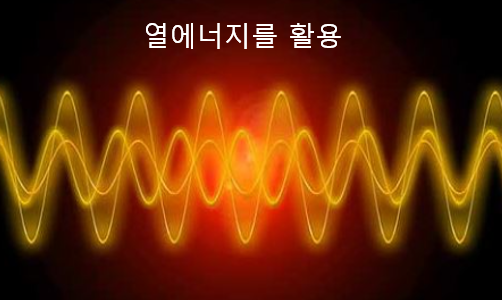
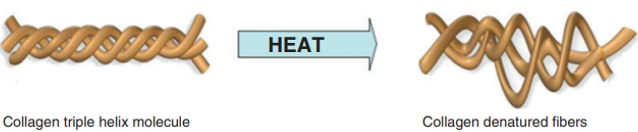
Through artificial heat stimulation, existing collagen contracts, and in the process of replacing damaged collagen with new collagen, skin elasticity increases and a lifting effect appears.
Another thing they have in common is that they are noninvasive treatments performed by placing the device in contact with the outside of the skin, rather than by cutting or injecting. As a result, the treatment burden is low, the recovery period tends to be short, and with almost no downtime, you can return to daily life right after treatment. That is why they suit those who want to manage their skin with less burden amid a busy life.
The decisive differences: how heat is generated and how deep it reaches
Precisely because they have so much in common, the real differences lie in the details. There are two key points. One is the method of generating heat, and the other is the skin layer that is mainly targeted.
At a glance, it looks like this.
| Category | Titanium lifting | Onda lifting |
|---|---|---|
| Energy source | Diode laser (triple wavelength 755/810/1064nm) | Microwave |
| How heat is generated | Light is absorbed by melanin and hemoglobin and converted into heat | Rotates water molecules to generate frictional heat (dielectric heating) |
| Main target layer | Relatively shallow layers | Subcutaneous fat layer |
| Prominent effects | Immediate tightening, improvement of skin tone and redness | Fat reduction, improvement of contours and cellulite |
Titanium lifting: for shallow-layer firmness and clearer skin tone
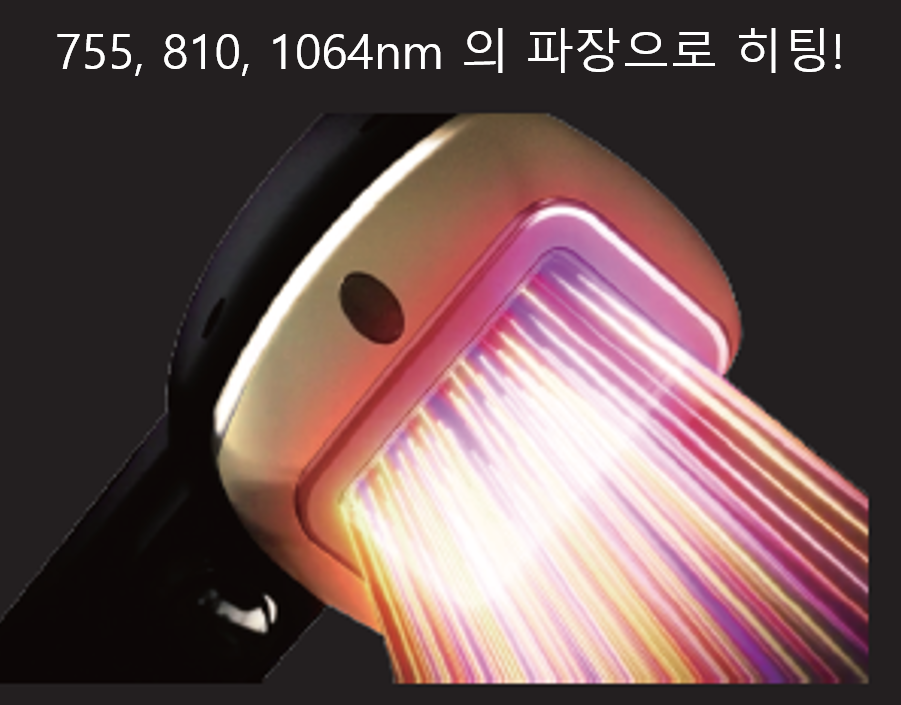
Titanium lifting uses a triple-wavelength diode laser that emits three wavelengths, 755nm, 810nm and 1064nm, at the same time. When the laser light reaches the skin, it is absorbed by melanin or hemoglobin and converted into heat energy.
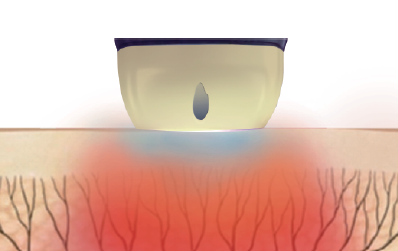
Because the energy is absorbed starting from the skin surface, surface damage could be a concern, but a powerful sapphire cooling system protects the surface while helping deliver energy deeper. However, compared with Onda, because heat is loaded from the surface side first, it tends to target relatively shallow layers.
That is why with Titanium, the immediate tightening sensation tends to come across a little more distinctly. Because of the nature of lasers, incidental help with pigmentation and redness can also be expected, making it advantageous for brightening skin tone and smoothing texture. However, the degree of response varies between individuals.
If you are unsure whether firmness in the shallow layers or skin tone is the more pressing issue for your skin, you can first have your condition assessed through Consult via chat now.
Onda lifting: the fat layer, contours and cellulite
Onda lifting uses microwaves, that is, ultra-high-frequency waves. It is a dielectric heating method in which microwaves rotate water molecules in the skin to create frictional heat. It selectively generates heat in the extracellular fluid surrounding fat cells, namely the water around the fat septae, concentrating energy in the fat layer while barely affecting the epidermis.
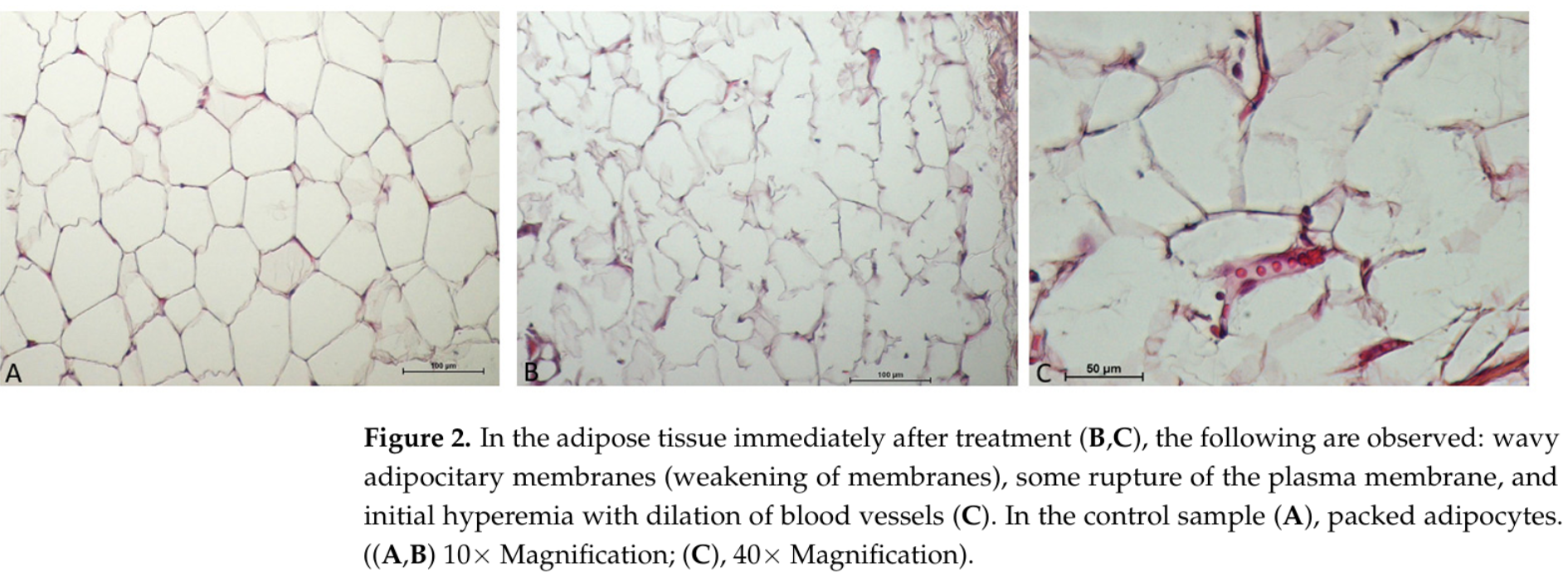
Because it mainly targets the subcutaneous fat layer intensively to reduce fat cells, it is known to have strengths in fat reduction and contour improvement compared with Titanium. It tidies up fat that has accumulated in the face, such as a double chin or buccal fat, to smooth the contours, and it is also used to reduce fat in body areas such as the upper arms, abdomen and thighs. Thanks to its action on both the fat layer and collagen fibers, it also helps smooth out lumpy cellulite.
So what criteria do I use to decide in the clinic?
To sum up, rather than one being absolutely superior, the direction depends on the nature of your concern. When setting a direction in the clinic, I refer roughly to criteria like these.
- If overall facial firmness is your concern and you also want to address skin tone and redness, lean toward Titanium
- If you prioritize an immediate, tightening lifting sensation, lean toward Titanium
- If you want to reduce fat in specific areas such as a double chin or buccal fat to refine your contours, lean toward Onda
- If you are also concerned about upper-arm fat, thigh fat and cellulite, lean toward Onda
More important than a device's name recognition is a choice that fits your skin condition. Even with the same Titanium or the same Onda, the appropriate intensity and number of sessions differ depending on the condition of the skin layers, fat distribution and goals, and individual differences in results arise accordingly.

Because the two treatments differ in character, in practice it is not uncommon to combine them or adjust their order according to the concern, rather than insisting on just one. If you want to weigh lifting devices broadly, reading my guide comparing several lifting devices or my post comparing Thermage and Ulthera will help you gauge the range of choices. If cost or maintenance burden concerns you, my post summarizing lower-burden lifting options may also help.
A final word
Treatment devices matter, but what must come first is an accurate diagnosis. It is safer, and satisfaction with the results is higher, to establish a treatment plan after checking skin condition, fat distribution and the goals you want to improve. If you are torn between Titanium and Onda, rather than reaching a conclusion on your own, I recommend consulting thoroughly with a dermatologist before deciding on a direction. Costs will be explained after the consultation.
Consult via chatAuthor: Dr. Cho Mingyeol, Medical Director (board-certified dermatologist; Master Certification in Pigmentation, Acne, Rosacea and Hair from the Korean Dermatologists Association). You can find the full profile on the Medical Team page. First published 2025-06-21 / Last reviewed 2026-07-09
This article is intended for general information only; the appropriate treatment and outcomes may vary depending on each individual's condition.