

The number of people asking about Titanium lifting in the clinic has grown noticeably. Each time, the first thing I check is whether "this procedure really suits this person's skin and goals." Today I would like to summarize how Titanium lifting works, what its advantages and limits are, and to whom I recommend it first in the clinic.
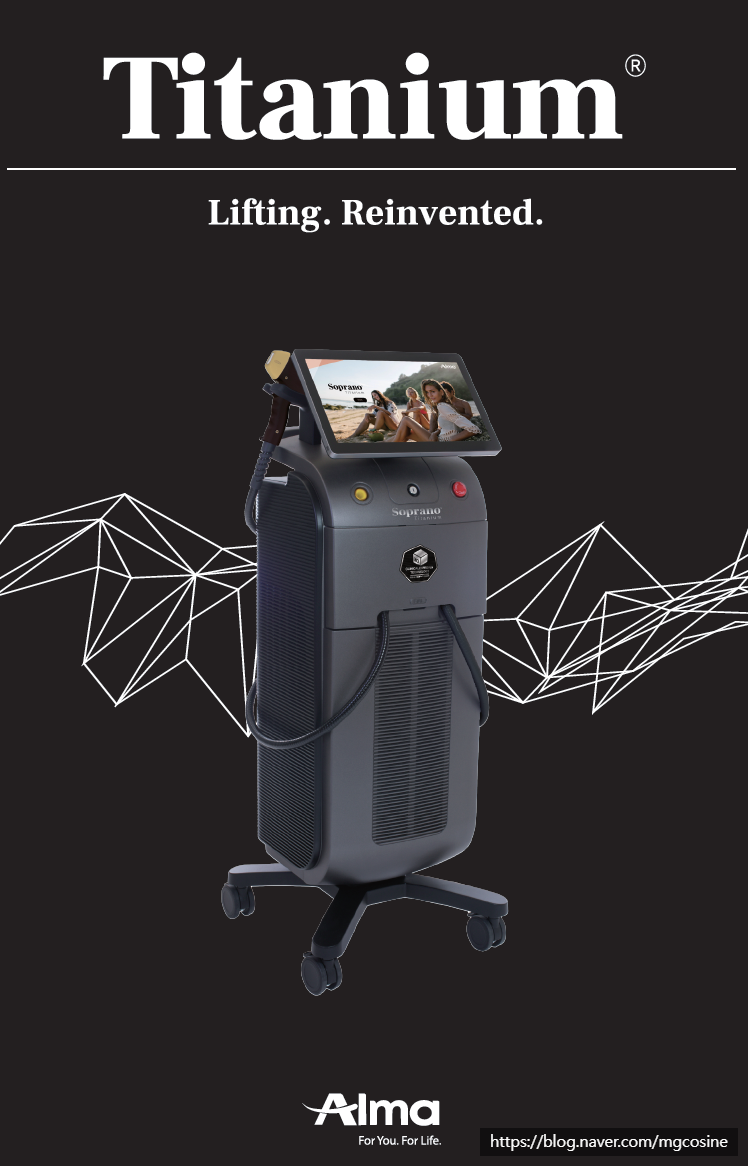
How does Titanium lifting work
Titanium lifting is a laser lifting procedure that uses three wavelengths simultaneously: 755nm, 810nm and 1064nm. Unlike conventional lasers, its pulse width is very wide, and the key point is that it can deliver heat in bulk beneath the epidermis.
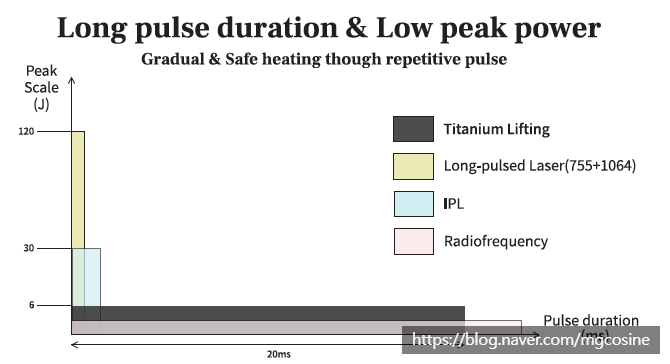
Thanks to this wide pulse width, the heat does not concentrate at specific points but spreads evenly through the tissue.
How is it different from Ulthera and Thermage
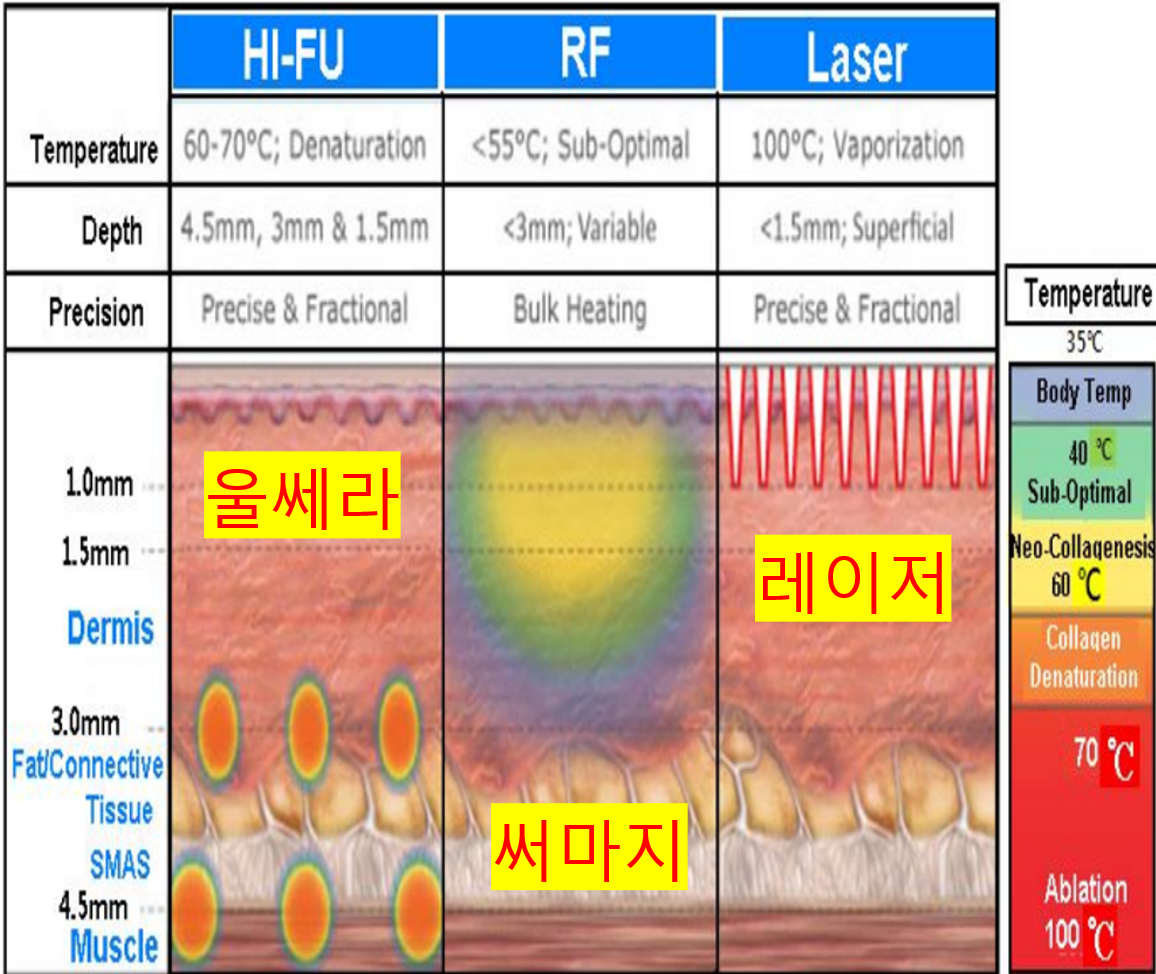
During lifting consultations, I always get the question, "So how is it different from Ulthera or Thermage?" The biggest difference is that each targets a different layer of the skin.
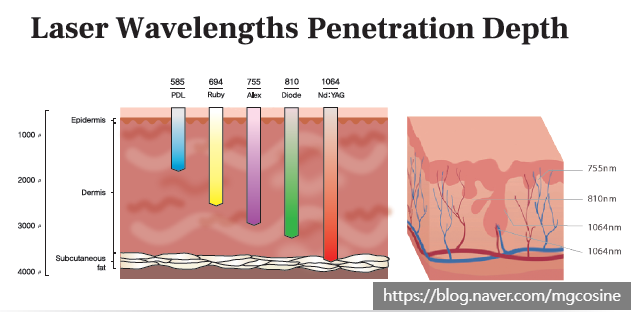
Unlike Ulthera, which targets the fat and fascial layers, and Thermage, which targets the dermis, Titanium lifting uses the 755nm, 810nm and 1064nm wavelengths, which penetrate relatively deeply.
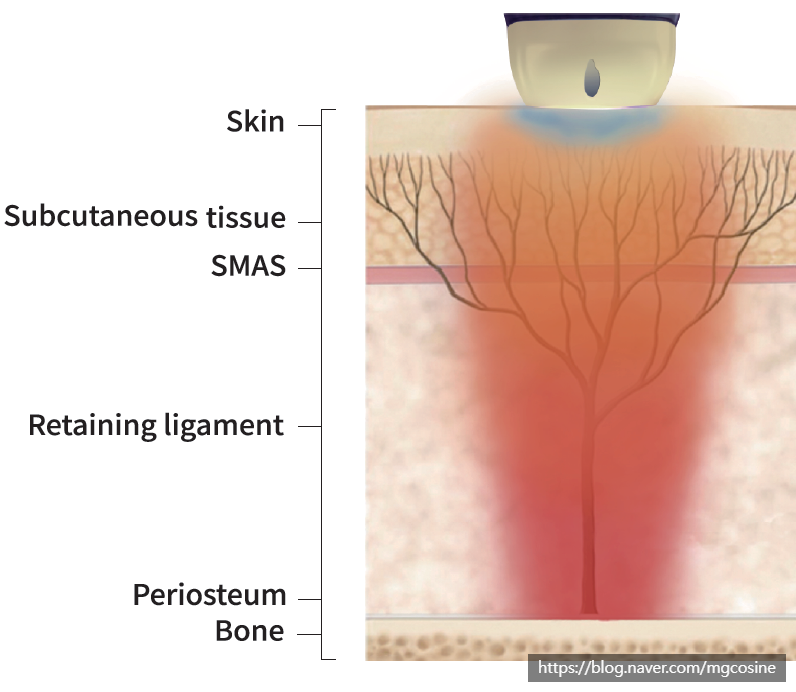
As a result, heat is delivered evenly across all layers of the face, and collagen synthesis in the dermis is induced, so an improvement in skin firmness can be expected.
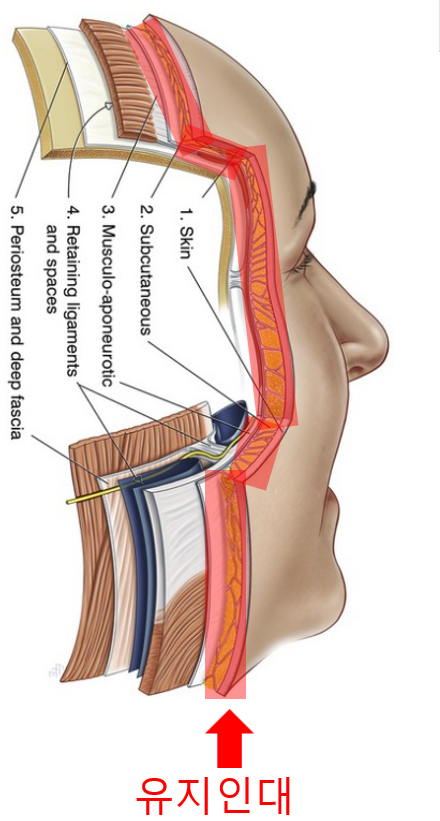
A particular feature of Titanium lifting is that it also stimulates the retaining ligaments, the structures that hold sagging skin in place.
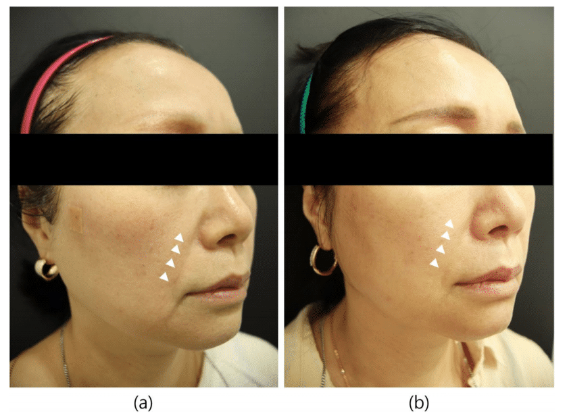
Thanks to this, an effect of easing sagging can be expected along with improved firmness.
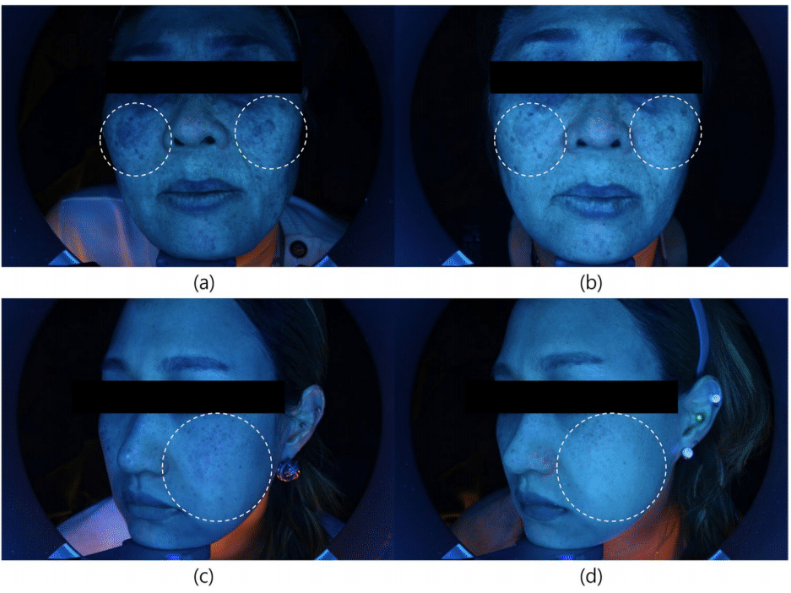
Because it uses laser wavelengths, a brightening of skin tone has also been reported. However, it is hard to expect as much effect here as from a dedicated pigment laser, so it is better to understand it strictly as a secondary change.
Comparing the nature of the three procedures at a glance gives the following.
| Procedure | Main target layer | Energy principle | Felt direction |
|---|---|---|---|
| Titanium lifting | All layers from the epidermis down | Three laser wavelengths | Broad firmness and tone |
| Ulthera | Fascial and fat layers | High-intensity focused ultrasound | Concentrated on specific areas |
| Thermage | Dermis | Radiofrequency | Centered on dermal firmness |
If you are curious about the principles and cost of each lifting device, I recommend also reading my post summarizing the differences between Thermage and Ulthera and my post comparing Ulthera, Thermage, Density and Oligio.
What are the changes right after the procedure and recovery like
Compared with Ulthera and Thermage, an advantage of Titanium lifting is that the change felt right after the procedure comes relatively quickly. Changes in the direction of firmer skin and a more defined facial contour after the procedure have been reported, although the degree varies from person to person.
The short procedure time and minimal downtime are also frequently mentioned in actual practice. Many people come in briefly between busy schedules and go straight back to their daily routine.
Titanium is not a completely painless procedure, but it is designed to minimize pain with a sapphire contact cooling system. Swelling and redness after the procedure tend to be mild, so returning to daily life is relatively easy.
How are the long-term effects maintained
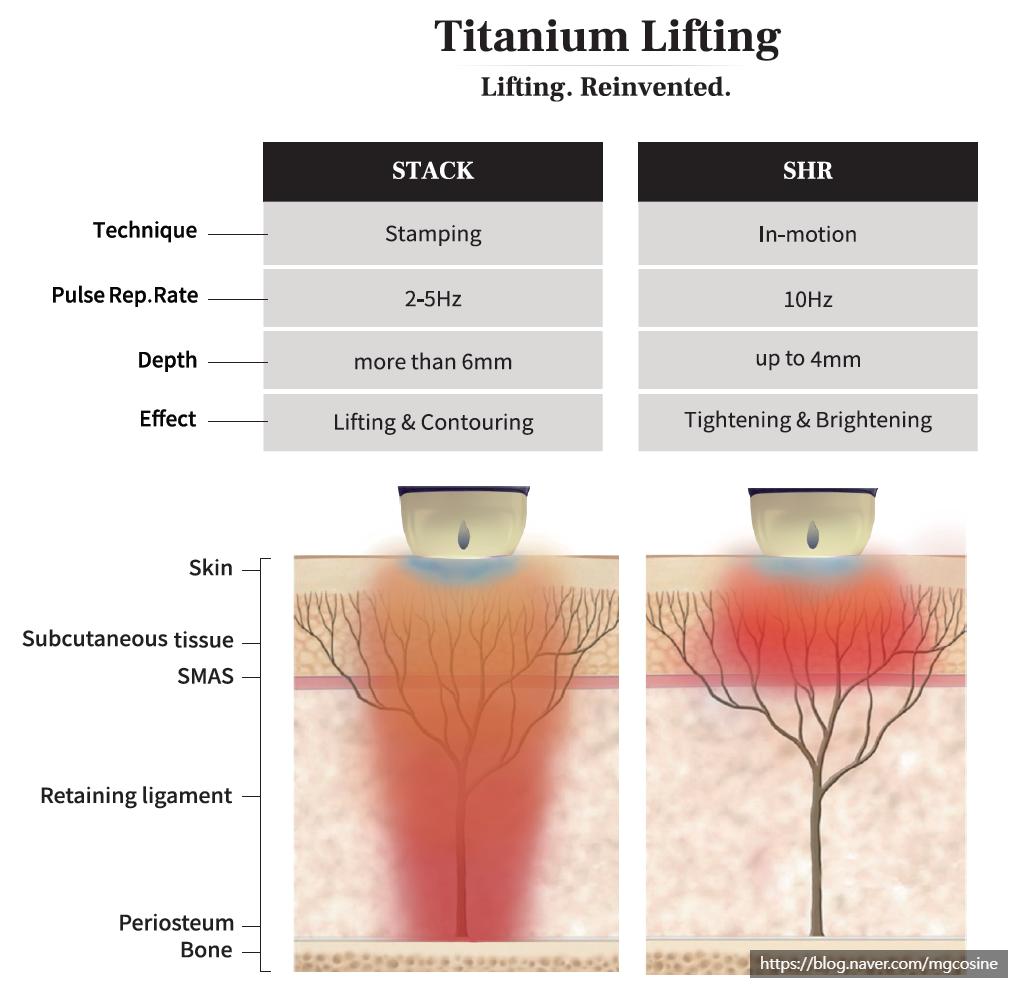
Just because changes come quickly right after the procedure does not mean there is no long-term direction. Titanium lifting has two modes, STACK mode and SHR mode, to deliver thermal energy from the epidermis to a depth of 6 mm or more, and further to the retaining ligaments within.
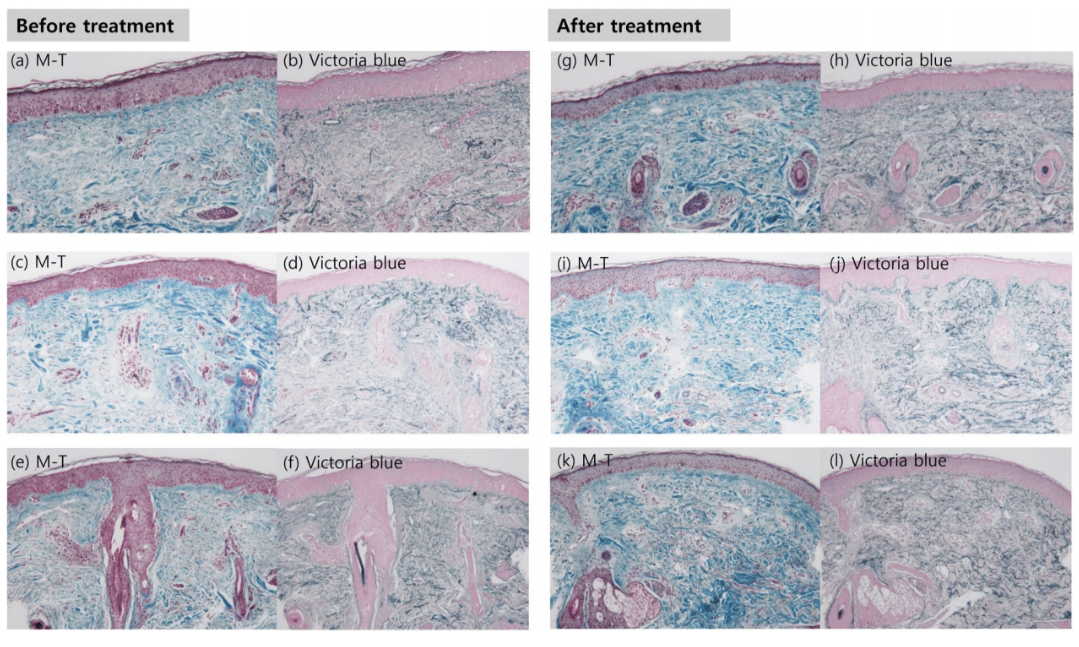
As a result, the synthesis of collagen and elastic fibers increases across several layers of the skin, so improvement in firmness and wrinkles can be expected, and acting on the retaining ligaments also helps ease sagging. However, to maintain this direction, it is better to continue with regular sessions, three or more at one-month intervals.
Why do men with heavy beards need to be careful
The 755nm, 810nm and 1064nm wavelengths used in Titanium lifting are lasers originally developed for hair removal.
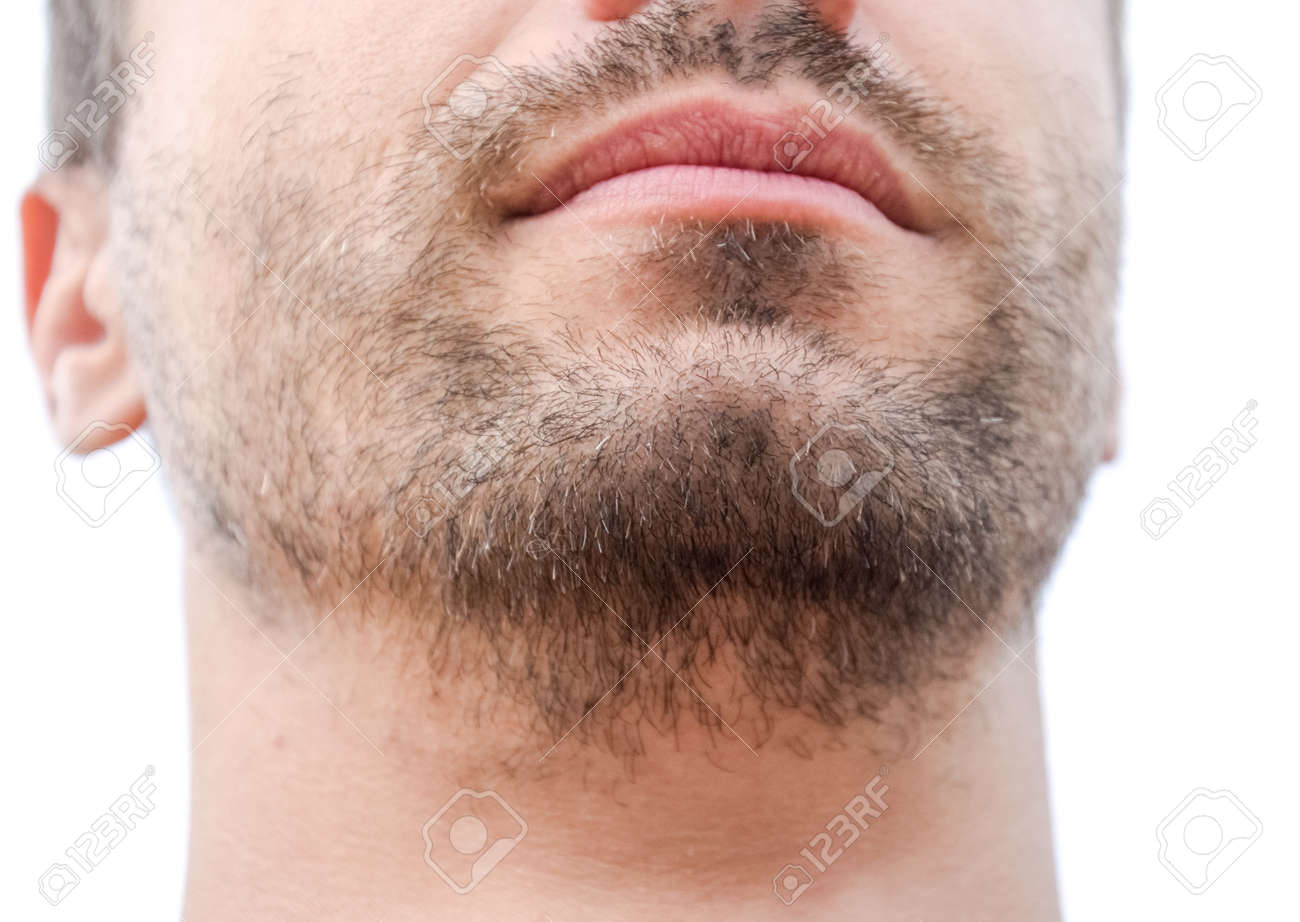
So for men whose beards grow thick, the procedure may be difficult. If you have a lot of facial hair, I recommend consulting a dermatologist before the procedure to decide whether to proceed.
Who I recommend Titanium lifting to first in the clinic
So who is this procedure a good fit for? The cases in which I think of Titanium lifting first in the clinic are roughly as follows.
- People concerned that their skin has lost firmness and their facial contour has become blurred
- People who want to start light maintenance while reducing the burden of pain and downtime
- People who have an important event coming up and find it hard to set aside a long recovery period
- People who want to evenly refine firmness across the whole face rather than one specific area
If there is a lot of fat in the face and there are areas of particular sagging such as a double chin or jowls, combining it with high-intensity focused ultrasound such as Ulthera, which concentrates on specific areas, can also be considered. This is an approach that aims at both overall firmness and improvement of specific areas.
Even with the same Titanium lifting, results vary greatly depending on how STACK and SHR modes are allocated according to face shape and how energy is distributed by area. That is why I tend to check the current skin condition and goals before the device name.
If you would like to know more about the criteria for choosing a lifting device, my post on the criteria that set the direction between Titanium and Onda lifting and my post looking at lifting from a cost-effectiveness perspective may also help.
In summary, Titanium lifting is a lifting-oriented procedure that people whose firmness has declined and whose contours have blurred can start lightly while reducing the burden of pain. However, because the results vary with mode and energy allocation, the process of accurately understanding your current skin condition and goals and setting the direction is more important than anything. If you cannot decide whether the procedure suits you, feel free to reach out through Consult via chat.
Author: Dr. Cho Mingyeol, Medical Director (board-certified dermatologist; Master Certification in Pigmentation, Acne, Rosacea and Hair from the Korean Dermatologists Association). You can find the full profile on the Medical Team page. First published 2024-07-19 / Last reviewed 2026-07-09
This article is intended for general information only; the appropriate treatment and outcomes may vary depending on each individual's condition.