

When I meet people in the clinic who have continued vitiligo treatment for a long time, there is one thing I hear most often: "I've been getting laser treatment for months, but the white areas are still the same. Should I just keep going with this treatment?" The more diligently people come to the clinic, the deeper this concern becomes.
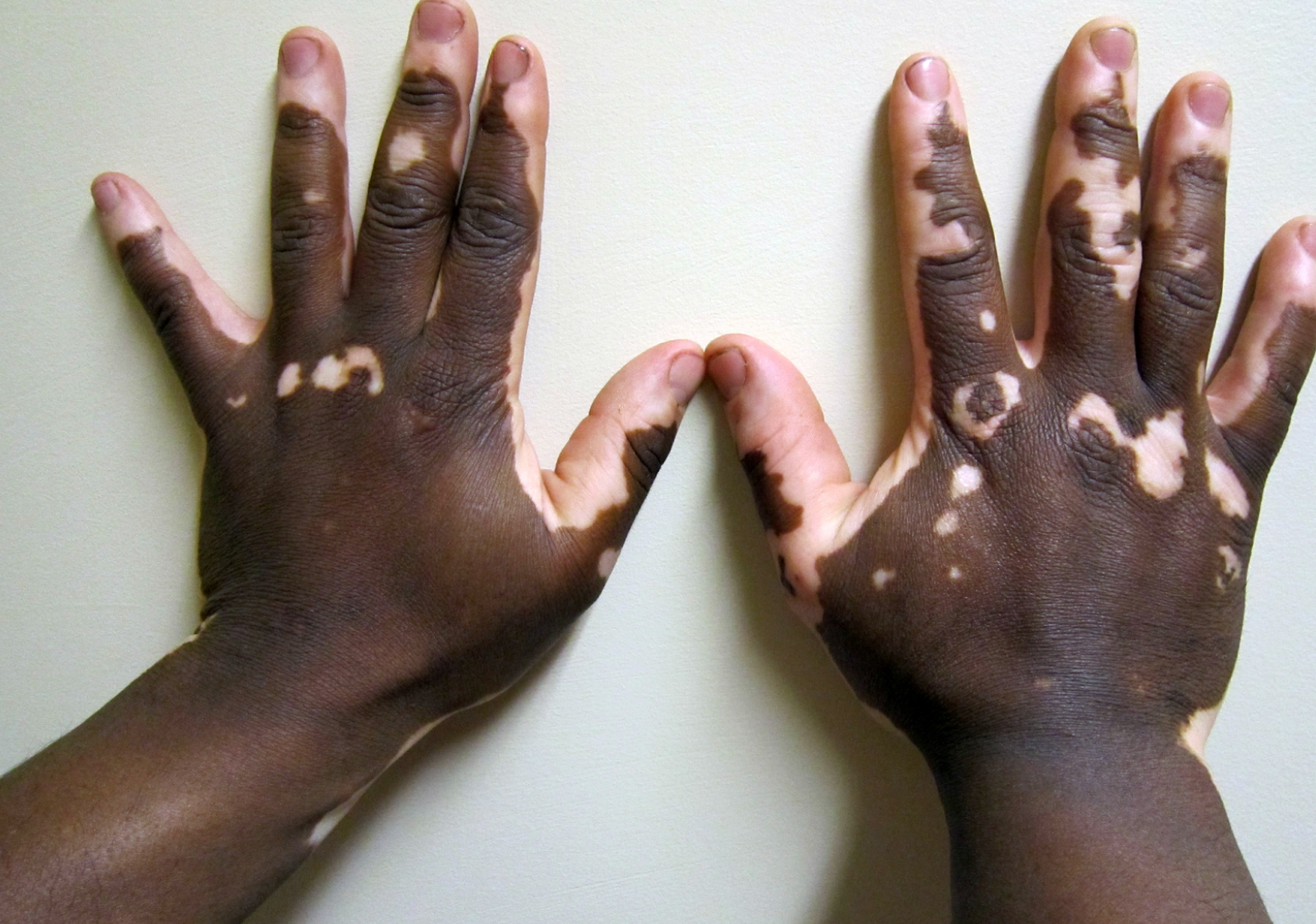
What I always emphasize in vitiligo treatment is timing. It is less a question of which treatment is right or wrong, and more a matter of reading what stage your skin is at now and not missing the moment to change methods. Today I will summarize when it is good to consider SST skin grafting, and which signals I look at together in the clinic.
Why is vitiligo treatment approached in stages?
The standard approach to vitiligo treatment is to go through stages rather than thinking of grafting from the start. When vitiligo has just appeared, there is a high likelihood that melanocytes still remain in the skin. At this stage, we use laser or phototherapy to stimulate the dormant cells and induce them to become active again.
To use an analogy:
If workers still remain in a factory and have only stopped working for a while, you just restart the machines to resume work. The problem arises when you keep running the machines in a factory where hardly any workers remain.

Laser treatment is exactly this way of restarting the machines. Conversely, if there are no cells left to wake up, the response will be slow no matter how much stimulation is given. This is where the grounds for considering SST grafting begin.
Four signals for switching to grafting
So when, specifically, do we consider SST skin grafting? The signals I look at together in the clinic fall broadly into four.
| Signal | What the skin is telling us |
|---|---|
| Stable for 6 months or more | Lesions are not spreading, so the risk of grafted cells being attacked is lower |
| No response to laser for 6 months or more | Hardly any melanocytes remain to be woken up |
| Leukotrichia | There are virtually no cells left to respond |
| Joint flexion areas | Difficult for pigment to spread evenly with laser alone |
First, cases that have been stable for at least 6 months. If normal skin is grafted while vitiligo is still spreading, the newly transferred cells are attacked as well, so the graft take rate inevitably falls. That is why we consider grafting only after entering a stable phase in which the size of the vitiligo has stayed the same and no new lesions have appeared for at least 6 months to a year.
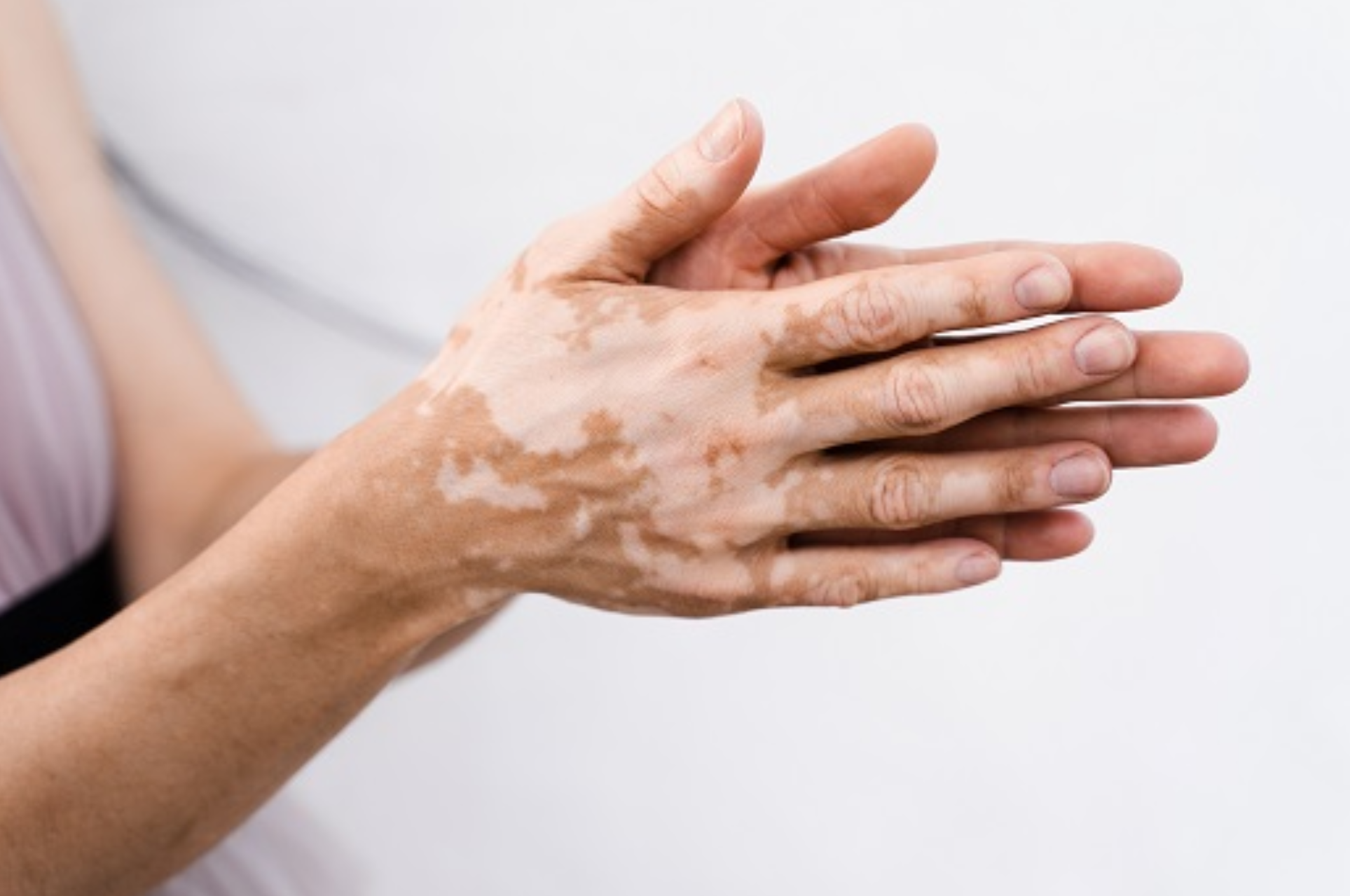
Second, cases with almost no color change despite receiving phototherapy or Palas laser treatment for 6 months or more. The laser works by waking up remaining melanocytes, so if there is no response after steadily receiving it for more than half a year, I read this as a signal that there are hardly any cells left to wake up. This point becomes the time to discuss switching to grafting.
Third, cases in which leukotrichia appears, where even the hair in the vitiligo area turns white. Leukotrichia is a signal I pay particular attention to.
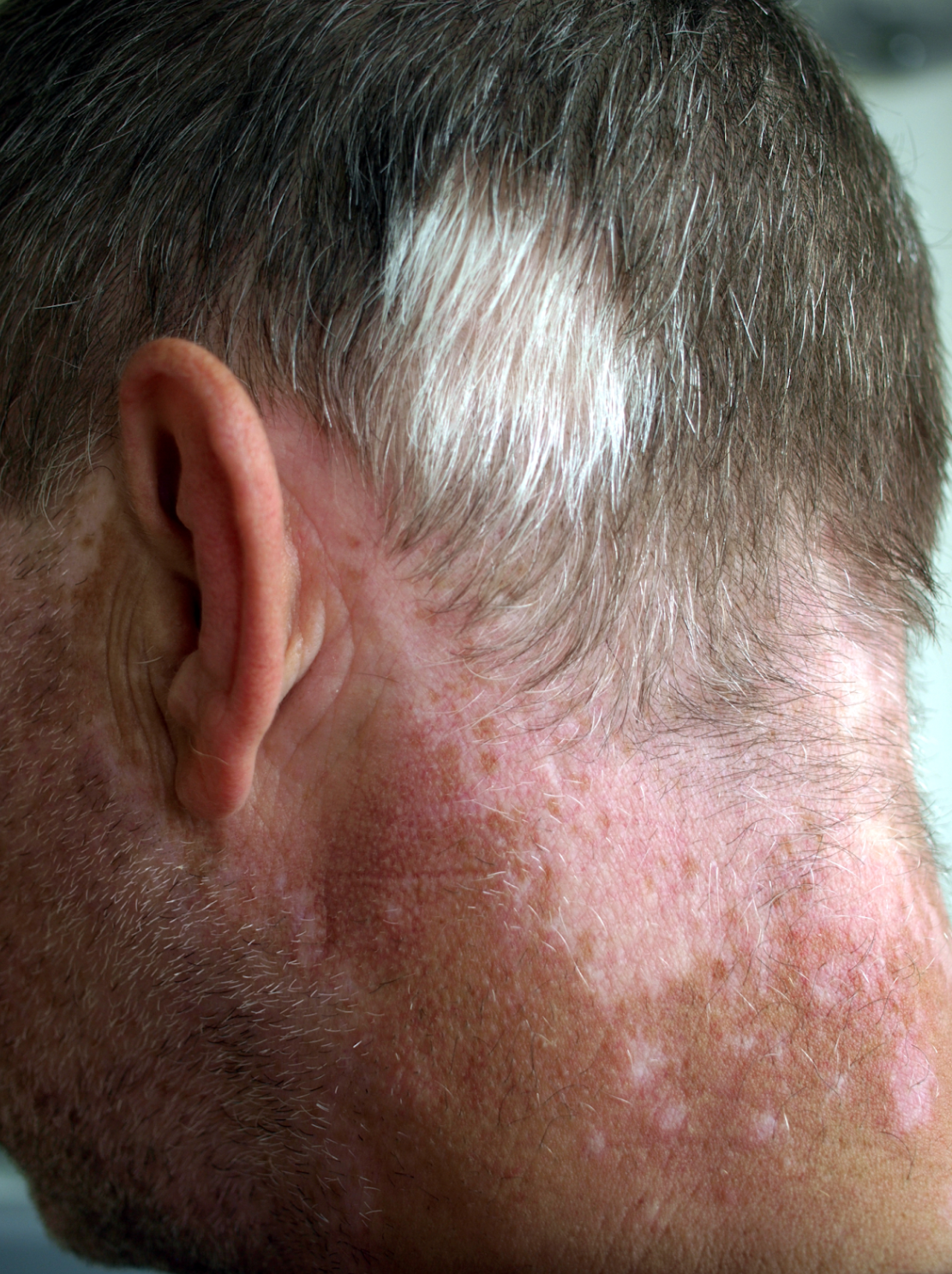
In this state, there are no cells left to respond even when stimulated with a laser, so grafting, which supplies new cells from outside, sometimes becomes the key option.
Fourth, joint areas or flexural areas such as the fingers, elbows, and knees. Because the skin in these areas constantly moves and folds, it tends to be difficult for pigment to spread evenly with laser alone. Because SST grafting harvests skin at a very small size of 0.4-0.5mm and transfers it precisely, like planting seeds, it can be fitted relatively naturally even to flexural areas.
I have covered in more concrete detail the signals to look for when color does not return even after nearly a year of excimer laser in my post on four signs to consider grafting after a year of excimer treatment. If you are unsure what stage your vitiligo is at now, feel free to ask through consult via chat now.
How is SST skin grafting performed?
SST skin grafting consists of three main stages.
-
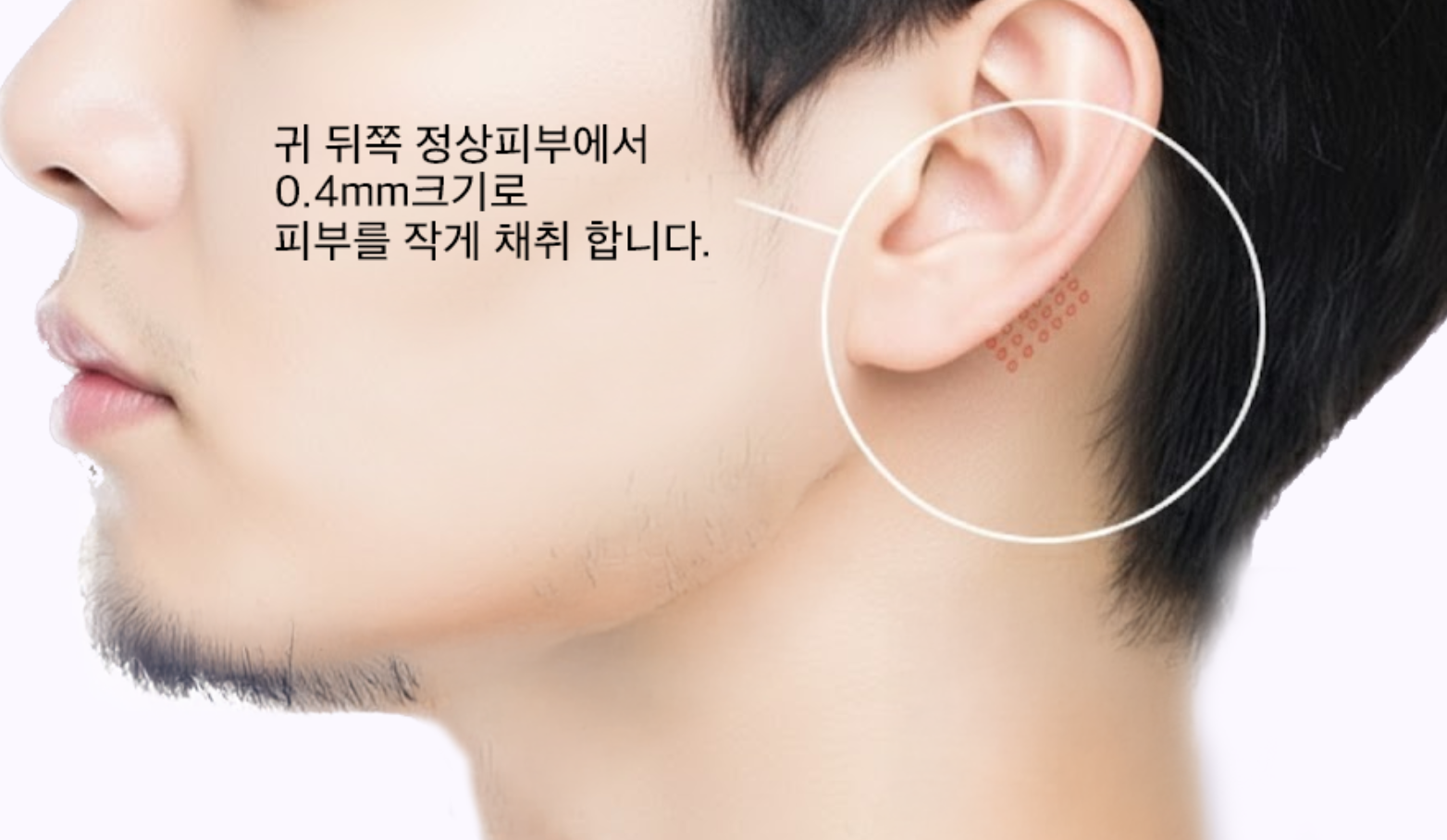
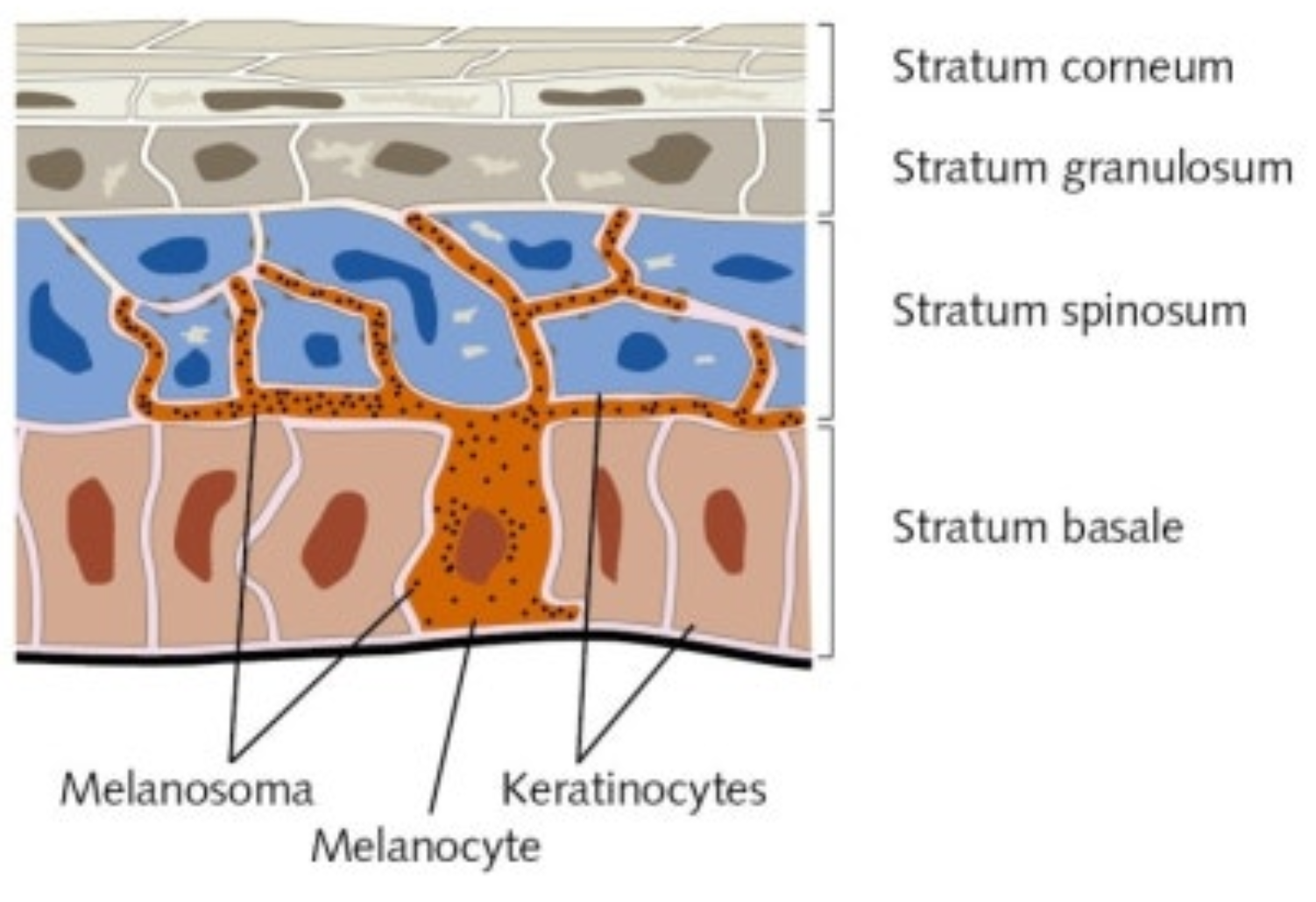
The first stage is harvesting. Healthy normal skin is obtained at a size of 0.4-1mm from an inconspicuous area such as behind the ear or the abdomen. Because full-thickness skin, including both the epidermis and the dermis, is harvested at this point, the skin structure itself, with its living melanocytes, is transferred as it is.
-
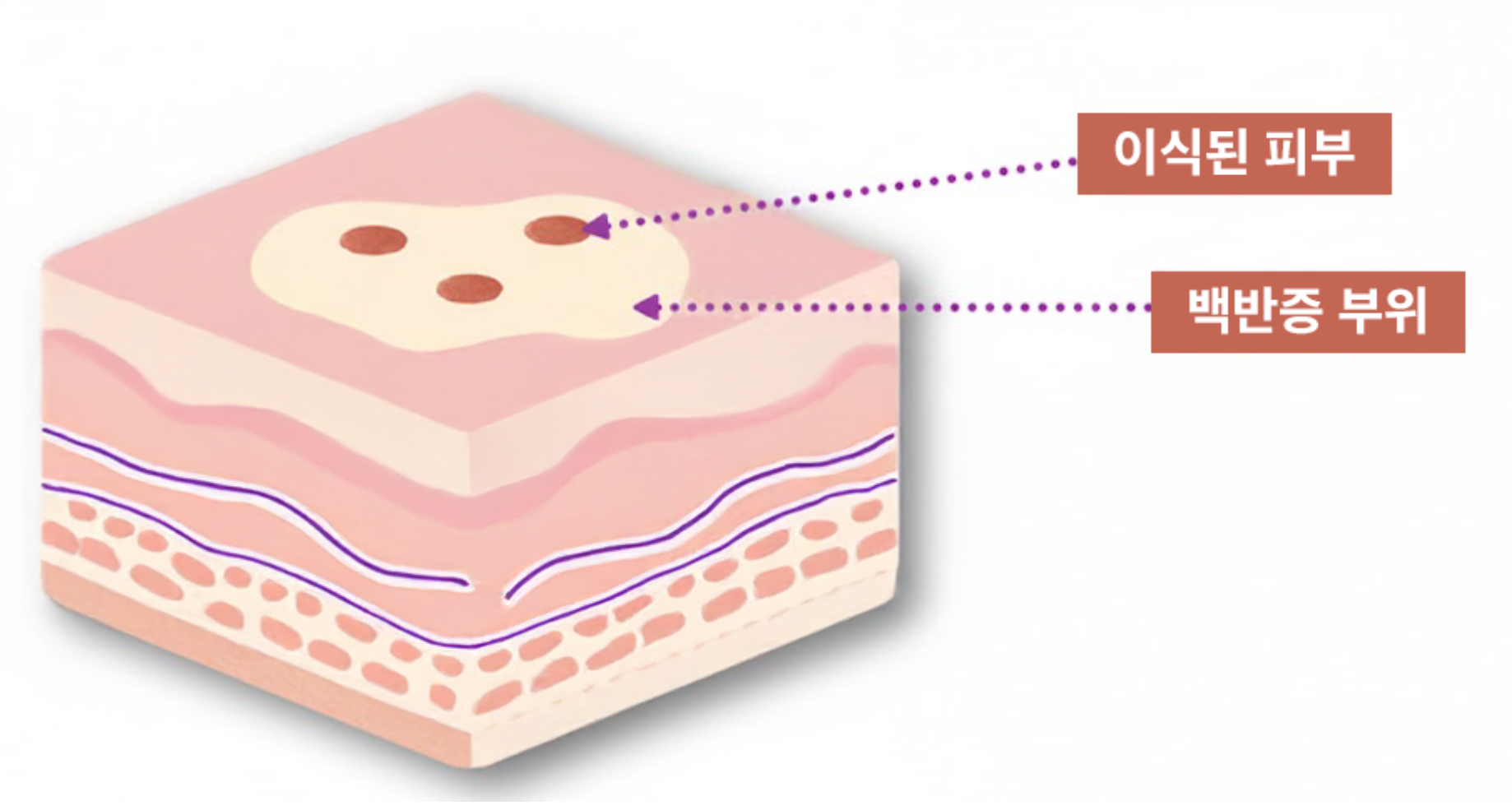
Next is grafting. Spaces of the same size are created in the vitiligo area, and the harvested normal skin is carefully transplanted one piece at a time.
-
The last is settling and spreading. The grafted normal skin takes root after about 2-3 weeks, and then slowly spreads to the surrounding area over 3-6 months, filling in the vitiligo area.
Why we combine Palas laser after grafting
Grafting alone is not the end. After SST grafting, the process of combining it with Palas laser treatment is important. It can be compared to giving water and sunlight after planting seeds.
Usually, about 2 weeks after grafting, pigment begins to appear like small dots. Adding Palas laser treatment from this point raises melanocyte activity and widens the range over which the color spreads, and recovery with smoothly connected borders has been reported. However, the speed and degree of recovery vary from person to person.
You can see how the Palas device is used in treating vitiligo and psoriasis in the story of introducing the Palas Premium laser and the Palas Premium device information.
In closing
- If there is almost no laser response after a stable phase of 6 months or more, it is time to consider grafting
- Leukotrichia, joint areas, and lesions that have completely lost their color are conditions in which grafting is likely to be effective
- Combining Palas laser after grafting has been reported to give a more natural recovery (individual results vary)
If you are curious why melanin and pigment behave differently depending on the layer, I also recommend reading the background to why pigment comes back even when only epidermal melanin is cleared.
With vitiligo, even with the same diagnosis, the direction varies greatly depending on the location of the lesions, whether they are in a stable phase, and the response to treatment. If you cannot decide whether to continue your current treatment or turn toward grafting, the first step is to look at your condition together.
Consult via chat
Author: Dr. Cho Mingyeol, Medical Director (board-certified dermatologist; Master Certification in Pigmentation, Acne, Rosacea and Hair from the Korean Dermatologists Association). You can find the full profile on the Medical Team page. First published 2026-02-06 / Last reviewed 2026-07-09
This article is intended for general information only; the appropriate treatment and outcomes may vary depending on each individual's condition.