

In lifting consultations, I often hear a similar story: "I have tried every trending lifting treatment, so why is my firmness still the same?" Ulthera and Thermage are both good devices, but if dullness and fine lines remain, there are times when the approach itself needs to change rather than adding yet another device.
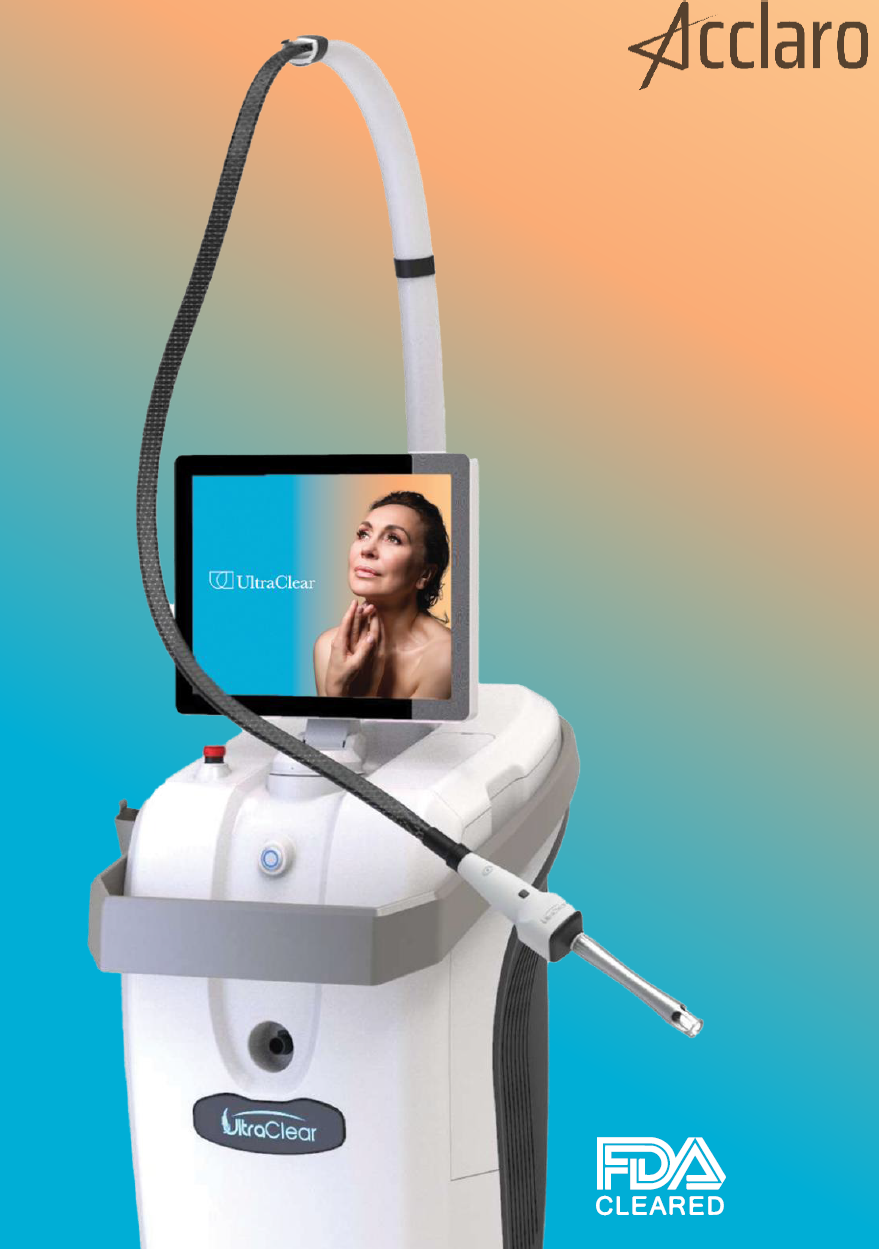
This post summarizes how tightening lifting (Thermage) and lifting that refines the worn surface (UltraClear) differ, and which of the two I recommend in the clinic.
Tightening lifting and refining lifting are different in nature
Devices such as Ulthera, Thermage and Shrink skip the epidermis and deliver energy to the dermis and the subcutaneous fat and fascial layers below it. They work by inducing collagen production and tightening and lifting the loosened layers. It is an approach that raises firmness while minimizing surface damage.
This is where the problem begins.
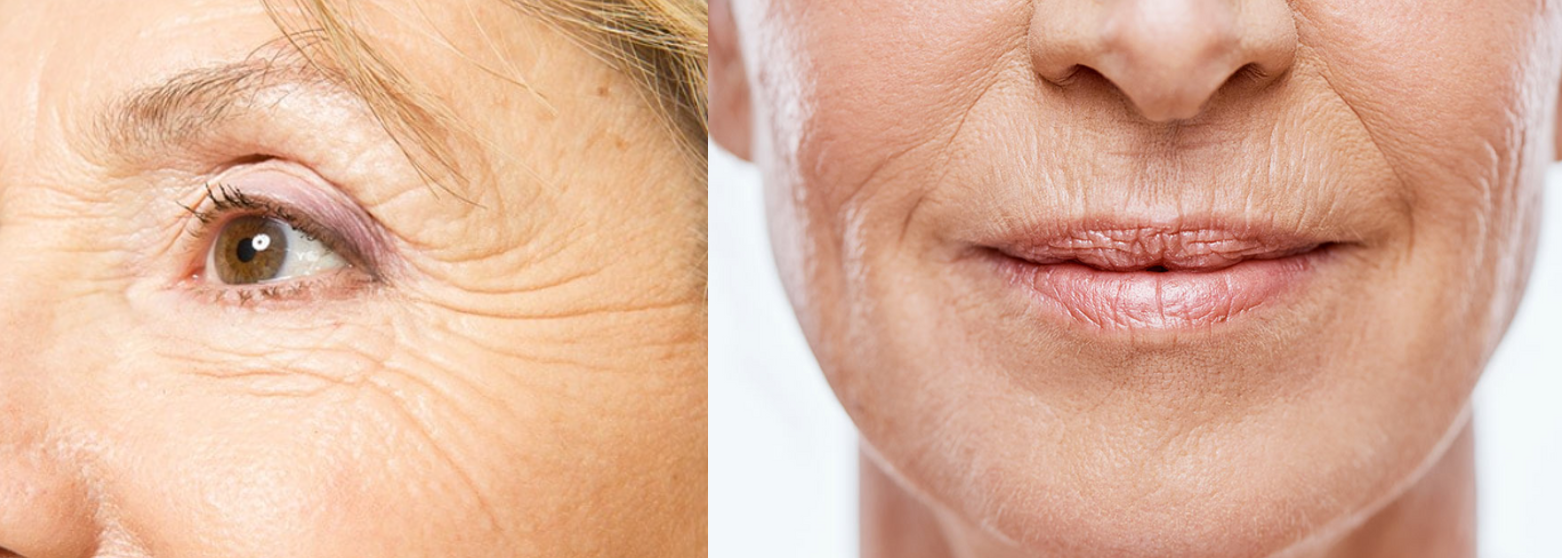
Why tightening alone is not enough for skin that has already lost firmness
In skin where aging has progressed considerably and much firmness has been lost, the range of change from minimal stimulation alone is limited. This is the point at which I began to consider another path for people who respond slowly even to radiofrequency such as Thermage FLX. It means going one step beyond tightening and lifting, and changing direction toward a "skin reset" concept that refines the worn surface itself anew.
If tightening is not enough, instead of pulling while leaving the old layer as it is, an approach that reorganizes the surface may be needed.
What is different about UltraClear
UltraClear is an erbium glass fiber laser with a wavelength of 2910 nm. The terms may be unfamiliar, but the key points can be summarized in three.
- A wavelength that responds well to water: About 70% of the skin is water. Because 2910 nm is a band with high water absorption, its energy tends to concentrate on the target tissue rather than scatter into the surroundings.
- A method that burns less: In the past, CO2 lasers produced more heat that burned the surrounding tissue than they ablated, so recovery was slow. UltraClear uses most of its energy for penetration and lowers the share devoted to coagulation, and it has been evaluated as reducing pain and downtime.
- Automatic pulse control: It fires thousands of times per second and adjusts the ablative pulses and coagulation pulses on its own. This is the background to the shorter procedure time and reduced discomfort.
Matching skin types with three modes
If skin types differ, the procedure should differ too. UltraClear is broadly divided into three modes.
- Clear mode (epidermis): Thinly refines the surface to even out texture and tone. Because of the clearer impression it gives, it is sometimes called the "wedding laser."
- Ultra mode (dermis): A mode weighted toward fine lines and scars, focused on dermal collagen regeneration.
- Coring mode (contraction): Targets deep wrinkles and deep scars, inducing contraction through thermal stimulation.
A comparison at a glance
| Category | Thermage family (radiofrequency) | UltraClear (laser) |
|---|---|---|
| Mode of action | Tightens the dermis and fascia to induce collagen | Refines the worn surface and induces regeneration |
| Good fit | Mainly sagging and loss of firmness | Accompanied by texture, fine lines, scars and dull tone |
| Recovery and downtime | Little surface damage, so return to daily life tends to be quick | Because it treats the surface, an initial care period is needed |
| Points to note | Limited range of change when the skin is very loose | For darker skin tones, settings account for the possibility of pigmentation |
So how do I recommend it in the clinic
To be honest, I am always cautious with lasers that treat the surface. In particular, Asian skin with darker tones sometimes retains pigmentation after a strong laser, so I set parameters conservatively. Even so, having looked at UltraClear's beam quality, recovery pattern and results, I judge that it can be applied relatively safely to Asian skin as well.
In summary: if you have seen satisfying changes with Thermage, it is better to continue with Thermage. If tightening alone is not enough, or if worn texture, pigmentation and scars are also concerns, UltraClear can be considered. Of course, UltraClear is not a device with only advantages either, and I plan to cover that separately. If you would like to first get an overview of lifting devices in general, referring to my post summarizing the types of lifting procedures, my post comparing Thermage and Ulthera and Density compared with Thermage will make it easier to set your direction.
If you are unsure whether your skin is the tightening type or the reset type, Check your skin condition first via chat
The exact mode and intensity depend on your skin condition, so I recommend first checking your condition through Consult via chat now about your lifting direction.
Author: Dr. Cho Mingyeol, Medical Director (board-certified dermatologist; Master Certification in Pigmentation, Acne, Rosacea and Hair from the Korean Dermatologists Association). You can find the full profile on the Medical Team page. First published 2026-01-30 / Last reviewed 2026-07-09
This article is intended for general information only; the appropriate procedure and outcomes may vary depending on each individual's skin condition. Please confirm an accurate diagnosis through an in-person consultation.