

In the clinic, I am very often asked, "Aren't fillers scary?" Ever since the term "filler phobia" began to circulate, many people who would benefit from filling areas that have lost volume have shelved the procedure in advance. Today I would like to talk about where exactly that worry comes from, and why I still explain fillers as one pillar of anti-aging.

To give you the conclusion first, much of the worry surrounding fillers stems not from the filler material itself but from misinformation or the results of procedures performed inappropriately. When guidelines are followed and the procedure is done by skilled hands, filler is a useful treatment material that safely replenishes lost volume.
What does anti-aging ultimately deal with?
There are two axes to why a face looks different with age. One is tightening, which makes the skin firm, and the other is volumizing, which redistributes volume that has hollowed out or sagged.
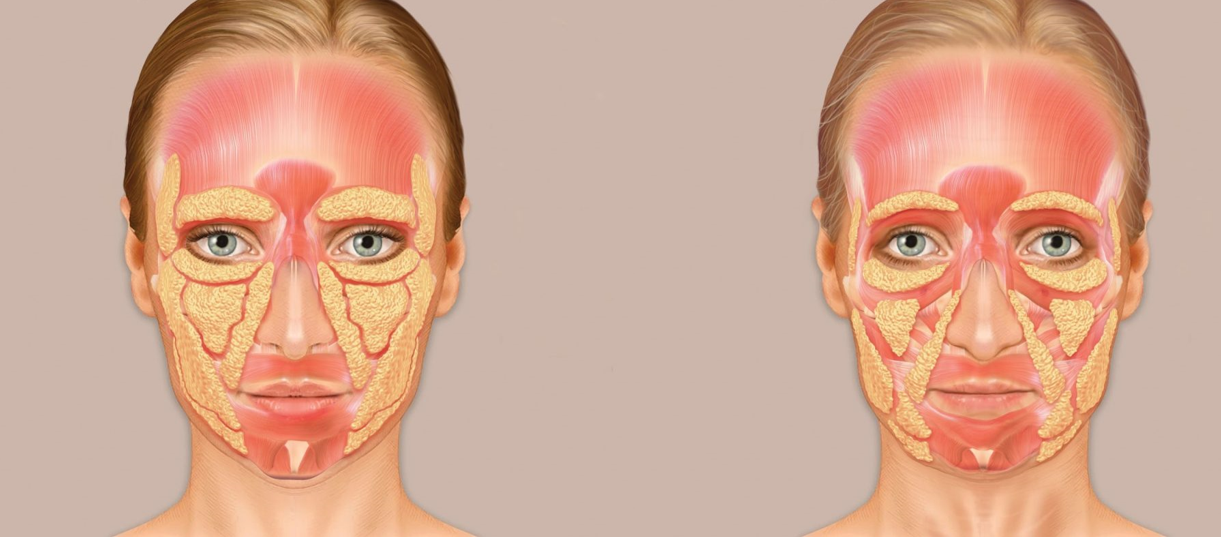
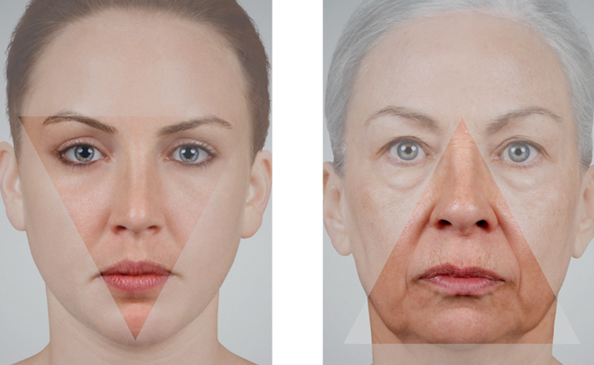
Simply put, if you firm up the skin, reduce sagging volume in the lower face, and replenish volume in the midface and upper face, the face takes on a noticeably more youthful impression. Adding volume is an element that is hard to leave out of anti-aging. Giving up this axis altogether because of filler phobia is, in my personal analogy, like playing janggi (Korean chess) after removing your chariots and cannons.
The tightening side, which firms the skin, is approached with lifting devices. If you are curious about the characteristics of each device, you may want to first read my post comparing various lifting devices side by side or my post summarizing the differences between Thermage and Ulthera. Today's post is about the other side: the axis of filling volume.
Another way to add volume is fat grafting. However, fat has a high absorption rate, making the final result hard to predict; the surgical process can be burdensome, and additional procedures may be needed. It may not be suitable for those who want a simple and relatively quick change.
Why hyaluronic acid fillers have long been trusted
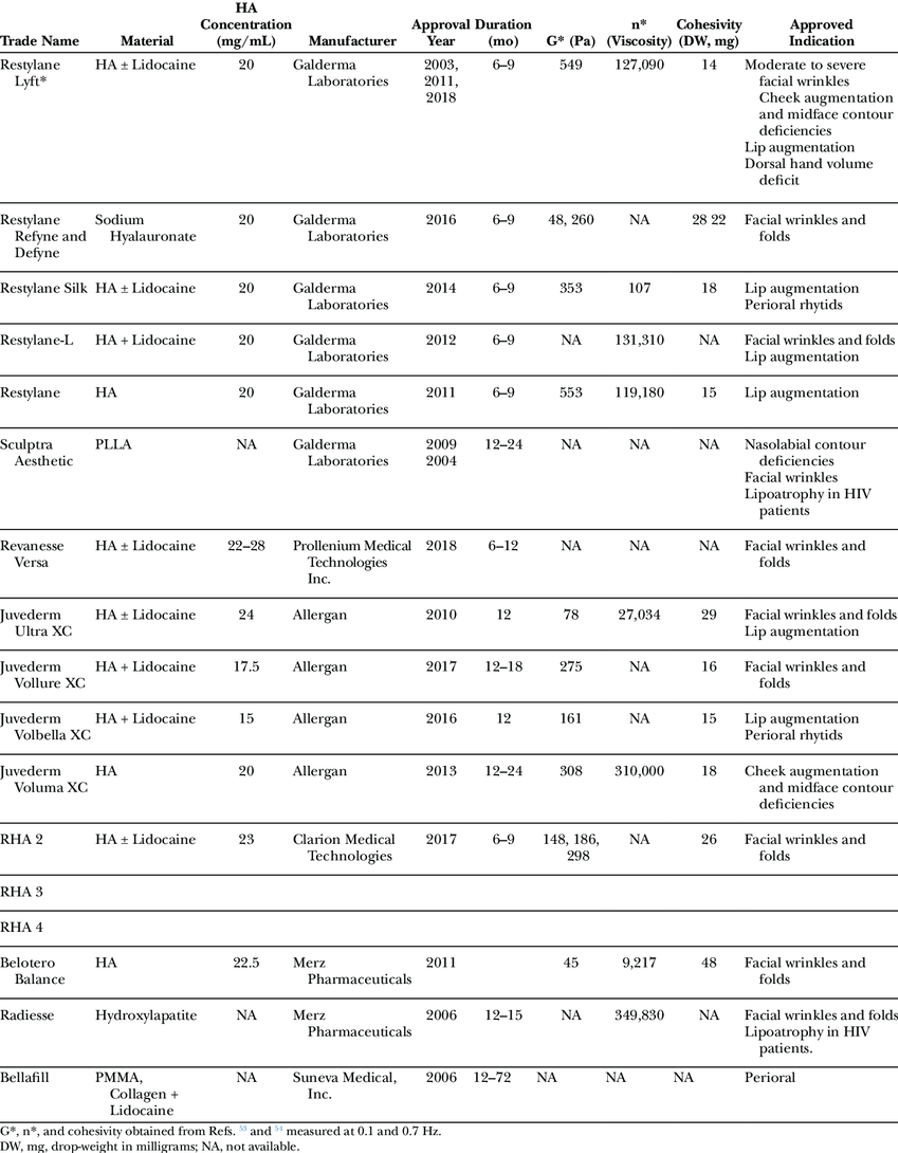
The most widely used filler today is the hyaluronic acid (HA) filler. Its safety and efficacy have been reviewed in numerous studies, and it has been approved by the FDA, which is known for its demanding review process.
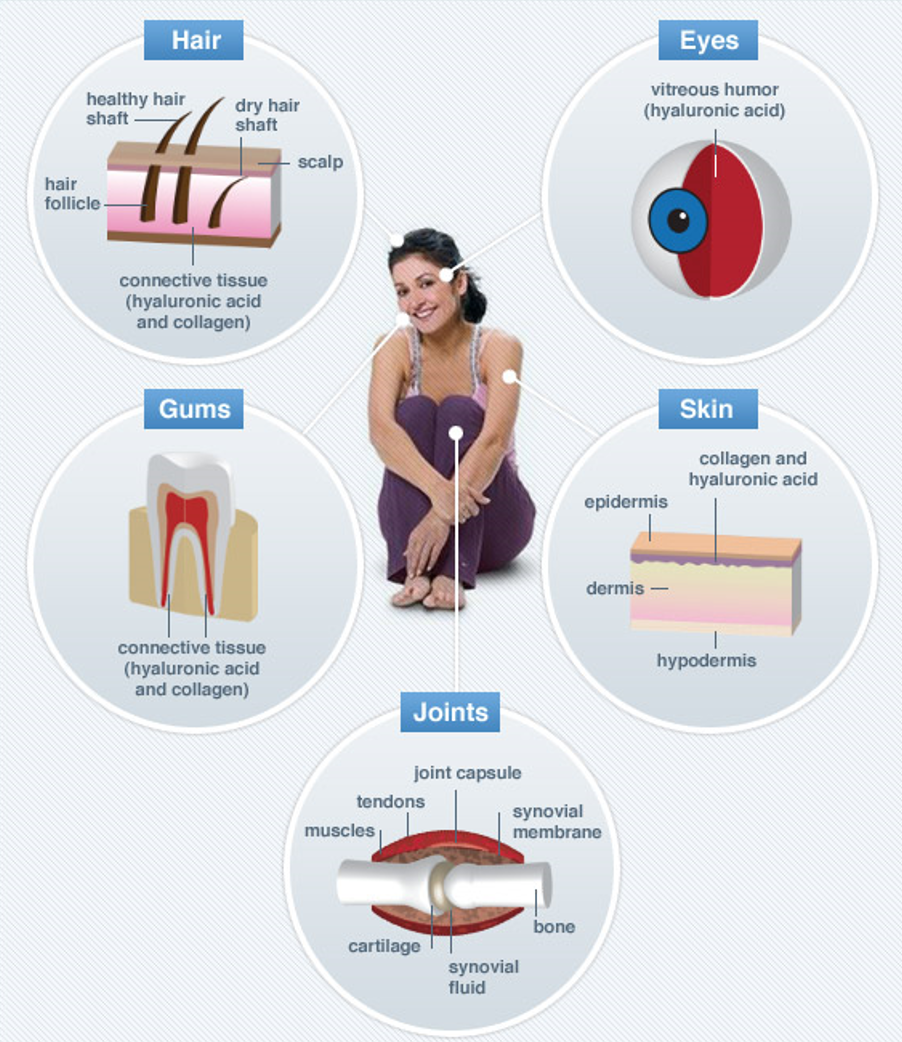
In fact, hyaluronic acid is a substance that naturally exists throughout our body, including the skin, joints and eyes. In the dermis in particular, it attracts and holds water, helping to keep the skin moist and supple.
The hyaluronic acid used in fillers is highly biocompatible with our body, and the risk of rejection or allergy is known to be very rare. So which ingredient, exactly, is supposed to be the problem?
So is there no ingredient to worry about?
HA fillers contain a very small amount of the cross-linking agent BDDE (1,4-Butanediol Diglycidyl Ether) to maintain their shape and longevity. BDDE is also a substance with FDA and CE approval, and residual amounts are controlled during manufacturing.
According to academic sources, delayed hypersensitivity reactions due to BDDE are reported at roughly 0.02% to 0.4%. That is about 2 to 40 people out of 10,000; there are individual differences, but it is not common. Above all, if you are not satisfied with the result, if it looks unnatural, or if a delayed hypersensitivity reaction occurs, an HA filler can be dissolved and reversed with an enzyme called hyaluronidase. This reversibility is one of the major safety features of hyaluronic acid fillers.
How do they differ from products that stimulate collagen?
Products such as Sculptra (PLLA) and Juvelook (PDLLA) work by inducing collagen production to improve skin elasticity. They are excellent for adding elasticity and a little volume, but their ability to directly fill hollow areas and define contours is limited compared with HA fillers. The two categories can be summarized as follows.
| Category | Hyaluronic acid filler | Collagen-stimulating products |
|---|---|---|
| Representative examples | HA filler | Sculptra, Juvelook |
| Mechanism | The injected volume directly fills | Adds elasticity by inducing collagen production |
| Volume filling | Advantageous for shaping right where injected | Limited direct filling power |
| Reversal | Can be adjusted by dissolving with an enzyme | Difficult to reverse immediately |
For this reason, when the goal is to fill hollow areas of the face and create natural contours, I tend to consider HA fillers first.
Some people feel that their filler has moved. When I examine them in the clinic, however, in a considerable number of cases the filler was injected in the wrong location from the start. This comes up especially often with the nasolabial folds, and it usually stems from the filler not being injected into the correct layer and position.
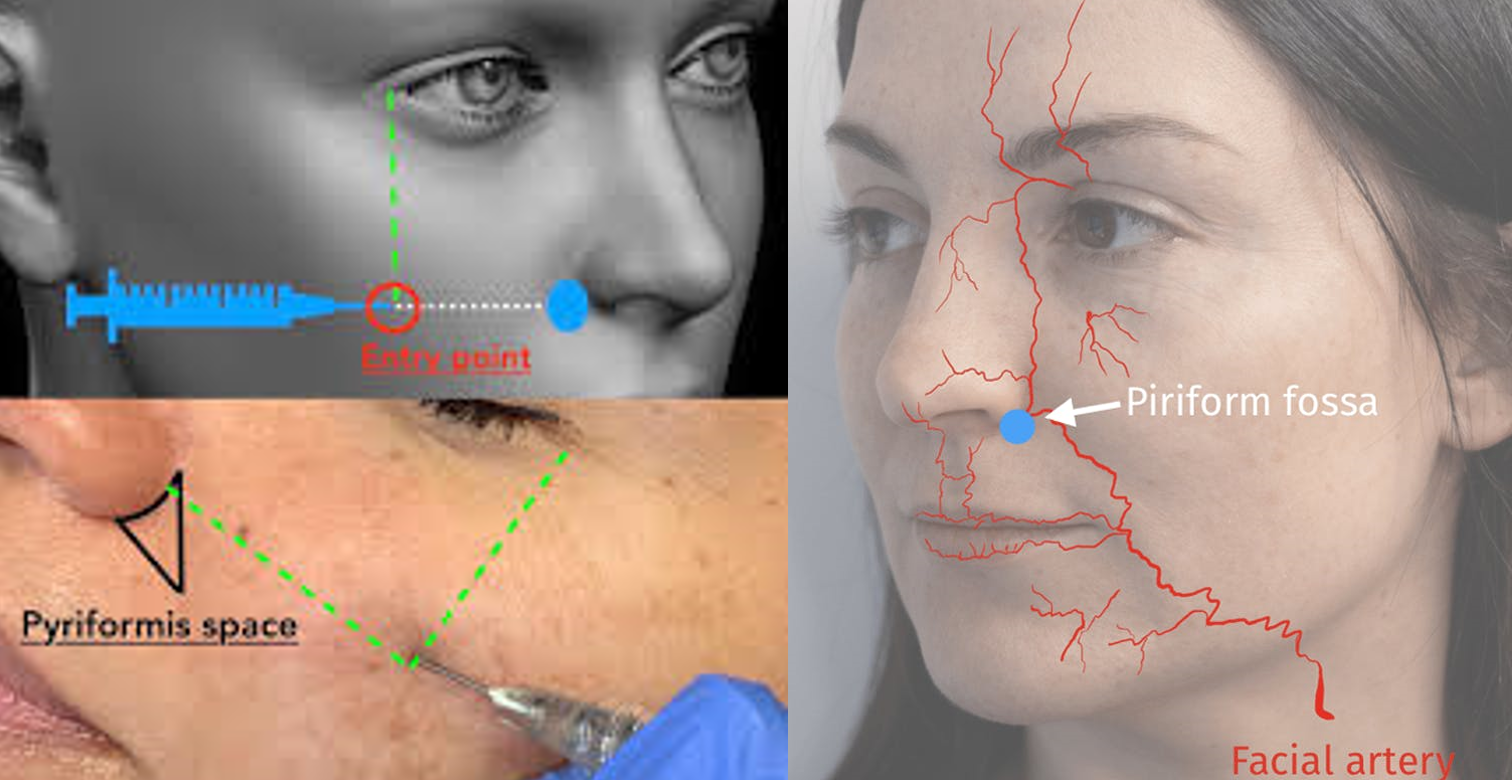
For reference, among the products we use for volume there are also options such as Radiesse, which combines volume with collagen stimulation. The choice of material depends on which area is being filled and for what purpose.
Is overfilled syndrome the filler's fault?
One of the representative concerns about fillers is overfilled syndrome, the unnaturalness that results from excessive injection. When volume is overfilled, the face can look awkward or unbalanced. However, this is less a problem of the filler material than a problem involving both the doctor who performed the procedure and the person who received it.
- The practitioner may have injected an excessive amount without sufficiently considering facial proportions and harmony.
- The person receiving the procedure may have had unrealistic expectations or requested excessive change.
- A good consultation looks at facial proportions, contours and skin condition together and suggests an appropriate amount for a natural result.
Just as salt itself is not to blame when food is too salty, the problem with fillers is not the material but an inappropriate procedure. I think the reason so many people fear fillers is, in the end, that they first encountered inappropriate results.
The moments when I recommend filler in the clinic
Let me add a candid story. I have long had a habit of raising my forehead to open my eyes, and because of that I had deep vertical wrinkles on my forehead. I corrected these wrinkles with HA filler and maintain them regularly, yet hardly anyone notices.
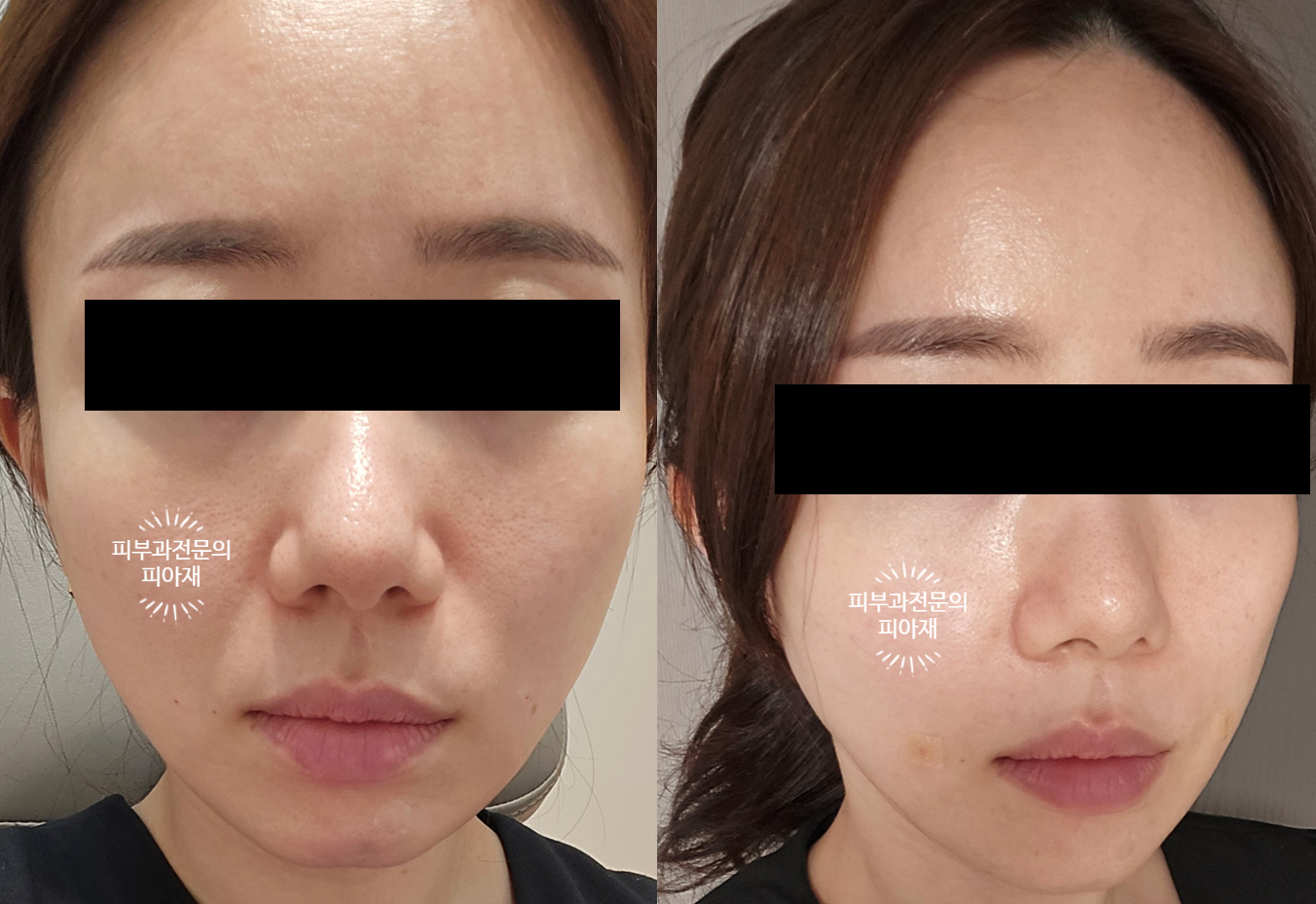
I also helped my wife, who was bothered by her nasolabial folds, with HA filler. When performed appropriately in the correct position like this, HA filler is a genuinely useful tool in anti-aging. I encourage you to set filler phobia aside for a moment and plan together which axis to fill and which axis to tighten. If you are curious about how to combine volume and tightening, the criteria for when I recommend Onda lifting alone and when in combination may also help.
Consult via chatAuthor: Dr. Cho Mingyeol, Medical Director (board-certified dermatologist; Master Certification in Pigmentation, Acne, Rosacea and Hair from the Korean Dermatologists Association). You can find the full profile on the Medical Team page. First published 2024-12-24 / Last reviewed 2026-07-09
This article is intended for general information only; the appropriate treatment and outcomes may vary depending on each individual's condition.